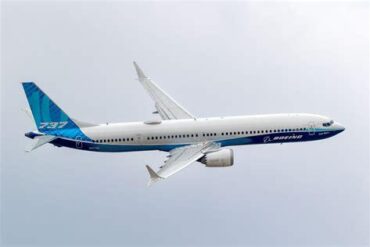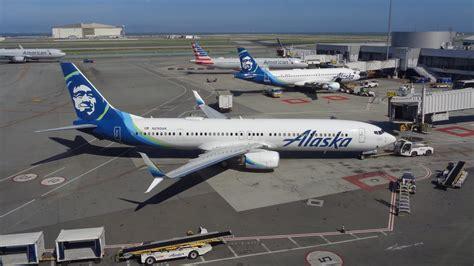
Alaska Airlines has taken a commanding step into the future with the announcement of a monumental fleet expansion that includes 110 new Boeing aircraft. This historic move not only represents the largest aircraft order in the carrier’s 92-year history, but also strategically reshapes its trajectory toward becoming a global aviation contender. The multi-billion-dollar agreement with Boeing underscores Alaska’s deep commitment to fleet modernization, fuel efficiency, and international expansion from its Seattle hub.
Historic Deal Solidifies Longstanding Boeing Partnership
Alaska Airlines’ latest aircraft purchase represents more than a strategic move—it is a statement of faith in Boeing. The two companies have shared a close relationship for over 60 years, dating back to Alaska’s acquisition of its first Boeing 727. With this new deal, Alaska cements that legacy, placing an order that includes 105 Boeing 737 MAX 10 aircraft and five Boeing 787-10 Dreamliners, along with options for 35 more MAX 10s.
CEO Ben Minicucci emphasized that this investment is key to the airline’s Alaska Accelerate strategic plan, a long-term blueprint for scalable growth. He noted, “These planes will fuel our expansion to more destinations across the globe and ensure our guests travel aboard the newest, most fuel-efficient and state-of-the-art aircraft.”
The 737 MAX 10: Backbone of Alaska’s Domestic Growth Strategy
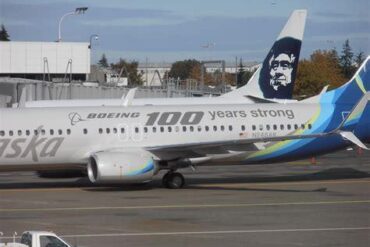
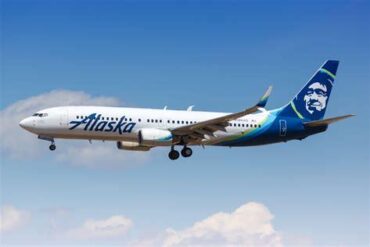
With 105 firm orders and 35 options, the 737 MAX 10 becomes the backbone of Alaska’s narrowbody strategy. These jets are tailored for high-density routes, offering more seats and improved fuel economy compared to previous-generation models. Alaska Airlines currently operates a fleet of 248 Boeing 737s, and this new order boosts their total 737 backlog to 174 additional aircraft.
The decision to focus on the 737 MAX 10 brings multiple benefits:
- Fleet Commonality: Streamlined training and maintenance processes
- Capacity Optimization: Ideal for high-traffic domestic routes
- Fuel Efficiency: Enhanced performance compared to older models
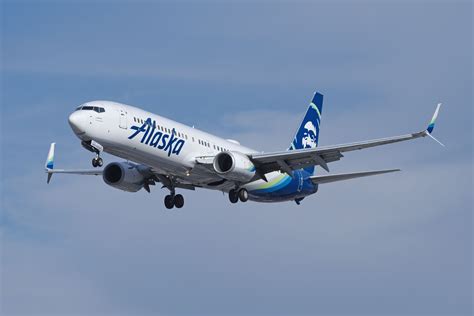
Although the exact seat layout for the MAX 10s is yet to be disclosed, industry expectations suggest a move toward premium-heavy configurations, in line with market trends. For context, Delta plans to install 182 seats on its MAX 10s, with robust premium class offerings—indicating Alaska may pursue a similar path.
The first deliveries are expected as early as next year, pending FAA certification of the MAX 10, which has been delayed due to an ongoing anti-icing system issue. Still, Alaska’s large-scale commitment suggests confidence in Boeing’s certification timeline and delivery capabilities.
Widebody Dreams: Expanding Long-Haul Capabilities with the 787-10
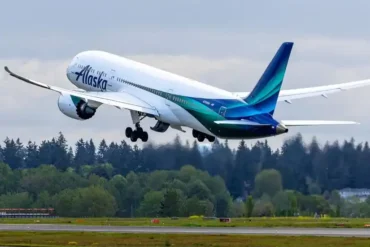
The widebody component of the order includes five Boeing 787-10 Dreamliners, bringing Alaska’s total 787 order to 12 aircraft, and future fleet size to 17. This marks a significant shift toward long-haul international markets, where Alaska previously had limited presence.
The 787-10, capable of carrying up to 330 passengers over 6,430 nautical miles, is optimized for transcontinental and transpacific missions. While its range is slightly less than the 787-9s, it provides greater passenger capacity—a clear sign that Alaska intends to enter competitive, high-volume routes.
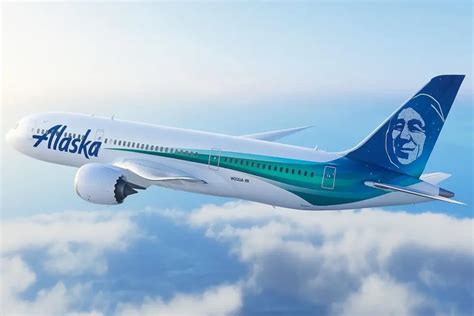
The airline’s first international leap will be a daily non-stop route from Seattle to London Heathrow, starting May 21, using a 787-9. With the 787-10s, Alaska is eyeing further expansion into Asia and Europe, with projections to operate at least 12 long-haul routes from Seattle by 2030.
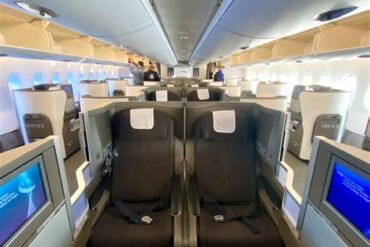
The choice of the larger variant also reflects Alaska’s desire to accommodate more premium seats, appealing to high-yield business travelers. This aligns with ongoing reconfigurations across the fleet that prioritize First Class and Premium Economy cabins.
Why This Expansion Matters for the Airline Industry
Alaska’s order lands at a crucial moment for both the airline and Boeing. For Boeing, it’s a significant vote of confidence amid production and regulatory hurdles. For Alaska, it positions the airline as a rising force in the competitive North American market.
Key Strategic Implications:
- Fuel Efficiency Goals: Newer aircraft will help reduce emissions and improve operational sustainability.
- Seattle as a Global Hub: Reinforces Alaska’s home base as a viable gateway to Europe and Asia.
- Competitive Advantage: Premium-heavy configurations and international routes boost Alaska’s appeal to higher-value segments.
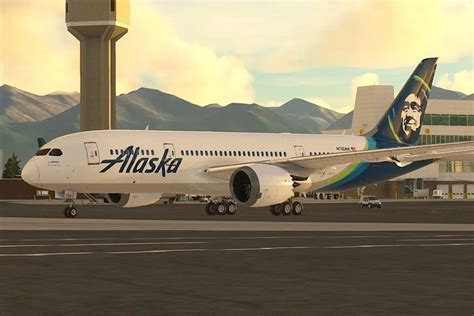
The move is also expected to generate operational synergies as the airline retires older models and transitions to a more uniform fleet. This simplifies crew scheduling, training, and logistics—a major cost saver in an industry known for tight margins.
Future Fleet Composition and Timeline
Here’s a snapshot of Alaska Airlines’ evolving Boeing fleet, based on current operations and orders:
| Aircraft Type | In Service | On Order | Estimated Seats |
|---|---|---|---|
| 737-700 | 14 | 0 | 124 |
| 737-800 | 61 | 0 | 161 |
| 737-900ER | 79 | 0 | 161 |
| 737 MAX 8 | 14 | 6 | 178 |
| 737 MAX 9 | 80 | 0 | 178 |
| 737 MAX 10 | 0 | 168 | TBD |
| 787-9/10 | 5 | 12 | 296–330 |
By 2035, Alaska Airlines anticipates a total fleet of over 550 aircraft, with a modern, standardized makeup that supports its domestic dominance and international ambitions.
Conclusion: A Bold Bet on the Future of Flight
Alaska Airlines’ 110-aircraft order sends a clear message to the aviation world: it’s ready to compete on a global stage. The commitment to next-generation narrowbody and widebody aircraft demonstrates a precise understanding of market dynamics and an agile approach to long-term growth.
By banking on Boeing and modernizing its fleet, Alaska is crafting an identity far beyond its regional roots. With sustainability, premium service, and international connectivity at its core, the airline’s transformation promises to reshape air travel across the Pacific and beyond.
The skies over Seattle are getting crowded—but Alaska Airlines is betting it will lead the pack.