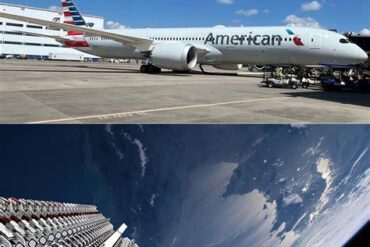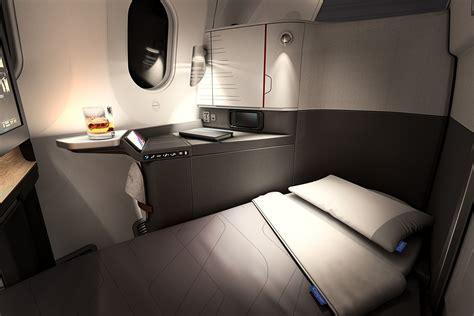
American Airlines is preparing to redefine its premium travel strategy with the highly anticipated debut of its new Boeing 787-9 Dreamliner, set to take flight on June 5, 2025, from key hubs such as Dallas/Fort Worth (DFW). This marks a major departure from its past cost-cutting image, signaling a decisive return to high-end service across its international network. As part of this pivot, American Airlines is expected to announce a wave of premium upgrades, both in terms of onboard experience and long-term fleet strategy, aiming to secure its position among global full-service carriers in the post-pandemic era.
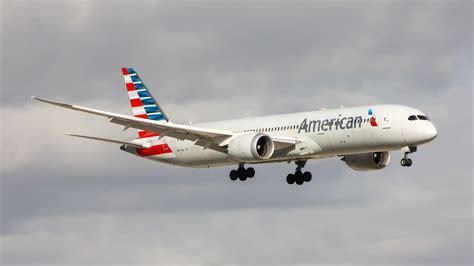
A New Era of Premium Experience: The Boeing 787-9 Debut
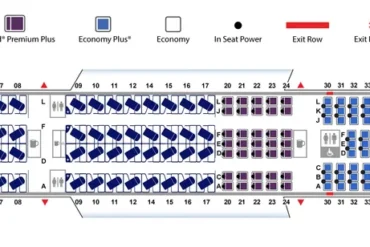
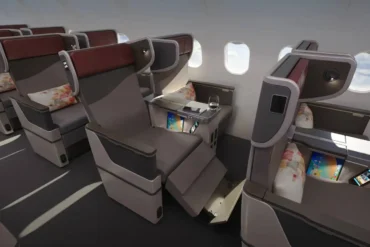
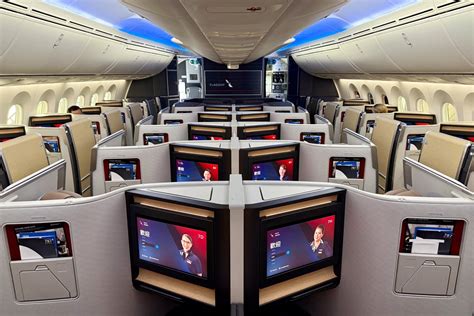
The launch of the 787-9 Dreamliner will serve as the cornerstone of American’s new premium identity. This aircraft will feature all-new Flagship Suite® business class seats, complete with sliding privacy doors, lie-flat functionality, and personal storage compartments. In premium economy, passengers can expect wider recliner seats with enhanced legroom, upgraded meal services, and amenity kits comparable to those in higher-tier cabins on competing airlines.
American’s renewed focus on luxury seating comes as it distances itself from past practices that emphasized low-cost operations. Industry insiders view the 787-9 rollout not merely as a new aircraft introduction, but as a symbol of American Airlines’ strategic reset — one aligned with the growing demand for comfort and exclusivity.
Seatback Screens Return: A Reversal of 2017 Strategy
In 2017, American Airlines made a controversial move by removing seatback entertainment screens from its narrowbody fleet, claiming passengers preferred streaming to their devices. Today, that decision appears to be reversed. The new 787-9, along with upcoming aircraft retrofits, will reintroduce high-resolution seatback screens, enhancing the passenger experience in all cabins.
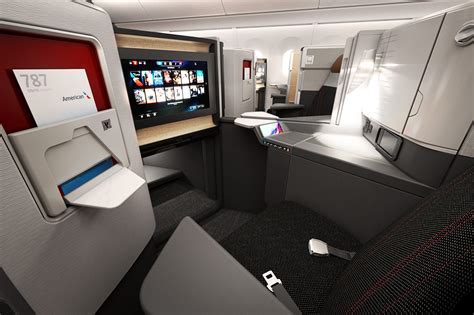
This return follows the lead of rivals Delta Air Lines, United Airlines, and JetBlue, all of which doubled down on in-seat entertainment in response to customer feedback. Moreover, American Airlines is reportedly developing a next-generation inflight entertainment interface — faster, more responsive, and with personalized user profiles — scheduled to debut in 2026.
Expanding Main Cabin Extra and Elevating Tech Offerings
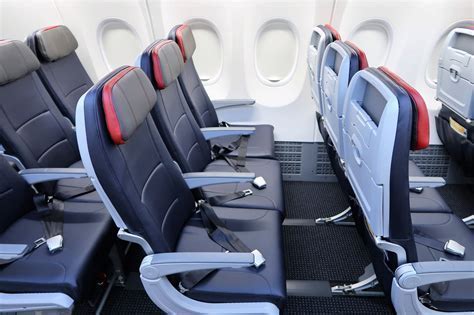
Recognizing the financial value of Main Cabin Extra (MCE) seating among frequent flyers and corporate travelers, American is poised to expand this premium economy-lite section across more aircraft. The strategy involves converting some rows of standard economy into extra-legroom MCE seats, providing a semi-premium experience without the cost of a business-class ticket.
The new aircraft deliveries — including the 787-9 — will also come equipped with USB-C charging ports at every seat, aligning with modern device requirements and supporting a tech-centric passenger journey. This is a notable upgrade over the legacy USB-A systems still present on many jets.
Subtle But Effective Soft Product Enhancements
Beyond hardware, American Airlines is introducing soft product improvements that further elevate the onboard atmosphere. Passengers in premium cabins now retain noise-cancelling headsets until landing, a subtle change that underscores the airline’s attention to comfort. Enhanced meal offerings and more responsive crew interactions, particularly on widebody aircraft, reflect a renewed emphasis on service quality.
There’s also an internal conversation underway about increasing flight attendant staffing on long-haul flights, especially aboard the 787-9 and Boeing 777-200. Though not yet mandated, the proposal would allow crew members to deliver a more personalized, attentive service experience.
American Airlines Eyes New Widebody Order
Perhaps the most strategic move on the horizon is a potential new widebody aircraft order. Sources suggest American Airlines is considering replacing its aging Boeing 777-200 fleet with a large batch of Boeing 787-10s, a model known for its fuel efficiency, longer fuselage, and spacious interiors.
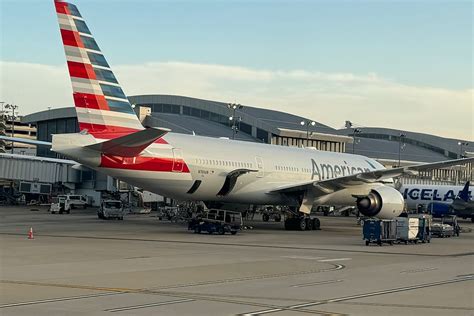
While these fleet talks remain preliminary, Boeing is likely offering highly competitive terms as it seeks to maintain dominance in the widebody market amid increasing pressure from Airbus A350 offerings. A new order would not only modernize American’s fleet but also reinforce its premium service consistency across long-haul routes to Europe, Asia, and South America.
Competitive Market Demands Premium Consistency
The airline’s new premium strategy mirrors a broader shift in the post-pandemic market, where passengers are increasingly willing to pay for comfort and reliability. While ultra-low-cost carriers (ULCCs) gained significant ground over the last decade, today’s travel environment prioritizes in-flight experience and seamless connectivity, particularly among business travelers and high-frequency fliers.
American Airlines, with its high operational costs and expansive network, must capture a greater share of premium revenue to remain competitive. This means not only matching the offerings of legacy U.S. rivals but also rising to the standards set by international carriers like British Airways, Qatar Airways, and Singapore Airlines.
Lounges, Connectivity, and Ground Experience
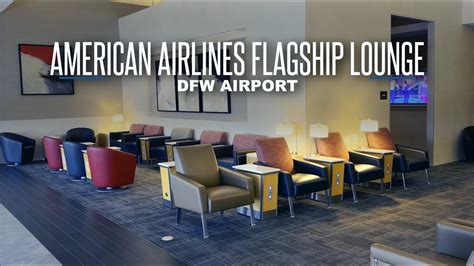
On the ground, American’s Flagship Lounge at Philadelphia (PHL) is now seen as the blueprint for future lounge concepts. Featuring à la carte dining, spa-style showers, and workspace pods, it complements the airline’s premium ambitions.
Connectivity is also getting an overhaul. While the rollout is gradual, American Airlines has committed to offering complimentary Wi-Fi by 2026 — a move that closes the gap with competitors like JetBlue and cements AA’s place in the modern travel ecosystem.
A Strategic Pivot with Global Implications
Taken together, these changes represent more than cosmetic improvements. They mark a profound reorientation of American Airlines’ brand identity. The transition from a hybrid low-cost/full-service model to a clearly defined premium carrier is both timely and necessary, given shifting traveler expectations and rising international competition.
The debut of the 787-9, enhanced cabin products, reintroduction of in-seat entertainment, and potential widebody aircraft orders all signal that American Airlines is making a long-term bet on quality over quantity. It is no longer enough to be the largest airline in the world; the post-pandemic future demands that it also be among the best.
Looking Ahead: June 5 and Beyond
As the inaugural flight of the 787-9 approaches, all eyes are on American Airlines’ next official announcement, widely expected to confirm many of the rumored enhancements and fleet decisions. What was once a carrier at risk of being outpaced by rivals is now positioning itself to lead — not just in size, but in service.
In the months ahead, passengers will begin to see the results of this transformation: more comfortable cabins, tech-friendly upgrades, and a level of attention to detail that redefines what flying American Airlines means. If these ambitions are fully realized, American Airlines may finally close the gap between legacy prestige and modern performance.