Turkish Airlines is preparing for a significant transformation of its long-haul passenger experience, with plans to reintroduce a premium economy cabin on widebody aircraft beginning in 2028. The initiative forms a central pillar of the carrier’s ambitious long-term growth strategy, which aims to expand the fleet beyond 800 aircraft by 2033, dramatically increase annual revenues, and strengthen its position as one of the world’s leading global network airlines.
Despite geopolitical uncertainty in the Middle East, fluctuating fuel prices, and evolving passenger travel patterns, Turkish Airlines remains firmly committed to its expansion roadmap. Under the leadership of CEO Ahmet Olmuştur, the airline intends to maintain its existing widebody and cargo fleet objectives while continuing to broaden its route network to nearly 350 destinations worldwide.
The decision to bring back premium economy reflects a broader industry-wide shift toward higher-yield travel products. Across global aviation markets, airlines are increasingly investing in enhanced cabin experiences as travelers demonstrate a growing willingness to pay extra for additional comfort, privacy, and personal space on long-haul flights.
By reintroducing premium economy, Turkish Airlines is positioning itself to capture this lucrative demand segment while further elevating its already extensive international offering.
Turkish Airlines’ Premium Strategy Extends Beyond Business Class
The premium economy relaunch is part of a much larger fleet modernization and product enhancement strategy designed to elevate the airline’s premium credentials.
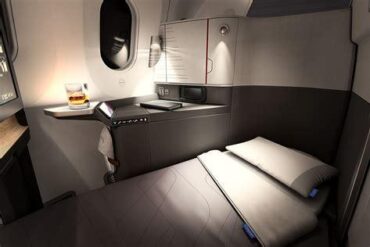
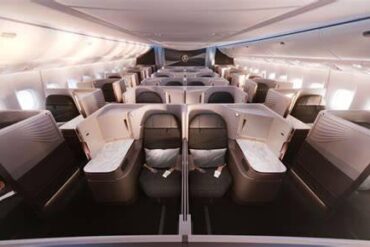
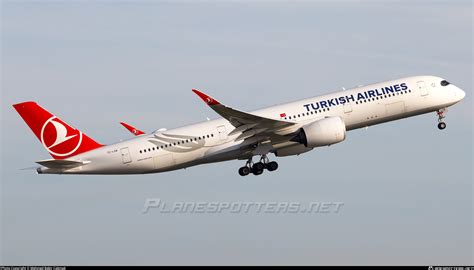
Leading this transformation is the introduction of Turkish Airlines’ new Crystal Business Class suite, scheduled to debut aboard the carrier’s Airbus A350 fleet in early 2027. The fully enclosed suite represents a major leap forward in passenger privacy and premium comfort, placing Turkish Airlines in direct competition with some of the world’s most highly regarded business-class products.
The airline also plans to retrofit its existing Boeing 777 fleet with the new premium cabins, ensuring greater consistency across long-haul operations. At the same time, executives expect overall seating capacity per aircraft to rise by more than 12%, while Business Class capacity itself is projected to increase by at least 10%.
This simultaneous expansion of both premium seating and overall capacity underscores Turkish Airlines’ confidence in sustained international travel demand, particularly on intercontinental routes connecting Europe, Asia, Africa, and the Americas through its Istanbul hub.
Why Premium Economy Makes More Sense Today Than Ever Before
Turkish Airlines previously experimented with premium economy through its now-defunct Comfort Class, which operated between 2010 and 2013. Although the product itself received positive reviews for seat comfort and additional legroom, the rollout ultimately proved unsuccessful.
A major challenge stemmed from inconsistency. Only a limited number of aircraft featured Comfort Class, creating confusion and disappointment among connecting passengers when aircraft substitutions occurred. Travelers could not reliably expect the same onboard experience across the network.
Today’s environment is markedly different.
The post-pandemic aviation market has witnessed an unprecedented surge in demand for premium leisure travel. Many passengers who previously booked standard economy are increasingly willing to spend more for improved comfort on flights lasting eight hours or longer.
According to Turkish Airlines’ internal research, approximately two-thirds of long-haul passengers are willing to pay a premium for enhanced legroom and comfort. Such findings make the business case for premium economy considerably stronger than it was more than a decade ago.
Furthermore, Istanbul’s strategic geographic location provides a unique competitive advantage. Operating from Istanbul Airport, Turkish Airlines can reach approximately half of the world’s population within a relatively efficient flying radius, enabling the carrier to adapt quickly to geopolitical disruptions while maintaining network connectivity.
What Could the New Turkish Airlines Premium Economy Look Like?
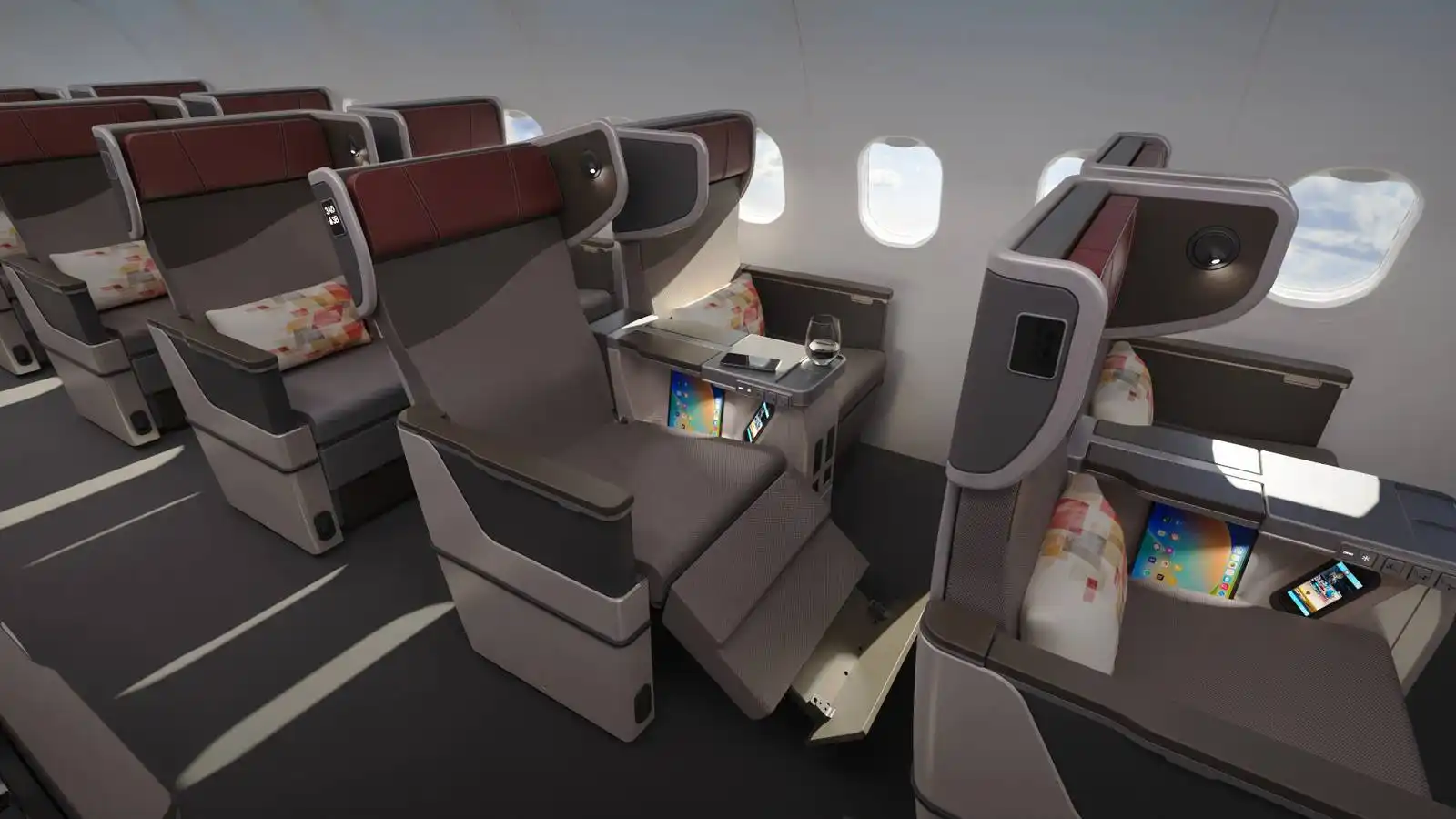
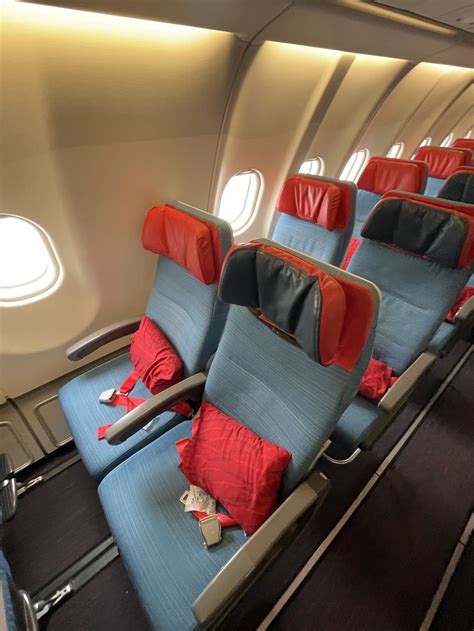
Although final specifications have yet to be announced, industry observers expect the new premium economy product to differ substantially from the former Comfort Class configuration.
The original cabin featured 63 premium economy seats compared with only 28 business-class seats, creating an unusual balance that diverged from industry norms. Most international airlines typically offer significantly fewer premium economy seats than business-class accommodations.
The upcoming cabin is expected to adopt a more conventional layout, with a smaller premium economy section positioned between economy and an expanded business-class cabin.
Passengers can reasonably anticipate several enhancements, including:
- Greater seat pitch and legroom
- Enhanced recline functionality
- Adjustable headrests and leg supports
- Improved in-flight entertainment systems
- Integrated power and device charging options
- Additional privacy features and upgraded finishes
Turkish Airlines may also leverage its close relationship with TCI Aircraft Interiors, a company in which the airline is a key stakeholder. TCI manufactures advanced seating products, including the Royalux seat platform, specifically designed for premium applications on both narrowbody and widebody aircraft.
The involvement of TCI could allow Turkish Airlines to develop a highly customized premium economy experience tailored to its global brand identity.
Airbus A350-1000 and Boeing 787 Orders Will Drive the Rollout
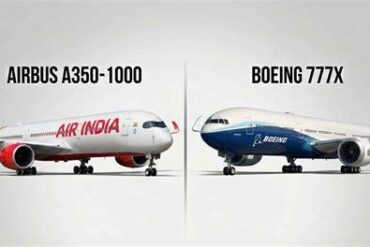
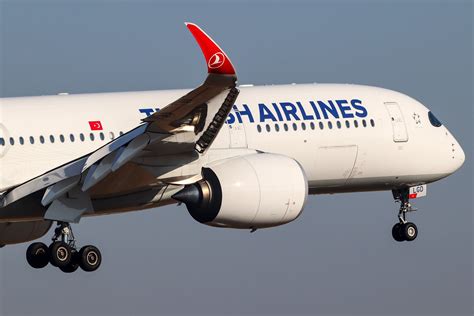
The most likely aircraft to debut Turkish Airlines’ new premium economy cabin is the Airbus A350-1000.
Deliveries of the stretched widebody are expected to begin during the second half of 2027, with as many as 15 aircraft entering service by 2030. These jets provide an ideal platform for introducing new-generation cabin products thanks to their spacious interiors and operational efficiency.
Beyond the A350-1000, Turkish Airlines also maintains one of the industry’s most substantial future widebody order books.
The carrier currently holds firm commitments for:
- 35 Boeing 787-9 Dreamliners
- 15 Boeing 787-10 Dreamliners
- Options for an additional 25 Boeing 787 aircraft
Deliveries are scheduled between 2029 and 2034, ensuring that premium economy can be deployed consistently across a rapidly expanding long-haul fleet.
Combined with significant future Boeing 737 MAX deliveries, Turkish Airlines is effectively preparing to double the size of its Boeing fleet over the coming decade.
A Second Attempt Built for Long-Term Success
Unlike the airline’s first premium economy experiment, the forthcoming relaunch is expected to benefit from a network-wide, standardized implementation strategy supported by newly delivered aircraft rather than limited retrofits.
Consistency will likely be the defining factor behind the cabin’s success. By ensuring passengers receive the same premium economy experience across major long-haul routes, Turkish Airlines can avoid many of the operational challenges that undermined Comfort Class.
As global demand for premium travel continues to rise, Turkish Airlines appears determined to ensure that its next premium economy offering becomes a permanent and profitable fixture of its rapidly expanding international network.