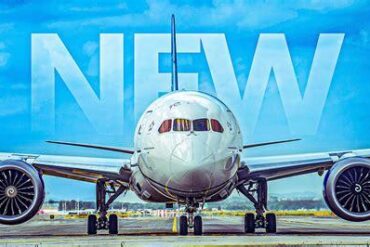
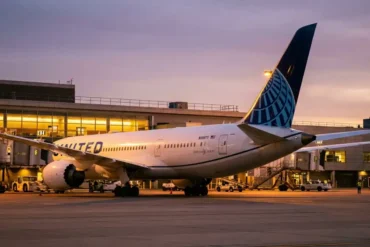
United Airlines has rolled out a bold reconfiguration of its Boeing 787-9 Dreamliner seat map, signaling a decisive shift in its long-haul strategy. The new layout prioritizes premium cabins over economy seating, sparking extensive discussion among frequent flyers, aviation analysts, and frontline crew. With more space allocated to Polaris business, Premium Plus, and a mysterious new “Studio” seat, United appears to be leaning heavily into the lucrative high-yield traveler segment.
Premium Overload: The Reimagined Cabin Breakdown
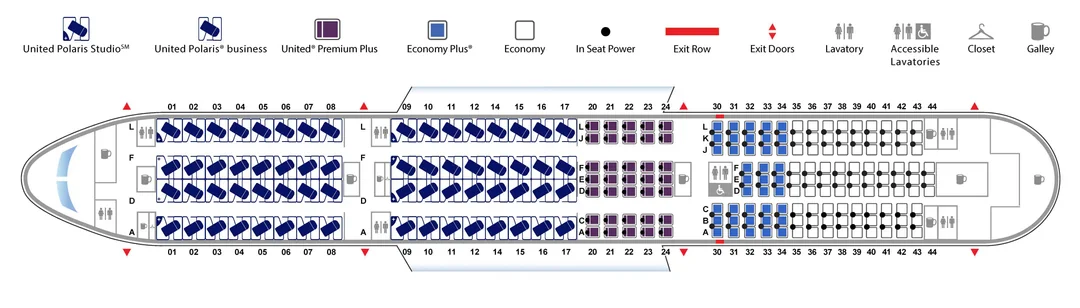
At the heart of United’s new 787-9 configuration is a clear recalibration toward premium experiences. While the Dreamliner previously maintained a relatively balanced seating mix, this revised layout now features:
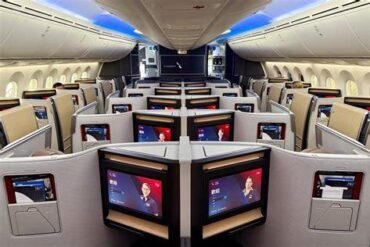
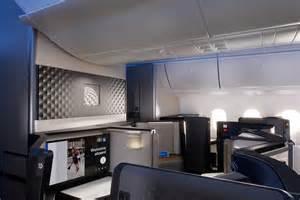
- 51 Polaris Business Class seats in a staggered herringbone configuration
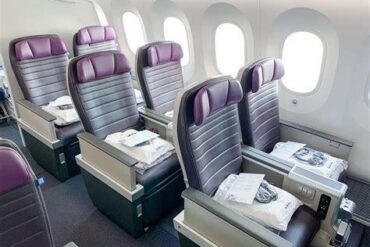
- 32 Premium Plus (premium economy) seats with increased pitch and width
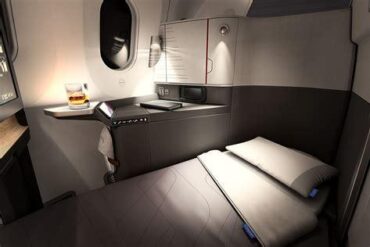
- 2 Studio-style luxury pods directly behind Polaris
- 136 Economy seats, including 54 Economy Plus seats with extra legroom
The addition of the Studio seat, reportedly a spacious pod positioned near the front of the aircraft, has drawn particular curiosity. Its layout evokes comparisons with Lufthansa’s “Throne” or ottoman-style seats, which are favored by solo travelers. Its proximity to the galley and crew rest area, however, may come with increased foot traffic and noise, raising questions about overall comfort.
Erosion of Economy: A Shift in Priorities
Perhaps the most controversial aspect of the redesign is the shrinking of the economy cabin. Critics argue this reaffirms a growing trend in global aviation—economy class is becoming an afterthought. United’s layout has reduced economy to a fraction of the cabin, prompting accusations that the airline is catering almost exclusively to premium-paying passengers.
Frequent flyers on Reddit and FlyerTalk expressed concern that economy is now a “charity case,” a term that’s rapidly gaining traction. The removal of bulkhead seating in economy has also prompted speculation over decreased foot room and personal space, particularly on long-haul segments such as San Francisco–Singapore (SFO–SIN) and San Francisco–London Heathrow (SFO–LHR), which are among the first routes slated for the new configuration.
Elite Status, Access, and Tiers: What’s Changing?
The airline’s loyalty program rules for Economy Plus (E+) remain unchanged, at least for now. Premier Gold members can still book Economy Plus at the time of reservation, while Premier Silver members must wait until check-in. However, insiders caution that increased spending thresholds for elite qualification may reduce the number of members eligible for complimentary upgrades.
Some speculate that these higher spend thresholds are part of a broader strategy to reduce Economy Plus saturation—ensuring those seats remain appealing, high-value inventory for corporate clients and high-yield travelers. Yet this could simultaneously alienate lower-tier MileagePlus members who are finding fewer perks worth pursuing.
Crew Impact and Service Ratios: A Ticking Clock?
While the cabin is getting a luxury overhaul, the number of flight attendants will reportedly remain unchanged. This has led to anxiety among United cabin crew members, who warn that more premium seats without additional staffing will reduce service quality.
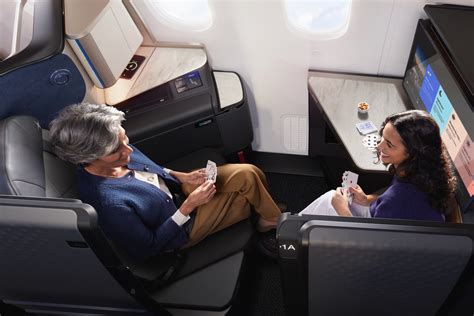
The Polaris cabin is expected to feature both forward-facing and reverse-facing herringbone seats, an attempt to balance preferences for solo privacy and companion travel. However, these mixed orientations may add to service complexity, as crew must navigate irregular paths and customized service requests.
Lavatories and Load: A Functional Tradeoff
Another practical concern lies in the lavatory-to-passenger ratio, especially in economy. While Polaris and Premium Plus passengers benefit from dedicated lavatories located near the front and mid-cabin, economy passengers—who now make up a smaller yet still significant part of the load—must share fewer bathrooms.
The removal of bulkhead seats, often popular for extra legroom and family travel, further compounds the issue. The overall space economy in coach class appears increasingly compromised, reinforcing the notion that United is deprioritizing this customer segment.
Empty Seats, Full Premium: Anecdotal Evidence Grows
Reports from transpacific and European routes indicate an emerging pattern: Economy cabins fly half-empty, while Polaris and Premium Plus sections are frequently sold out. This points to a demand-driven strategy that could yield significant revenue per seat kilometer (RPSK), especially on business-heavy routes.
Yet this trend also highlights a stark disparity. Upgrade costs to Polaris on competitors like Lufthansa have already soared, and United’s pricing may follow suit, turning aspirational seats into out-of-reach luxuries for all but the most elite.
A Strategic Gamble on Route Deployment
United has chosen its San Francisco–Singapore (SFO–SIN) and San Francisco–London Heathrow (SFO–LHR) routes for initial deployment. These flights are known for strong business-class demand and limited competition with comparable cabin products.
Both markets are also home to major tech and financial hubs—sectors with a demonstrated willingness to pay for premium travel. This makes them ideal proving grounds for a premium-heavy aircraft, and success here may influence further fleet-wide retrofits.
Competitive Implications: Lufthansa, Delta, and the Rest
United’s decision to introduce a high-premium layout echoes similar trends seen with Lufthansa, which has made substantial investments in its new Allegris cabins, and Delta, whose Delta One suites are similarly geared toward business travelers. The difference is that United seems to be adopting a more aggressive ratio of premium-to-economy seating.
If successful, this strategy could set a new standard across the Star Alliance and beyond, pressuring other carriers to shrink their economy cabins and double down on luxury. Alternatively, it could backfire if high-end demand softens or if passengers push back against rising fares and declining benefits in coach.
Conclusion: A High-Risk, High-Yield Vision for the Skies
United’s reimagined Boeing 787-9 seat map reflects a calculated business move rather than a passenger comfort initiative. The airline is betting that premium demand will continue to grow, driven by corporate travel rebounds and affluent leisure flyers.
However, this pivot comes with considerable risks. The elimination of economy perks, static crew levels, and reduced cabin flexibility may alienate loyal budget-conscious travelers. And while the Polaris experience continues to impress, it’s unclear if this model is sustainable across all international markets.
In the end, United Airlines is not merely reshuffling seats—it is reshaping its entire long-haul value proposition. Whether this evolution defines the next era of transoceanic air travel or stumbles under the weight of over-optimization will depend largely on customer sentiment and macroeconomic resilience.