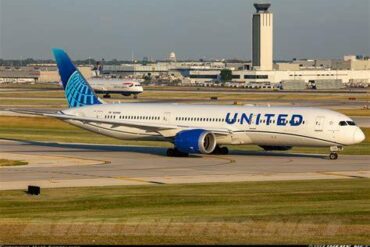
United Airlines is on the cusp of a meaningful fleet milestone as it prepares to receive its first premium-heavy Boeing 787-9 within weeks. The aircraft, registered N61101, is scheduled for delivery in February, with commercial entry targeted for March, marking the beginning of a new long-haul subfleet designed to tilt decisively toward premium demand. This delivery signals not just another Dreamliner joining the fleet, but a strategic recalibration of capacity, cabin economics, and onboard experience.
The incoming aircraft will inaugurate United’s new “78L” subfleet, a distinct configuration that diverges sharply from the airline’s existing 787-9 layout. While United already operates a premium-leaning widebody network, the 78L pushes the concept further by intentionally lowering total seat count in favor of expanded premium cabins. This approach reflects evolving international travel patterns, where yield, not volume, increasingly defines profitability on ultra-long-haul routes.
Beyond configuration, N61101 carries symbolic weight. Industry indications suggest the aircraft may debut with a special livery tied to United’s 100th anniversary in 2026, positioning the jet as both a commercial workhorse and a rolling brand statement. The combination of anniversary branding and a next-generation interior underscores United’s intent to make this aircraft a visible standard-bearer for its long-haul future.
A New Subfleet Built Around Premium Demand
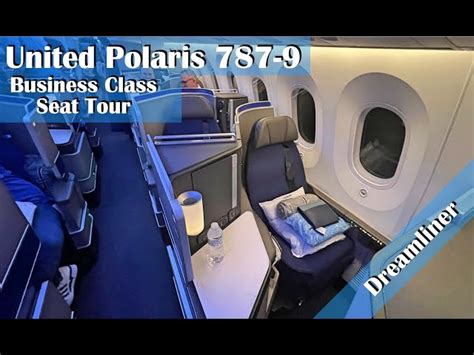
United currently operates 48 Boeing 787-9s, internally coded as 78P, each configured with 257 seats. Those aircraft already lean premium compared to many global peers, yet the new 78L configuration reduces total capacity to just 222 seats, placing it among the least dense 787-9 layouts in service worldwide. This reduction is deliberate. By shrinking the economy cabin and expanding high-yield seating, United is tailoring the aircraft to routes where premium demand remains resilient year-round.
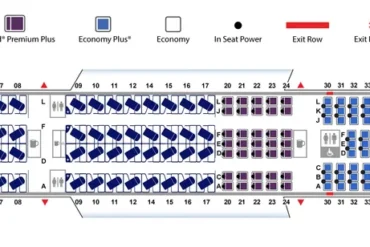
The seating breakdown reveals the strategy clearly. The 78L will feature 64 Polaris business class suites, including eight all-new Polaris Studio seats, alongside 35 Premium Plus seats and 123 economy seats, of which 39 are Economy Plus. Compared to the existing 78P layout, this represents a significant jump in business and premium economy capacity, while sharply reducing standard economy exposure.
This configuration allows United to operate long-haul routes with full cabins and minimal seat blocking, a persistent challenge on ultra-long missions where payload and seasonal demand fluctuations can force capacity constraints. By aligning seat count more closely with consistent demand, the 78L enhances both operational flexibility and revenue reliability.
Route Strategy: Matching Range With Revenue
The initial deployment plan for the 78L subfleet highlights its dual-purpose design. United is expected to introduce the aircraft on routes such as San Francisco–Singapore and San Francisco–London Heathrow, two markets that sit at opposite ends of the operational spectrum but share one critical trait: strong premium demand.
Singapore represents one of United’s longest routes, where the 787-9’s range is essential and premium cabins routinely outperform economy in revenue contribution. The lower-density 78L allows United to operate the route more consistently throughout the year without compromising payload or blocking seats during weaker seasons. London Heathrow, by contrast, does not require extreme range, but it remains one of the most competitive and premium-driven transatlantic markets. Here, the 78L’s expanded Polaris and Premium Plus cabins directly address demand from corporate and high-value leisure travelers.
Crucially, this flexibility means the aircraft is not locked into only ultra-long-haul missions. The 78L can rotate onto other premium-heavy routes where maximizing yield matters more than maximizing seats, giving United a versatile tool within its widebody fleet.
Inside the Cabin: Elevated Interiors and Polaris Studios
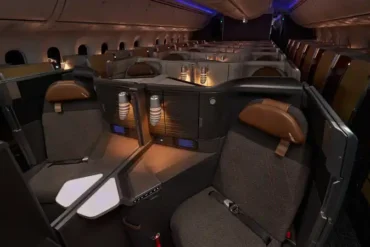
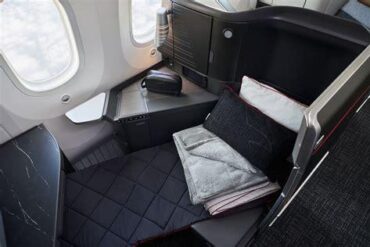
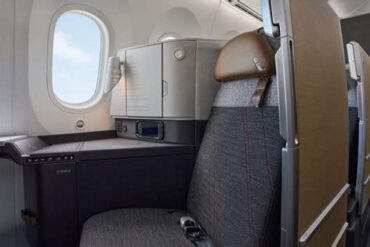
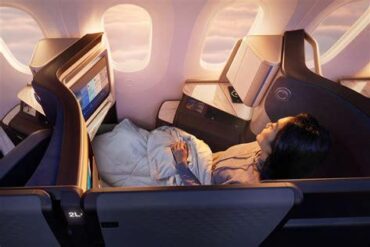
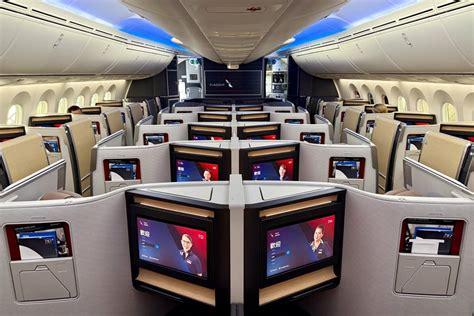
The most visible evolution of the 78L lies inside the cabin. United’s current Polaris product, introduced in 2016, was a major step forward at the time but now shows its age, particularly in privacy and technology. The new aircraft will debut United’s “Elevated Interiors”, anchored by the Safran Elevate Ascent Polaris suite.
Each Polaris suite will feature direct aisle access, sliding privacy doors, and 19-inch 4K seatback screens, alongside multiple power and charging options designed for today’s device-heavy travelers. The cabin layout introduces a nuanced mix of configurations. Window suites and select center suites are arranged in a reverse-herringbone layout, while other center pairs shift to a herringbone configuration, creating intimate “honeymoon” suites for couples.
At the very front of the cabin sit the headline innovation: Polaris Studio. Located in rows one and nine, these eight seats offer additional personal space, larger screens, buddy seating, and a notably upgraded soft product. This positions Polaris Studio as a clear step above standard business class, bridging the gap between traditional Polaris and a true first-class experience.
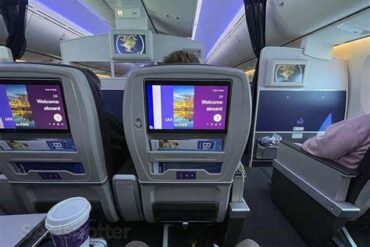
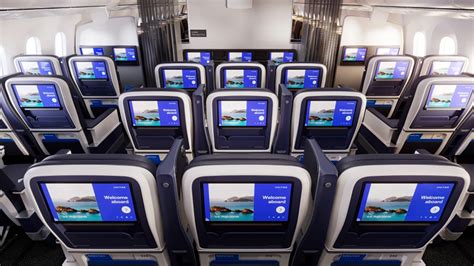
Premium Plus and economy cabins are not neglected. United will continue using the Collins Aerospace MiQ and Aspire seats respectively, but with new seat covers, larger screens, enhanced charging, and, for Premium Plus, privacy wings and dedicated storage. The result is a cohesive cabin experience where every class feels intentionally modern rather than carried over.
How United Stacks Up Against the Competition
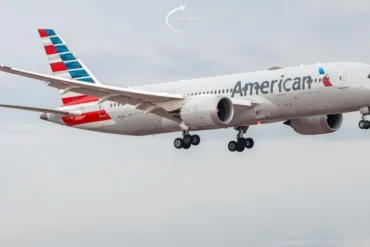
United’s move places it at the aggressive end of the premium spectrum among U.S. carriers. American Airlines has already introduced its own premium-heavy 787-9s, featuring Flagship Suites and a front-row Flagship Preferred product. However, American’s total premium count remains closer to United’s existing 78P configuration than the more radical 78L layout.
Looking ahead, Delta Air Lines plans to introduce the Airbus A350-1000 later in the decade, widely expected to feature a next-generation Delta One suite with a premium-plus front row. Even so, early indications suggest Delta’s premium density will remain more conservative than United’s approach with the 78L.
By committing to a 64-seat Polaris cabin on a mid-sized widebody, United is making a clear statement. The airline is betting that premium demand on key long-haul routes is not only durable but strong enough to justify one of the world’s most premium-heavy 787-9 configurations. With the arrival of N61101, that bet moves from strategy slide to operational reality.