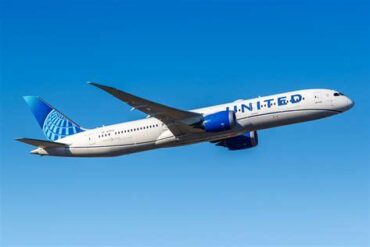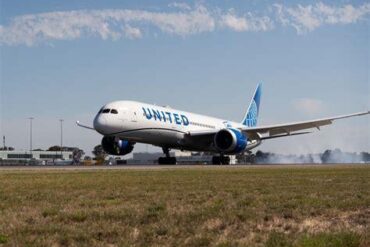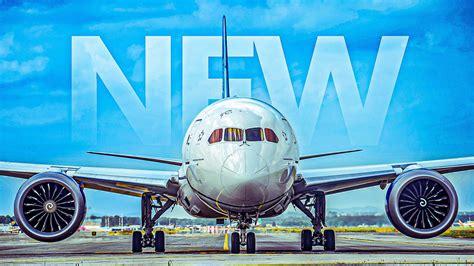
United Airlines is preparing to redefine long-haul travel with the debut of its first premium-heavy Boeing 787-9, a bold reconfiguration that signals a decisive shift toward high-yield international passengers. Beginning April 22, the aircraft will enter service on the airline’s flagship San Francisco (SFO) to Singapore (SIN) route, one of the longest nonstop flights in the world, stretching over 8,400 miles.
This launch is more than a fleet update—it represents a calculated move to elevate the end-to-end passenger experience, particularly for travelers willing to pay for privacy, comfort, and exclusivity. With a total of 99 premium seats, the highest among U.S. carriers, United is making it clear where the future of profitability in aviation lies.
A Strategic Debut on a Global Power Route
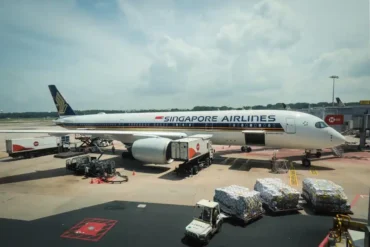
Choosing the San Francisco–Singapore corridor for the inaugural flight is no coincidence. This ultra-long-haul route connects two global business hubs and consistently attracts premium travelers, from corporate executives to high-net-worth leisure passengers. Operating alongside Singapore Airlines, United is stepping into a fiercely competitive arena where product differentiation matters as much as schedule frequency.
Before its international debut, the aircraft—registered N21102—will operate domestic flights between San Francisco and Houston. These short-haul rotations serve as a proving ground, allowing crews to refine service delivery and ensure operational readiness before the aircraft takes on one of aviation’s most demanding routes.
Inside the “Elevated” Cabin Concept
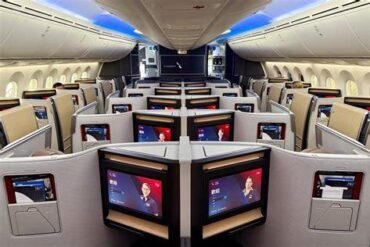
United’s reimagined 787-9 interior is being marketed as its “Elevated” cabin, and the name is not subtle. From nose to tail, the aircraft has been redesigned to prioritize space, privacy, and premium amenities across every class.
The centerpiece is the introduction of the United Polaris Studio, a next-generation business-class suite that pushes beyond conventional expectations. These eight exclusive seats are 25% larger than standard Polaris offerings and feature fully enclosed privacy doors, transforming each suite into a personal cocoon in the sky.
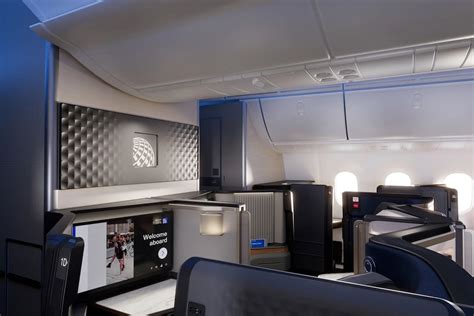
What sets the Polaris Studio apart is not just its size, but its versatility. Each suite includes an ottoman designed for companion seating, enabling in-flight dining or casual conversation—an increasingly popular feature among premium travelers who value both privacy and social flexibility.
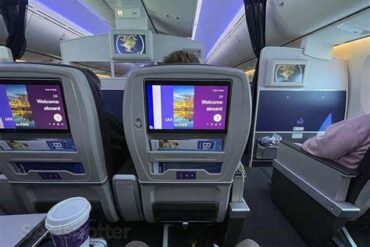
The technological upgrades are equally striking. A 27-inch 4K OLED screen, the largest offered by any U.S. airline, dominates the in-seat entertainment experience. Paired with Bluetooth connectivity and wireless charging, the setup reflects a seamless integration of personal devices with onboard systems.
Dining and Amenities That Rival Luxury Hotels
United is leaning heavily into the experiential side of premium travel, introducing curated dining options that go beyond traditional airline fare. The Polaris Studio service includes an Ossetra caviar amuse-bouche, signaling a deliberate move into territory typically occupied by top-tier international carriers.
Enhanced amenity kits featuring premium skincare products further reinforce the airline’s intent to align itself with luxury hospitality standards. These touches, while seemingly small, contribute to a broader narrative: that long-haul flying should feel less like endurance and more like indulgence.
A Strong Premium Backbone Beyond the Studio
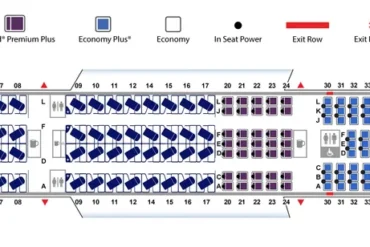
While the Polaris Studio may steal the spotlight, the rest of the premium cabin has not been overlooked. The aircraft includes 56 standard Polaris business-class seats, all fully lie-flat and equipped with 19-inch 4K OLED screens. The layout ensures direct aisle access for every passenger, a baseline expectation that United executes with precision.
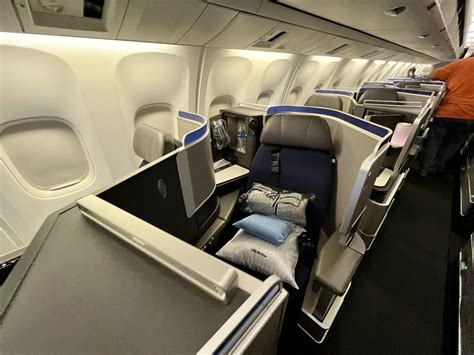
Further back, Premium Plus has been upgraded with 35 seats featuring enhanced privacy dividers, more generous legroom, and 16-inch 4K displays. This cabin is increasingly important as airlines target travelers who seek comfort without the full cost of business class.
Even in Economy, the improvements are noticeable. Passengers benefit from 13-inch 4K screens, Bluetooth connectivity, and up to six power outlets per row. The message is clear: while premium drives revenue, the broader passenger base still receives meaningful upgrades.
Why “Premium-Heavy” Is the Future of Aviation
United’s decision to configure this aircraft with such a high concentration of premium seating reflects a broader industry trend. Airlines are recognizing that yield per seat, not just total passenger count, determines profitability on long-haul routes.
By allocating more space to premium cabins, United sacrifices some economy capacity but gains significantly higher margins. This approach is particularly effective on routes like San Francisco to Singapore, where demand for business and premium leisure travel remains strong year-round.
Expansion Plans and What Comes Next
The April debut is only the beginning. United plans to introduce 30 Boeing 787-9 aircraft with this elevated configuration by the end of next year. The second international route confirmed for the aircraft is San Francisco to London Heathrow, launching April 30 as flight UA901.
Additional routes have yet to be announced, but industry observers expect deployments across other high-demand transatlantic and transpacific markets. Each new route will serve as a testing ground for how well this premium-first strategy resonates with global travelers.
A Defining Moment for United’s Brand Evolution
This aircraft is more than a new product—it is a statement of intent. United Airlines is positioning itself not just as a global carrier, but as a serious competitor in the premium travel segment, challenging both U.S. and international rivals.
By combining cutting-edge technology, elevated design, and refined service, the airline is betting that passengers will respond to a more luxurious vision of long-haul travel. If the strategy succeeds, it could reshape not only United’s identity but also the competitive dynamics of international aviation.
And if nothing else, it makes one thing clear: the era of simply getting from point A to point B is over. In its place, a new standard is emerging—one where the journey itself is the destination.