American Airlines is entering 2026 with a clear message to the global aviation market: premium travel is no longer a niche—it is the battleground where loyalty, margins, and brand prestige are won. As corporate travel rebounds and affluent leisure travelers become more discerning, the Fort Worth–based carrier is aligning its fleet, cabins, and network around a sharply defined luxury strategy that rivals anything offered by its largest competitors. At the heart of this transformation are two aircraft types that symbolize a decisive break from American’s past: the Boeing 787-9P and the Airbus A321XLR.
Rather than spreading premium features thinly across the fleet, American has concentrated its most advanced cabins into aircraft specifically designed to maximize comfort, privacy, and revenue potential. This approach allows the airline to place its most luxurious products on routes where travelers are willing to pay for exclusivity, consistency, and a genuinely elevated onboard experience. In doing so, American is not just refreshing seats and interiors—it is reshaping how and where premium travel happens within its network.
The stakes are high. Delta Air Lines and United Airlines have spent the better part of a decade refining their premium propositions, from Delta One suites to United Polaris lounges. American’s 2026 deployments mark its strongest response yet, pairing cutting-edge cabin design with route planning that targets the world’s most lucrative corridors. From transatlantic business hubs to ultra-competitive transcontinental routes, the airline’s most luxurious aircraft are being positioned with intent.
By examining where these aircraft will fly, what makes them different, and why American is betting so heavily on them, a clearer picture emerges of how the airline plans to compete at the very top end of the market in 2026 and beyond.
A New Era of Premium Flying at American Airlines
The foundation of American Airlines’ 2026 premium strategy lies in the recognition that today’s high-value passengers expect more than just a lie-flat seat. Privacy, design coherence, technology integration, and a sense of exclusivity have become baseline expectations rather than luxuries. American’s response has been to create aircraft that feel purpose-built for premium travelers, rather than retrofitted compromises.
The Boeing 787-9P represents the airline’s long-haul flagship, designed to carry its most discerning customers across oceans in a setting that emphasizes personal space and refinement. Meanwhile, the Airbus A321XLR brings that same philosophy to narrowbody operations, allowing American to deploy lie-flat business class suites on routes that were previously constrained by aircraft range or economics.
This dual approach allows American to blur traditional boundaries between widebody and narrowbody service. Passengers flying coast to coast or across the Atlantic on an A321XLR can now expect an experience that rivals long-haul widebody business class, while those on the 787-9P encounter a level of consistency that strengthens brand trust across the network.
What Makes the Boeing 787-9P American’s Crown Jewel
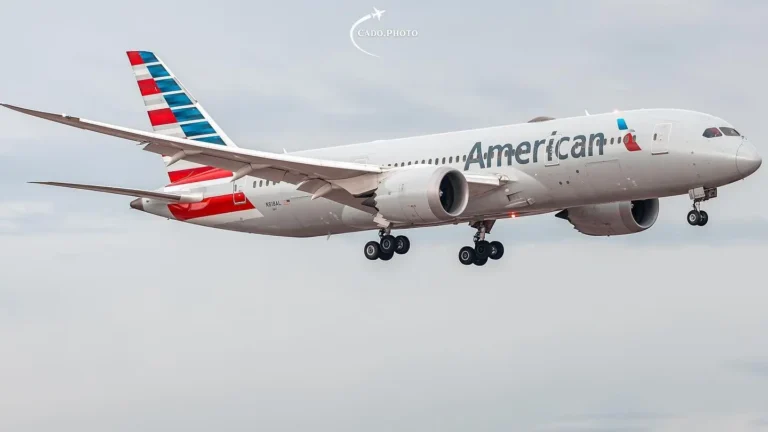
The Boeing 787-9P, with the “P” denoting its premium-heavy configuration, is the most ambitious cabin product American has ever introduced. Unlike earlier Dreamliners in the fleet, this aircraft has been designed from the outset to prioritize premium seating, both in absolute numbers and in the quality of the experience offered.
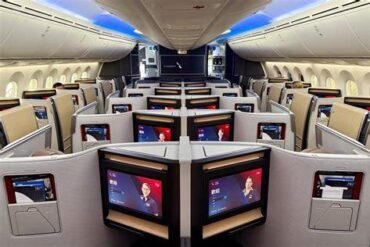
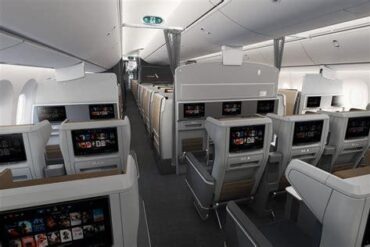
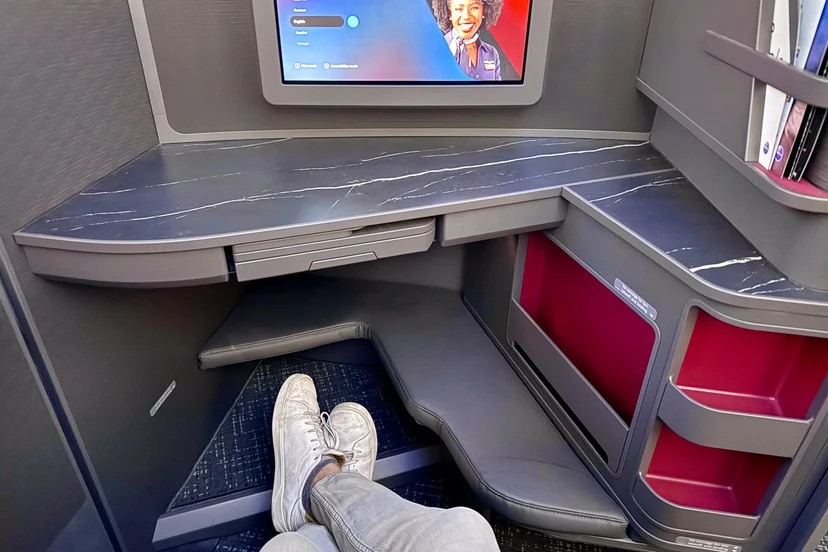
Inside the aircraft, the emphasis is immediately clear. The forward cabin features 51 Flagship Business Class suites, each enclosed with a sliding door that creates a private, cocoon-like environment. These suites are not merely incremental upgrades; they reflect a philosophical shift toward true personal space. Lie-flat beds, large high-definition entertainment screens, wireless charging, and thoughtfully placed storage all contribute to an experience that feels contemporary and deliberate rather than improvised.
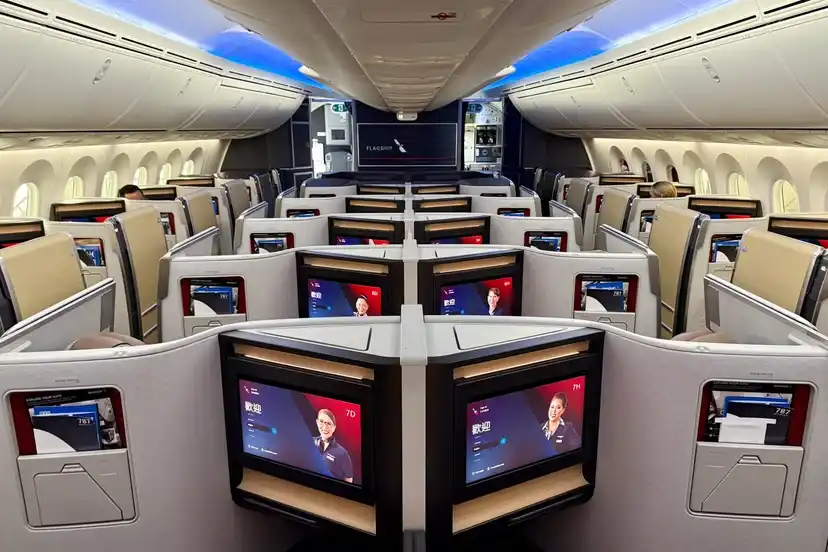
A subset of these seats—marketed as Flagship Suite Preferred—offers even more room and exclusivity, effectively creating a “business class plus” tier that targets travelers who want something beyond standard business class without stepping into first class territory. This layered premium structure mirrors strategies used by leading international carriers and allows American to segment demand more precisely.
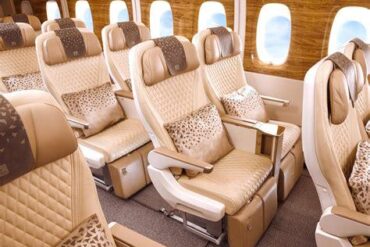
Behind business class sits 32 premium economy seats, arranged to offer a tangible step up from standard economy. These seats provide increased pitch, wider armrests, upgraded catering, and a calmer cabin environment that appeals to long-haul travelers seeking comfort without the price tag of business class. At the rear, 161 economy seats complete the configuration, benefiting from new interiors, larger screens, and a more cohesive design language than previous generations.
Where the 787-9P Will Fly in 2026
In 2026, American Airlines will deploy its Boeing 787-9P fleet with precision, focusing on routes where premium demand is both deep and resilient. Five major hubs—Chicago O’Hare, New York JFK, Philadelphia, Los Angeles, and Dallas–Fort Worth—will serve as launch points for these aircraft, reinforcing their role as gateways to the airline’s most lucrative long-haul markets.
London Heathrow stands out as the centerpiece of this strategy. As one of the world’s most important financial and cultural capitals, London generates a steady stream of corporate contracts and high-end leisure traffic. American will operate multiple daily 787-9P flights from Chicago, New York, and Philadelphia to Heathrow, effectively saturating the market with its most advanced product. Los Angeles and Dallas–Fort Worth will each see daily service as well, ensuring coast-to-coast access to the premium Dreamliner.
Beyond Europe, the 787-9P will also appear on select ultra-long-haul routes to the South Pacific. Flights from Dallas–Fort Worth to Brisbane and Auckland through March 2026 highlight the aircraft’s versatility and underscore American’s intent to compete in markets traditionally dominated by foreign carriers. On these routes, the combination of range, efficiency, and premium density allows American to offer a compelling alternative for travelers heading to Australia and New Zealand.
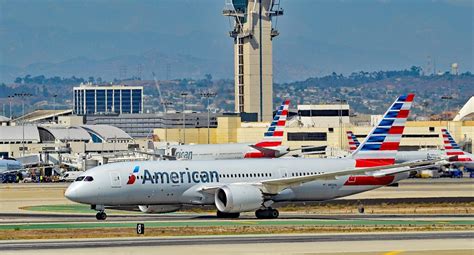
The Airbus A321XLR and the Reinvention of Narrowbody Luxury
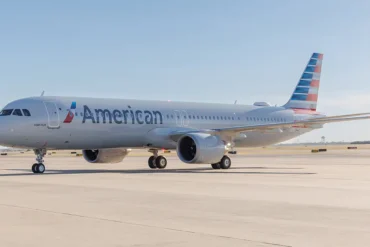
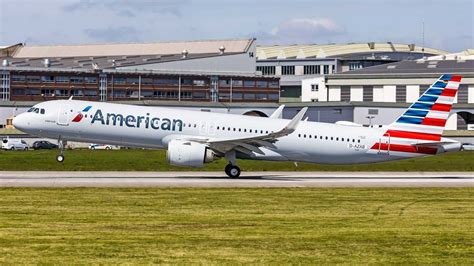
If the 787-9P represents American’s vision for long-haul luxury, the Airbus A321XLR embodies its ambition to redefine premium travel on narrowbody aircraft. With extended range capabilities and fuel efficiency that opens new route possibilities, the A321XLR allows American to bring lie-flat comfort to markets that were previously underserved or economically unviable for widebodies.
American’s A321XLRs are configured with just 155 seats, making them among the most premium-dense narrowbody aircraft in commercial service. The forward cabin features 20 Flagship Business Class suites arranged in a 1-1 layout, ensuring direct aisle access for every passenger. These suites echo the design language of the 787-9P, with lie-flat beds, closing doors, and high-end finishes that create a sense of continuity across the fleet.
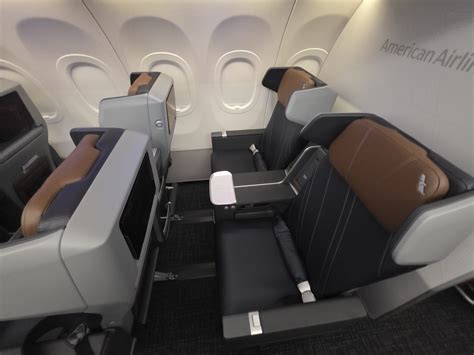
Behind business class sits a 12-seat premium economy cabin, offering a domestic-first-class-style experience with enhanced comfort and upgraded amenities. The remainder of the aircraft is dedicated to economy seating, designed to feel modern and cohesive rather than utilitarian.
This configuration is not accidental. By packing premium seats into a smaller aircraft, American can profitably serve routes with high yields but limited overall demand, while maintaining the exclusivity that premium travelers expect.
Expanding Transcontinental Dominance in the United States
One of the most visible applications of the A321XLR in 2026 will be on premium transcontinental routes within the United States. These flights, connecting major business and tech hubs, have long been fiercely competitive, with carriers vying for corporate contracts and frequent flyers.
American inaugurated the A321XLR on the New York JFK–Los Angeles route, signaling its intent to refresh and modernize its transcontinental offering. In 2026, this aircraft will expand to additional high-profile routes, including New York JFK–San Francisco and Boston–Los Angeles. These markets are characterized by strong demand for lie-flat seating, particularly among technology executives, entertainment industry professionals, and financial travelers.
By increasing frequencies and deploying the A321XLR up to several times daily on these routes, American is positioning itself as a serious contender against Delta and JetBlue, both of which have invested heavily in premium transcontinental products. The consistency of the onboard experience—private suites, premium dining, and modern interiors—becomes a critical differentiator in markets where schedules and fares are often similar.
Crossing the Atlantic with a Single-Aisle Aircraft
Perhaps the most strategically significant move for the A321XLR in 2026 is its entry into transatlantic service. The aircraft’s extended range allows American to operate routes that were once the exclusive domain of widebodies, but with lower operating costs and greater flexibility.
The inaugural international route for the A321XLR will connect New York JFK with Edinburgh, launching in March 2026 and operating seasonally through October. This route exemplifies the aircraft’s strengths: sufficient premium demand to justify lie-flat business class, combined with overall passenger volumes that do not require a larger aircraft.
For travelers, the experience challenges preconceived notions of narrowbody flying. The presence of private suites and premium economy on a transatlantic flight redefines expectations and allows American to offer a boutique-style experience on routes that feel both exclusive and thoughtfully curated.
Replacing the A321T and Retiring Flagship First
The introduction of the A321XLR also marks the beginning of the end for American’s iconic A321T fleet. These aircraft, once synonymous with premium transcontinental travel, are being phased out and converted to standard domestic configurations. While the A321T played a crucial role in American’s earlier premium strategy, its aging interiors and limited flexibility made it less suitable for the airline’s future plans.
By retiring the A321T, American is also eliminating its Flagship First product on narrowbody aircraft, a move that reflects broader industry trends. Demand has increasingly shifted toward high-end business class rather than traditional first class, particularly on routes under eight hours. The A321XLR’s business class suites effectively absorb the role once played by Flagship First, but with higher utilization and stronger revenue performance.
This transition allows American to streamline its premium offerings while maintaining, and in many cases enhancing, the passenger experience.
Why 2026 Matters for American Airlines’ Premium Ambitions
The year 2026 represents more than just a new set of routes or aircraft deliveries for American Airlines. It marks a strategic inflection point where the carrier’s investments in product design, fleet planning, and network strategy converge into a cohesive premium vision.
By deploying its most luxurious aircraft on routes that matter—financial centers, technology hubs, and high-end leisure destinations—American is signaling that it intends to compete aggressively for the world’s most valuable travelers. The combination of the 787-9P and A321XLR allows the airline to offer a consistent, high-quality experience across a wide range of distances and markets, reducing the variability that has historically plagued its premium reputation.
For passengers, this means greater choice, improved comfort, and a clearer understanding of what to expect when booking an American Airlines premium cabin. For the airline, it means stronger margins, deeper loyalty, and a renewed sense of purpose in an increasingly competitive global landscape.
As these aircraft take to the skies in 2026, they will not merely transport passengers from one city to another. They will carry American Airlines’ aspirations to redefine its place in the premium travel hierarchy, one meticulously designed cabin at a time.