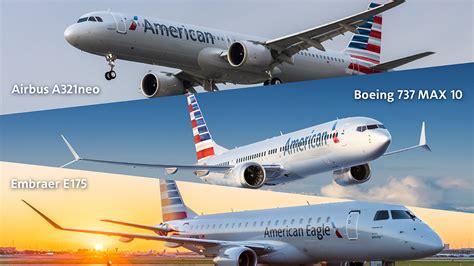
American Airlines is preparing to redefine the domestic travel experience with a sweeping overhaul of its Airbus A319 and A320 fleets, scheduled to begin in late 2025. The upcoming retrofit initiative will not only inject more premium seating capacity into its short-haul and domestic routes but also modernize the cabin interiors with next-generation features. With demand rising for comfort and personalization at cruising altitude, the airline’s ambitious plan is a direct response to market trends favoring high-yield passengers and upgraded onboard experiences.
By the time these modifications are complete, American Airlines will have repositioned its A319 and A320 aircraft as high-efficiency, high-comfort workhorses that cater to both premium travelers and those seated further back in economy.
More First Class Seats: Premium Capacity Expansion
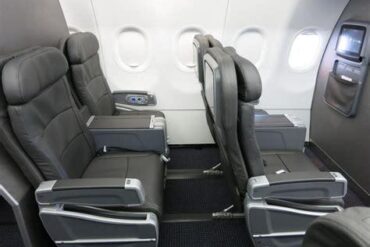
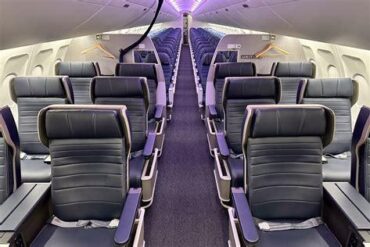
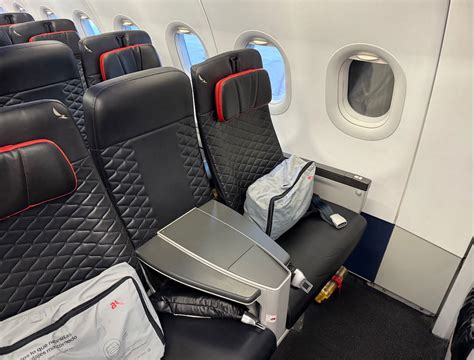
At the heart of this project is a strategic increase in first-class seating. The A319 aircraft, currently equipped with eight first class seats, will be upgraded to carry 12 premium seats. Meanwhile, the A320s will expand from 12 to 16 first class seats—a substantial shift that aligns with the airline’s pivot toward premium revenue streams. This move reflects an industry-wide pattern, with airlines increasingly monetizing comfort, exclusivity, and convenience in their offerings.
American Airlines is responding to a 20% projected increase in premium seating demand between 2024 and 2026. The extra seats will help the airline tap into the resurgent business travel market, while also attracting leisure travelers willing to pay more for added space and amenities.
Enhanced Cabin Interiors: From Power to Comfort
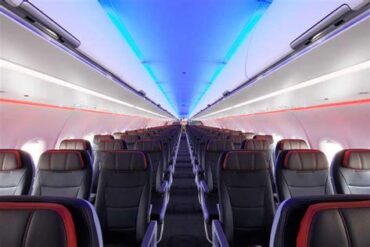
The upcoming cabin designs will see a comprehensive modernization across both aircraft types. This includes:
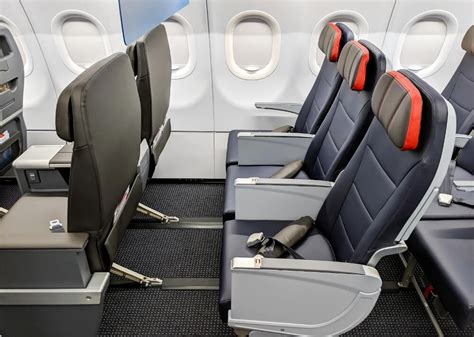
- New seat designs with upgraded materials, finishes, and cushioning for a more contemporary look and feel
- In-seat power outlets across the cabin, ensuring that all passengers can charge their devices during flight
- Larger overhead bins to alleviate boarding congestion and eliminate the scramble for carry-on space
These updates will not only elevate the customer experience but also streamline the boarding process, enhancing turnaround times and operational efficiency.
Increased Seat Density: The Cost of Comfort for Some
However, this pursuit of luxury and modernization comes at a cost—particularly for those flying in economy. In order to accommodate more first-class seats and new cabin features, American Airlines will increase the overall seat count:
- The A319 will go from 128 to 132 total seats
- The A320 will rise to approximately 157 seats, depending on the final configuration
The seating densification reflects the ongoing balancing act airlines face: maximizing revenue while minimizing passenger discomfort. American is aiming to achieve a layout that increases overall capacity while preserving enough comfort to avoid alienating its economy travelers.
Seatback Screens Removed: Streaming Takes Center Stage
A controversial change in the retrofit is the removal of seatback entertainment systems from the remaining 32 legacy A319s. These narrowbody jets are the last in American’s fleet to feature built-in screens. Instead, passengers will now find personal device holders, in line with the airline’s “Bring Your Own Device (BYOD)” entertainment strategy.
This move is intended to reduce aircraft weight, simplify maintenance, and leverage passengers’ growing reliance on personal electronics. However, critics argue that this detracts from the onboard experience, especially for those who prefer the ease of built-in screens. American Airlines counters this by emphasizing its fast and free Wi-Fi offerings and enhanced streaming content library.
Crew Configuration Changes: A Tighter Fit Behind the Curtain
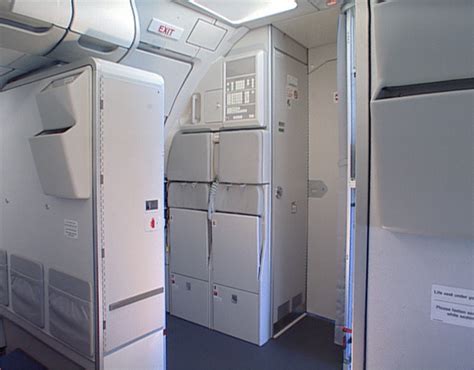
The densification process also extends to the crew rest and operational areas. In the revised layouts, some flight attendant jump seats will be relocated to lavatory doors—a decision driven by space constraints. While the airline assures that all changes meet FAA safety and ergonomic standards, labor unions and cabin crew have voiced concerns about the impact on comfort, privacy, and efficiency.
Such changes, though not visible to passengers, affect crew morale and potentially their performance in high-stress situations. It remains to be seen whether American will adjust this aspect of the configuration in response to feedback from its flight crews.
Streamlined Rollout: Maintenance Meets Modernization
The retrofit initiative will launch in fall 2025, beginning with aircraft scheduled for heavy maintenance checks. This operational overlap is designed to minimize aircraft downtime and ensure that each updated plane reenters service as quickly as possible. The process will carry through winter 2025, with the full fleet expected to be reconfigured by mid-2026.
This timeline aligns with American’s broader strategy to quickly ramp up premium seat availability and offer a consistent experience across its narrowbody fleet. It’s a calculated move to strengthen the airline’s competitive edge during a period of revived demand and intensified rivalry in the U.S. aviation market.
Revenue Strategy: Premium Passengers Drive Profitability
Behind the cosmetic and structural changes lies a sharp focus on revenue optimization. Premium passengers represent a disproportionately large share of airline income, often delivering higher yields per seat than economy travelers. By boosting first-class capacity, American Airlines aims to extract more value from each flight.
With corporate travel projected to rebound sharply and hybrid work culture facilitating more frequent short-haul trips, the timing of the retrofit is critical. This investment is designed not just to respond to demand, but to shape it—by making premium travel more attractive, accessible, and habitual for a broader swath of passengers.
Balancing Act: Comfort vs. Commercial Goals
American Airlines is navigating a delicate cost-benefit balancing act with this retrofit. The benefits for first-class travelers and tech-savvy fliers are evident: more room, more power, and a fresher environment. But for passengers seated in the densified economy section, especially those affected by the removal of seatback entertainment, the upgrades may feel like a mixed bag.
Nonetheless, the airline maintains that the net experience will improve, citing power outlets, overhead bin space, and updated seat ergonomics as mitigating enhancements. Whether this compromise resonates with passengers will ultimately depend on execution—and on how well the value proposition is communicated to a price-sensitive market.
Conclusion: Future-Proofing the Narrowbody Fleet
The upcoming revamp of American Airlines’ A319 and A320 fleets represents a forward-looking commitment to premium service delivery, operational efficiency, and fleet consistency. It’s a bold reimagination that may reshape how American competes on some of its most critical short-haul and domestic routes.
The increase in premium seats, coupled with modern amenities like power outlets and larger bins, will better position the carrier to capture business travelers and premium leisure flyers alike. Though seatback screens and tighter pitch in economy may provoke some pushback, the long-term vision is clear: deliver a revenue-positive, passenger-preferred cabin experience that keeps American Airlines flying high in a crowded market.