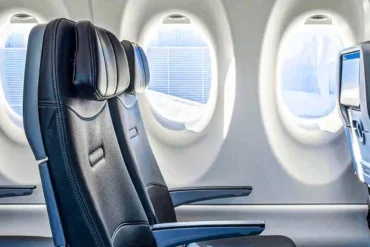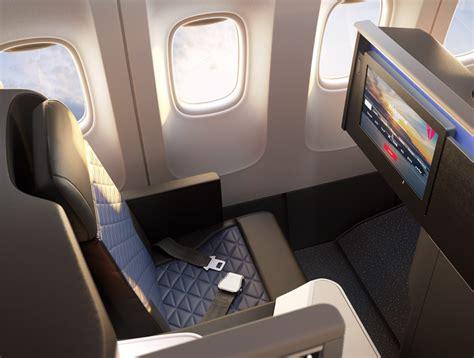
For decades, the airline industry’s formula for profitability seemed straightforward: fit as many passengers onto an aircraft as possible and keep seats full. The logic favored density, especially in economy class, where hundreds of travelers could be carried on a single flight. Today, that equation is being rewritten. Across the world’s busiest domestic and international routes, airlines are shrinking economy cabins and dedicating more aircraft space to premium products ranging from extra-legroom economy seating to fully enclosed business-class suites.
The change is subtle enough that many travelers may not immediately notice it. Aircraft still depart full, schedules remain largely unchanged, and airlines continue advertising competitive economy fares. Yet behind the scenes, a profound transformation is taking place. Airlines increasingly view aircraft not as vehicles designed to maximize passenger volume but as assets optimized to maximize revenue per square foot of cabin space.
What appears to be a simple seating adjustment is actually one of the most significant shifts in airline economics in decades. The growing dominance of premium travel, changing consumer spending patterns, and widening wealth disparities are all combining to reshape how airlines design their cabins and generate profits.
For economy travelers, the implications are substantial. For airlines, the rewards have become impossible to ignore.
Premium Revenue Has Overtaken Traditional Economy Growth
The strongest evidence of the industry’s changing priorities emerged when major airlines began reporting financial results that would have seemed unlikely only a decade ago.
Historically, economy cabins generated the bulk of passenger revenue. Premium cabins were often viewed as prestige products that enhanced an airline’s brand image while filling a relatively small portion of the aircraft. Business-class passengers paid higher fares, but economy travelers represented the overwhelming majority of customers.
That balance has shifted dramatically.
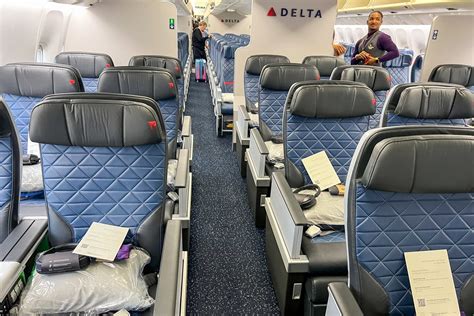
Delta Air Lines revealed a landmark milestone when premium cabin revenue exceeded main cabin revenue during the fourth quarter of 2025. Main cabin revenue declined while premium revenue continued climbing, reflecting a remarkable reversal of traditional airline economics. Products such as Comfort+, Premium Select, Delta One, and domestic first class collectively generated more money than standard economy seating.
The significance of this development extends far beyond a single earnings report. It signals a structural change in consumer behavior and airline profitability. Premium travel is no longer a niche segment supported by a small number of affluent passengers. Instead, it has become a central driver of airline financial performance.
United Airlines has reported similar patterns. Premium revenue growth has consistently outpaced standard economy growth, demonstrating that travelers continue spending aggressively on upgraded experiences even as many economy passengers become increasingly price-sensitive.
For an industry known for razor-thin margins, these trends are transformative. Airlines no longer need to focus solely on carrying more people. They can earn more money by carrying fewer passengers who are willing to pay significantly higher fares.
The Economics Behind Fewer Seats and Higher Profits
The key factor driving cabin redesigns is a concept known as revenue density. Rather than measuring success by the number of passengers onboard, airlines increasingly measure how much revenue each section of the aircraft produces.
Not all seats generate equal financial returns.
A single business-class seat may occupy the same floor space as multiple economy seats. On paper, that seems inefficient. In practice, the revenue difference often makes premium seating vastly more attractive.
Consider a popular transcontinental route such as New York to Los Angeles. Economy fares can often be found at relatively low prices, particularly when airlines engage in fare competition. Premium products, however, command dramatically higher prices, especially among business travelers and affluent leisure passengers.
A business-class passenger paying over $1,500 for a seat generates far more revenue than several economy passengers occupying a similar amount of cabin space. Even after accounting for higher service costs, premium meals, lounge access, and upgraded amenities, the profit margins remain significantly stronger.
This reality explains why airlines are willing to remove economy seats from aircraft. The objective is no longer maximizing headcount. The objective is maximizing yield.
Airline executives increasingly describe aircraft interiors using language borrowed from real estate and investment management. Every section of the cabin is evaluated according to its earning potential. If a premium economy seat generates substantially more revenue than a standard economy seat while occupying only slightly more space, the financial decision becomes obvious.
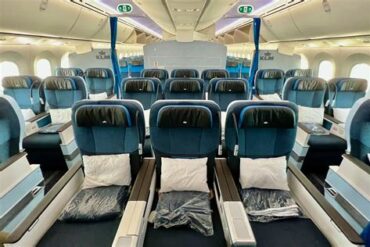
Premium economy has become particularly attractive because it appeals to a broader audience than business class. Travelers who may not spend thousands on a lie-flat seat often willingly pay hundreds more for additional legroom, enhanced meals, priority boarding, and improved comfort.
This creates a powerful middle ground that airlines have aggressively expanded.
The Rise of the K-Shaped Economy and Premium Travel Demand
While airline executives often discuss revenue optimization, the deeper forces driving premium cabin growth originate outside aviation.
Economists increasingly describe the modern economy as K-shaped. In a K-shaped recovery or economic environment, higher-income households continue accumulating wealth while lower- and middle-income households face greater financial pressures.
This divergence has become increasingly visible throughout consumer spending patterns.
High-income households account for a disproportionate share of travel spending. Rising asset values, strong investment returns, and growing wealth concentration have enabled affluent consumers to continue spending on premium experiences despite inflation and economic uncertainty.
Travel occupies a unique position within this spending behavior. Luxury vacations, premium airline seats, exclusive airport lounges, and upgraded travel experiences have become priorities for many wealthy consumers.
Meanwhile, cost-conscious travelers are often searching aggressively for discounts, reducing discretionary trips, or delaying travel altogether.
The result is a market where premium demand remains strong even when broader economic indicators appear mixed.
Airlines have responded accordingly. Rather than chasing increasingly price-sensitive economy passengers, carriers are focusing on customers who demonstrate a willingness to spend significantly more for comfort, convenience, and exclusivity.
The strategy is not merely about serving luxury travelers. It is about aligning aircraft design with the segments producing the highest financial returns.
How Aircraft Interiors Are Being Reengineered
The most visible manifestation of this shift is occurring inside the aircraft themselves.
Airlines are undertaking extensive cabin reconfigurations that fundamentally alter the balance between economy and premium seating. These redesigns often reduce overall seat counts while dramatically increasing the number of premium products available.
United Airlines offers one of the clearest examples.
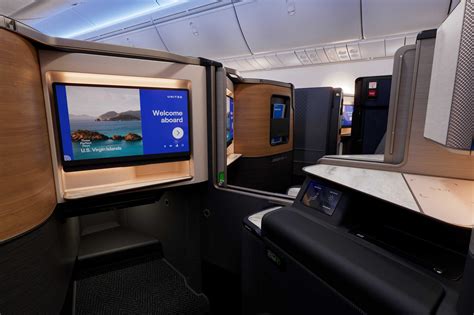
Its latest Boeing 787-9 interior concept dramatically expands Polaris business-class suites and Premium Plus seating while reducing standard economy capacity. The aircraft devotes a much larger percentage of cabin space to higher-revenue products than previous configurations.
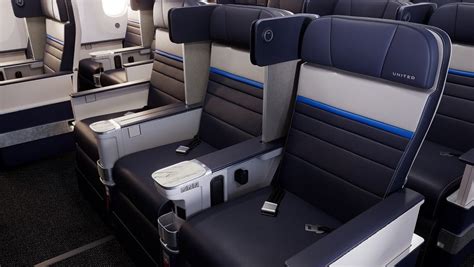
This approach reflects a broader industry trend. Rather than treating premium seating as a small section at the front of the aircraft, airlines increasingly design entire cabins around premium revenue generation.
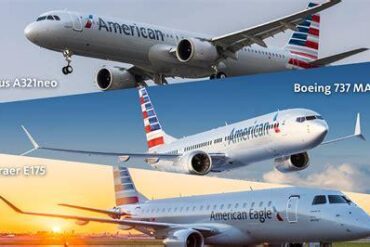
American Airlines has embraced a similar strategy by expanding business-class and premium economy offerings throughout its long-haul fleet. Delta Air Lines is moving in the same direction with new-generation aircraft such as the Airbus A350-900, Airbus A350-1000, Airbus A330-900neo, and Boeing 787-10.
These aircraft feature larger premium cabins than many of the aircraft they replace. The shift is deliberate, long-term, and backed by extensive demand data.
Modern airline fleet planning increasingly assumes that premium travel demand will continue growing faster than traditional economy demand.
Premium Economy Has Become Aviation’s Most Valuable Real Estate
Business class often captures headlines because of luxurious suites and lie-flat beds, but premium economy may actually be the most important product driving airline cabin transformations.
Premium economy occupies a unique position between standard economy and business class. It offers noticeably more comfort while remaining accessible to a much larger customer base.
Passengers frequently justify premium economy upgrades for long-haul flights because the additional cost feels manageable relative to the comfort benefits received.
For airlines, the economics are highly attractive.
A modest increase in seat pitch, enhanced meals, larger entertainment screens, and priority services can support significantly higher fares. The revenue generated frequently outweighs the reduction in overall seat count.
This dynamic has encouraged airlines to allocate increasing portions of their aircraft to premium economy products. What began as an experimental offering has evolved into one of the industry’s fastest-growing revenue generators.
The success of premium economy illustrates a broader truth about modern aviation: passengers are increasingly willing to pay for incremental improvements in comfort.
Airlines have noticed.
Even Low-Cost Airlines Are Moving Upmarket
The premium shift is not limited to legacy carriers.
Perhaps the strongest evidence of industry-wide transformation is the behavior of low-cost and ultra-low-cost airlines. Traditionally, these carriers focused almost exclusively on price-sensitive travelers, emphasizing maximum seat density and minimal amenities.
That model is evolving rapidly.
Frontier Airlines has announced plans to introduce more premium seating options. JetBlue is expanding premium offerings across its fleet. Southwest Airlines, long associated with uniform seating and open boarding, has embraced extra-legroom products capable of generating additional revenue.
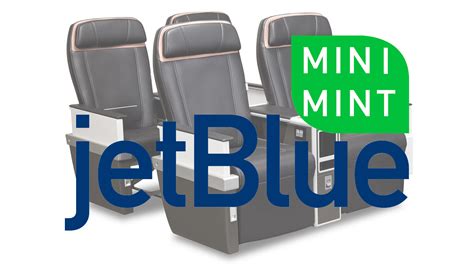
These developments would have seemed improbable only a few years ago.
Low-cost carriers are discovering the same reality facing larger competitors: premium passengers often deliver stronger margins than travelers focused solely on securing the lowest possible fare.
The industry’s movement toward premium seating has become so widespread that it now influences virtually every major airline business model.
What Shrinking Economy Cabins Mean for Travelers
For economy passengers, the long-term effects of this trend are becoming increasingly visible.
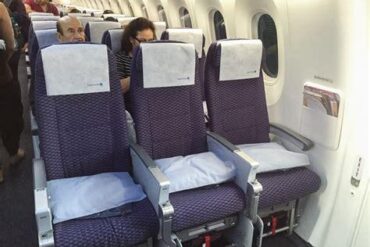
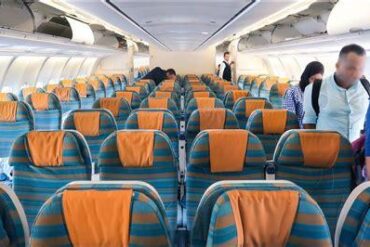
Aircraft may continue operating the same routes and frequencies, but the number of available economy seats is often declining. As airlines replace standard seats with premium alternatives, the supply of lower-priced inventory gradually shrinks.
Basic economics suggests what happens next.
Reduced supply can place upward pressure on fares, particularly during peak travel periods when demand already exceeds available capacity. Travelers who previously relied on abundant economy inventory may encounter fewer options and higher prices.
The onboard experience may also evolve. Smaller economy cabins can feel less crowded and may improve certain operational aspects such as boarding efficiency. However, premium passengers increasingly receive priority throughout the travel experience, from check-in counters to baggage delivery and onboard service.
Economy travelers often find themselves waiting longer for meals, beverages, and cabin service as airlines concentrate resources on higher-paying customers.
The changes are rarely dramatic on any single flight. Instead, they accumulate gradually across fleets, routes, and years.
The Future of Airline Cabin Design
The ongoing reallocation of aircraft space reflects a broader transformation in the economics of commercial aviation.
Airlines once viewed economy passengers as the foundation of profitability. Today, premium travelers increasingly occupy that role. As demand for premium products continues growing, airlines are likely to dedicate even more cabin space to high-yield seating.
Future aircraft interiors will almost certainly feature larger premium sections, more differentiated seating products, and fewer traditional economy seats than previous generations.
The trend extends beyond luxury. It represents a calculated response to changing consumer spending patterns, evolving wealth distribution, and the relentless search for stronger margins in a highly competitive industry.
For airlines, shrinking economy cabins is not a temporary experiment. It is a strategic adaptation to a marketplace where premium passengers generate an outsized share of revenue.
The quiet transformation unfolding inside aircraft cabins today may ultimately redefine what air travel looks like for the next generation. As carriers continue prioritizing revenue over seat count, the era of ever-expanding economy cabins appears to be drawing to a close, replaced by a new model in which every square foot onboard is expected to earn its maximum financial return.