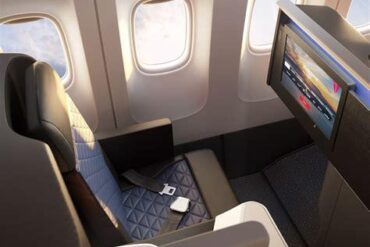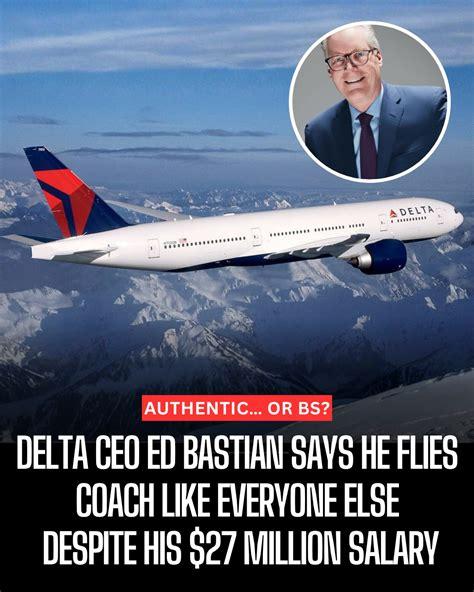
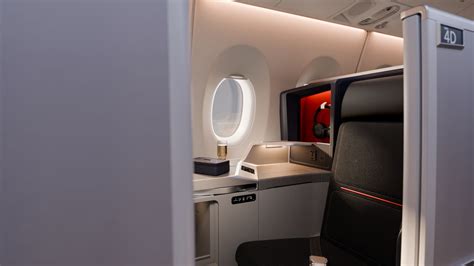
Delta Air Lines has spent the better part of the last decade refining a brand that feels unmistakably premium. From the privacy of Delta One Suites with sliding doors to curated wine programs led by master sommeliers, the airline has leaned heavily into an experience designed to command higher yields and stronger loyalty. Yet, in a twist that feels almost contrarian, the architect behind much of this transformation—CEO Ed Bastian—is frequently found nowhere near those polished, high-margin cabins. Instead, he is seated in Main Cabin or Comfort+, observing quietly, listening carefully, and absorbing the unfiltered reality of air travel.
At first glance, this behavior might seem symbolic, even theatrical. But the consistency of the practice reveals something far more deliberate. Bastian’s presence in economy is not about optics; it is about proximity to truth. In an industry where executive decisions often stem from dashboards and forecasts, he prioritizes the lived experience of passengers and frontline employees. It is a philosophy grounded in observation rather than assumption—and it has quietly become one of Delta’s most potent competitive advantages.
That approach becomes even more compelling when placed against the backdrop of Delta’s financial and operational success. The airline has emerged as one of the most consistently profitable carriers globally, even amid volatile fuel prices, shifting demand patterns, and operational disruptions. The paradox is striking: a CEO who champions premium strategy but personally gravitates toward the most basic product offering. The answer lies not in contradiction, but in alignment.
Who Is Ed Bastian? The Operator Behind Delta’s Transformation
To understand why Ed Bastian chooses the back of the plane, it helps to understand the man himself. Unlike leaders shaped solely by aviation, Bastian’s background is rooted in finance, auditing, and operational discipline. A graduate of St. Bonaventure University, he began his career at Price Waterhouse, where he developed a reputation for analytical rigor. His early exposure to corporate accountability—including uncovering financial irregularities—instilled a mindset that values clarity over narrative.
His transition to PepsiCo’s Frito-Lay division added another dimension: consumer-centric thinking. There, he gained experience managing international finance operations, balancing cost structures with customer demand. When he joined Delta in 1998, he brought with him a hybrid perspective—one that merged financial discipline with a deep understanding of consumer behavior.
Bastian’s defining chapter came during Delta’s Chapter 11 bankruptcy in the mid-2000s. Returning to the airline at a critical moment, he played a central role in restructuring its financial foundation. That experience left a lasting imprint: a belief that resilience is built not just through strategy, but through operational credibility and employee trust. By the time he became CEO in 2016, he wasn’t simply leading an airline—he was shaping a culture.
Delta’s Evolution Into a Premium Powerhouse
Under Bastian’s leadership, Delta did not merely improve—it repositioned itself. The airline shifted from being a traditional network carrier to a premium, reliability-focused platform. This transformation was not cosmetic; it was structural.
Delta invested heavily in product segmentation, ensuring that each cabin tier offered a distinct value proposition. Long-haul travelers gained access to Delta One Suites and Premium Select, while domestic passengers experienced a clearer hierarchy between First Class, Comfort+, and Main Cabin. Even the introduction of Basic Economy served a strategic purpose: protecting higher fares while capturing price-sensitive demand.
Simultaneously, Delta doubled down on operational performance. On-time departures, completion rates, and recovery during irregular operations became defining metrics. The airline also modernized its infrastructure, with significant upgrades at major hubs like LaGuardia (LGA) and Los Angeles International Airport (LAX). These investments were not just about aesthetics—they reinforced Delta’s promise of consistency.
Financially, the strategy paid off. Revenue diversification through SkyMiles, co-branded credit card partnerships, and Delta TechOps created multiple profit streams. The result was an airline less dependent on ticket sales alone and more resilient in the face of economic fluctuations.
Why the CEO Sits in Economy: A Strategic Decision, Not a Gesture
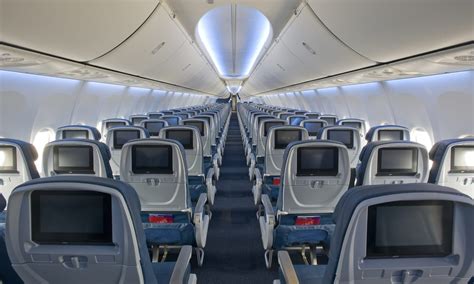
The sight of a CEO in economy might raise eyebrows, but in Bastian’s case, it serves a clear operational purpose. Sitting in the Main Cabin provides a vantage point that premium cabins simply cannot offer. It is where friction becomes visible—where boarding delays, overhead bin competition, and service bottlenecks unfold in real time.
From this perspective, Bastian can evaluate the entire passenger journey. He sees how boarding groups interact, how quickly bins fill, and how effectively flight attendants manage service flows. He experiences the reliability of onboard Wi-Fi, the ergonomics of seat design, and even the subtle stress points that accumulate during a full flight.
There is also an element of fairness embedded in this choice. By not occupying a premium seat, Bastian avoids displacing a paying customer or elite loyalty member. This reinforces a broader principle: revenue integrity matters, and leadership should not come at the expense of the customer experience.
The Power of Unfiltered Feedback at 35,000 Feet
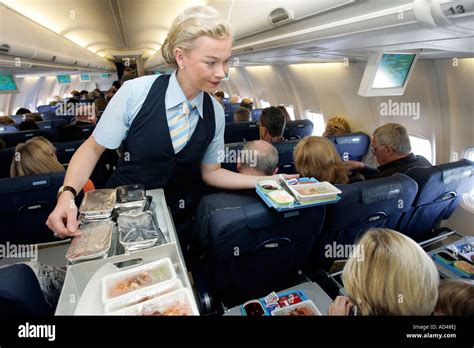
One of the most underrated advantages of flying economy is the authenticity of feedback. In premium cabins, service can become performative when an executive is present. In contrast, the Main Cabin offers a more unfiltered environment, where interactions remain natural and candid.
Passengers speak freely. Flight attendants operate without heightened scrutiny. The result is a stream of insights that cannot be replicated in controlled settings. Bastian uses these moments to identify both quick fixes and systemic issues. A delay in beverage service might point to cart design inefficiencies. Repeated complaints about seat comfort could inform future cabin redesigns.
These observations often translate into tangible improvements. Adjustments to catering logistics, refinements in boarding procedures, and enhancements to the mobile app experience frequently originate from these firsthand insights. It is a feedback loop that moves بسرعة—fast enough to address immediate concerns while informing long-term strategy.
Leadership Philosophy: Presence Over Perception
At the core of Bastian’s approach is a leadership philosophy that prioritizes presence over perception. He believes that trust is earned not through messaging, but through visibility and action. By consistently placing himself in the environments where work happens, he sends a clear signal: leadership is not detached from reality.
This philosophy extends beyond flights. Bastian is known for conducting station visits, ride-alongs, and open forums with employees. These interactions are not scripted—they are opportunities to listen, challenge assumptions, and align strategy with frontline realities.
The guiding principle is simple yet powerful: take care of employees, and they will take care of customers. In turn, the business thrives. It is a model that blends servant leadership with accountability, ensuring that high standards are met without losing sight of human dynamics.
Balancing Premium Ambition With Operational Discipline
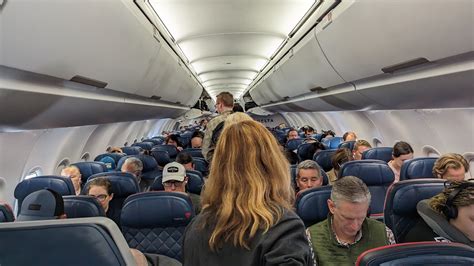
Delta’s emphasis on premium travel might suggest a singular focus on luxury, but Bastian’s actions reveal a more nuanced strategy. By immersing himself in the Main Cabin, he ensures that the baseline experience remains strong. After all, a premium brand cannot thrive if its foundation is weak.
This balance is critical. Premium cabins generate significant revenue, but the majority of passengers still travel in economy. Their experience shapes brand perception, influences repeat business, and ultimately supports the airline’s pricing power. Bastian’s approach ensures that improvements are not confined to the top tier—they cascade throughout the entire product.
It also reinforces cost discipline. Experiencing the constraints of economy travel firsthand provides a reality check against excessive spending on marginal enhancements. It keeps the focus on changes that deliver meaningful value, rather than superficial upgrades.
How This Approach Resonates With Employees
For Delta’s workforce, seeing the CEO in the aisle rather than behind a suite door carries significant weight. It signals respect for their daily challenges and validates their contributions. When Bastian discusses service pacing or boarding efficiency, he does so from experience—not abstraction.
This credibility fosters stronger engagement. Employees are more likely to share honest feedback, knowing it will be understood and acted upon. It also reinforces a culture where accountability and empathy coexist, creating an environment where performance and morale can thrive simultaneously.
Investor Confidence Rooted in Operational Credibility
While Bastian’s economy-seat strategy is operational in nature, it also supports Delta’s narrative to investors. The airline positions itself as a premium, diversified travel platform, but that promise is underpinned by execution. High completion rates, strong on-time performance, and consistent service delivery are not accidental—they are the result of disciplined management.
Investors recognize this connection. Bastian’s emphasis on firsthand observation complements the data-driven metrics presented in earnings calls. It demonstrates that leadership decisions are grounded in reality, reducing the risk of strategic misalignment.
The Bottom Line: A CEO Who Leads From the Cabin, Not the Boardroom
Ed Bastian’s choice to fly in economy is not a rejection of Delta’s premium ambitions—it is the mechanism that sustains them. By staying close to the core product, he ensures that the airline’s strategy remains anchored in real-world experience rather than theoretical models.
This approach has helped Delta maintain a rare balance: delivering a high-end brand while preserving operational excellence across all cabins. It is a reminder that in aviation, as in business, success often depends on understanding the journey from every seat—not just the most comfortable ones.
In the end, the image of a CEO walking the aisle, engaging with passengers and crew, captures something essential about Delta’s identity. It is an airline that aspires to lead not just through innovation, but through connection, consistency, and credibility—values that, much like Bastian himself, are built one flight at a time.