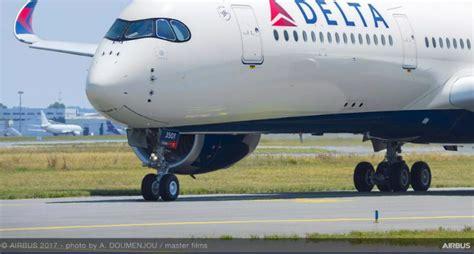
Delta Air Lines rarely makes impulsive fleet decisions. The airline has cultivated a reputation for deliberate, data-driven strategy—especially when it comes to aircraft interiors and premium product positioning. Yet even seasoned aviation observers raised eyebrows when the carrier began retrofitting the cabins of several Airbus A350 aircraft that were still relatively young.
Normally, airlines wait years—sometimes more than a decade—before undertaking a full interior redesign of widebody aircraft. The A350 is one of the most modern long-haul jets in the sky, so ripping out cabins early seems, at first glance, like an extravagant move. But beneath the surface lies a carefully engineered plan involving brand consistency, premium revenue optimization, and long-range network strategy.
What appears to be a cosmetic refresh is actually a multilayer transformation of Delta’s flagship aircraft, aligning the airline’s long-haul fleet with a broader vision for passenger experience and profitability.
Delta’s Fleetwide Cabin Redesign: A New Design Language
Delta’s A350 retrofit program is part of a larger, fleet-wide cabin transformation the airline began rolling out across multiple aircraft types. The redesign first appeared on the Boeing 757 before migrating to the airline’s long-haul workhorse, the Airbus A350.
Rather than focusing on a single cabin class, Delta chose to reimagine the entire onboard environment, from Delta One suites at the front to the main cabin seats at the rear. The idea is deceptively simple: no matter which aircraft passengers board, the experience should feel familiar.
Airlines historically developed cabin products independently for each aircraft type. The result was often a confusing patchwork—different lighting systems, seat materials, and interior colors depending on the plane assigned to a route. Delta’s new approach attempts to eliminate those inconsistencies.
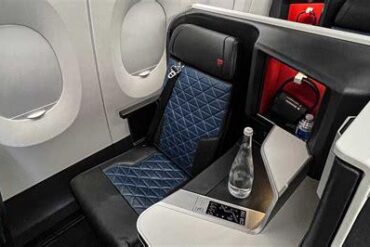
Passengers stepping into a newly refurbished aircraft encounter warmer color palettes, tactile materials, and lighting systems designed around the phases of flight. Instead of a purely functional cabin, the airline wants to create something closer to a controlled atmosphere—an engineered environment aimed at improving comfort, sleep quality, and overall perception of the brand.
This design philosophy emphasizes sensory experience. The airline is investing heavily in materials that feel different to the touch, lighting that mimics natural rhythms, and subtle technological upgrades that quietly modernize the cabin.
A Cabin Built Around Comfort, Texture, and Technology
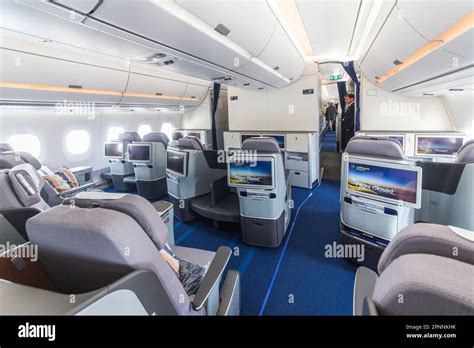
Modern aircraft cabins increasingly resemble carefully orchestrated ecosystems rather than simple seating layouts. Delta’s new A350 interiors reflect this shift.
At the heart of the redesign is an emphasis on tactile comfort. Seats across multiple cabins now feature memory-foam cushions, breathable textiles, and updated upholstery materials designed to regulate temperature more effectively during long flights. Pressure points—an issue that becomes painfully obvious on flights exceeding ten hours—are reduced through new cushion designs and subtle ergonomic refinements.
Lighting technology is also undergoing a transformation. Delta’s A350s will feature phase-of-flight mood lighting programs, a system that adjusts cabin illumination depending on the stage of the journey.
Warm, amber tones dominate during meal services to create a relaxed dining atmosphere. Soft sunset hues gradually transition into dim nighttime lighting, while gentle morning illumination helps passengers wake naturally. The concept borrows from research on circadian rhythms—the internal biological clocks that govern sleep cycles.
Long-haul flights across multiple time zones can wreak havoc on these rhythms. Airlines cannot eliminate jet lag entirely, but subtle lighting cues can help mitigate its effects by nudging passengers’ bodies toward the destination time zone.
Technological upgrades complement the sensory changes. The new cabins introduce:
- USB-C charging ports
- Wireless charging capabilities
- Bluetooth connectivity for personal headphones
- An accessible grayscale flight map designed for visually impaired travelers
Individually, these upgrades might appear incremental. Collectively, they create a noticeably more modern digital environment onboard.
Why Delta Needed to Fix Its A350 Inconsistency Problem
The most pressing reason for the retrofit program lies in fleet inconsistency, particularly among A350 aircraft acquired from LATAM Airlines.
Delta inherited several A350s when LATAM restructured its fleet strategy. These aircraft arrived configured in a high-density 339-seat layout, designed for a very different operational philosophy.
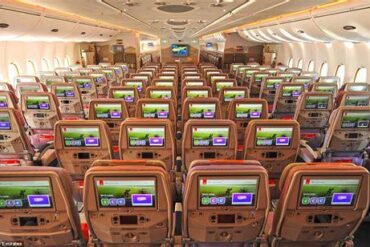
That configuration prioritized capacity over premium seating. While it worked well for LATAM’s network, it clashed with Delta’s brand positioning.
For passengers booking a Delta flight, landing on one of these ex-LATAM aircraft produced a noticeably different experience. The cabins looked different, the seat types differed, and the premium offering felt diluted compared to Delta’s flagship standards.
Consistency is crucial in airline branding. When passengers pay for a premium ticket, they expect the same experience every time.
The retrofit program solves that problem by standardizing the entire A350 fleet under a unified configuration.
The Shift From 339 Seats to a Premium-Focused 275-Seat Layout
Perhaps the most dramatic change in Delta’s A350 redesign is the shift from 339 seats to a 275-seat configuration.
Reducing seat count might sound counterintuitive in a capacity-driven industry. Airlines often try to squeeze as many seats as possible into an aircraft. Delta, however, is pursuing the opposite strategy.
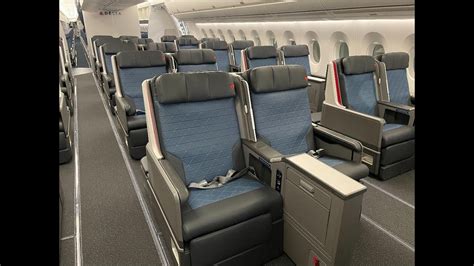
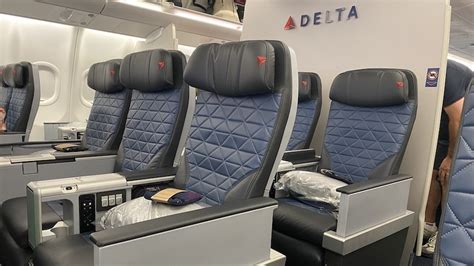
The new layout allocates more space to premium cabins, particularly Delta One business class and Delta Premium Select premium economy.
The reconfigured aircraft includes:
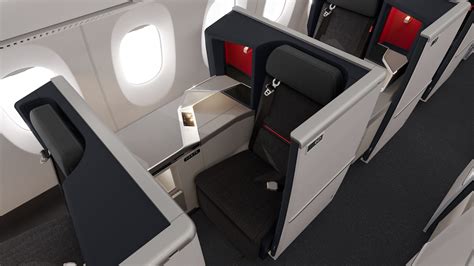
- 40 Delta One suites
- 40 Premium Select seats
- 195 seats in the main cabin
This structure reflects a broader industry trend: premium cabins generate significantly higher revenue per square foot than standard economy seating.
A single business-class passenger can produce the same revenue as several economy passengers combined. Increasing premium capacity therefore boosts revenue potential even while reducing the total number of seats.
For long-haul routes—especially transpacific flights—this economic logic becomes even stronger.
Ultra-Long-Haul Routes Demand Better Cabins
Delta’s Airbus A350 fleet plays a central role in the airline’s longest and most demanding routes. Flights connecting North America with Asia, Southern Africa, and other distant regions can stretch beyond 14 hours.
On these marathon journeys, passenger comfort becomes a competitive weapon.
Premium cabins matter more on ultra-long flights because travelers value rest, privacy, and space far more when they are confined to an aircraft for half a day. Business travelers and high-spending leisure passengers are often willing to pay substantial premiums for that comfort.
The redesigned A350 cabins therefore aim to create an environment where sleep quality, personal space, and service flow are optimized.
More premium seats also allow Delta to capture a larger share of the lucrative long-haul market.
Improving Operational Efficiency Through Cabin Design
Interior design might seem unrelated to operational performance, yet the two are closely connected.
Cabin layouts influence everything from boarding times to onboard service flow. A poorly configured aircraft can create bottlenecks at overhead bins, lavatories, and galleys.
Delta’s redesigned A350 cabins attempt to reduce those friction points.
Premium-heavy layouts naturally distribute passengers more evenly across the aircraft, which helps reduce congestion during boarding and deplaning. Fewer economy seats also mean fewer passengers competing for shared amenities.
Crew spaces have been redesigned as well. Galleys, jump seats, and rest areas have been optimized to improve workflow and comfort.
That might sound like an internal improvement with little passenger impact. In reality, crew efficiency directly influences service quality. When flight attendants can move more easily through the cabin and access equipment faster, the overall onboard experience becomes smoother.
The airline is essentially treating the cabin as a finely tuned operating system rather than a static interior.
A Revenue Strategy Hidden Inside Interior Design
Airline cabins are not simply about aesthetics; they are also financial engines.
Premium seating plays an increasingly central role in airline economics. Delta One and Premium Select seats generate far higher margins than economy seats, helping the airline maintain profitability even when economy demand fluctuates.
This strategy becomes particularly valuable during economic downturns. Corporate travel may dip temporarily, but high-end leisure travelers and loyalty program members often continue flying in premium cabins.
Delta’s redesign therefore supports a broader financial objective: improving revenue per available seat mile (RASM)—a critical metric in airline profitability.
By increasing premium capacity, the airline boosts the average value of every flight while reducing reliance on lower-yield economy tickets.
The move also strengthens the airline’s loyalty ecosystem. Elite travelers and co-branded credit card holders are far more likely to remain engaged with a program that offers upgrade opportunities and premium award availability.
Competing With Global Premium Airlines
The international aviation market has become fiercely competitive at the high end. Airlines from Asia, the Middle East, and Europe have spent years investing heavily in premium cabins.
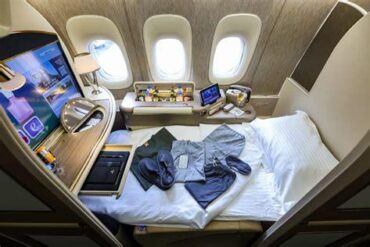
Carriers such as Singapore Airlines, Qatar Airways, and Emirates have raised passenger expectations dramatically. Sliding doors, luxurious bedding, and sophisticated cabin design are now standard features in the upper tiers of long-haul travel.
For U.S. airlines, matching those standards is essential.
Delta’s A350 retrofit program represents part of a broader effort to close the experiential gap between American carriers and the world’s top premium airlines.
Better cabins help secure lucrative corporate contracts and strengthen the airline’s appeal to high-spending travelers.
A Unified Brand Experience Across Aircraft Types
Brand consistency is one of the quiet advantages of Delta’s redesign strategy.
Passengers traveling internationally may connect across multiple aircraft types during a single journey. Without careful planning, that journey could involve dramatically different cabin environments.
Delta’s new design language ensures that textures, lighting patterns, seat finishes, and visual elements remain recognizable across aircraft fleets.
The goal is subtle psychological reinforcement. When travelers encounter the same visual and tactile cues across different flights, the airline’s brand identity becomes stronger.
The cabin begins to feel less like a temporary transport space and more like an extension of the airline itself.
That type of brand cohesion may seem abstract, but it plays a major role in customer perception and loyalty.
Why Retrofitting Young Aircraft Makes Strategic Sense
The Airbus A350 is still a relatively young aircraft in Delta’s fleet. From a purely mechanical standpoint, the cabins could have remained untouched for many years.
Yet waiting would have prolonged the inconsistency problem and delayed the airline’s broader premium strategy.
Retrofitting early allows Delta to accelerate the transition toward a unified long-haul product, ensuring that every A350 meets the same design and service standards.
It also prepares the fleet for the airline’s next phase of network expansion.
Delta has been steadily growing its long-haul footprint, particularly on routes requiring exceptional range and payload performance. The A350, with its advanced aerodynamics and efficient engines, is perfectly suited to these missions.
By pairing that advanced airframe with a modernized cabin, the airline ensures that the aircraft delivers maximum value both operationally and commercially.
The Strategic Logic Behind Delta’s A350 Transformation
Seen in isolation, retrofitting young aircraft might look extravagant. Viewed through the lens of airline strategy, the logic becomes clear.
Delta is aligning several objectives at once:
- Standardizing the passenger experience
- Increasing premium seating capacity
- Enhancing long-haul passenger comfort
- Strengthening revenue performance
- Reinforcing brand identity
The Airbus A350 sits at the center of Delta’s long-haul ambitions. Transforming its cabins ensures the aircraft can support those ambitions for years to come.
Airline cabins may appear static to passengers, but behind the scenes they are constantly evolving laboratories of economics, psychology, and design.
Delta’s A350 retrofit program demonstrates how even a modern aircraft can be reengineered to serve a changing market—one where premium experience, technological refinement, and operational efficiency increasingly define success in the skies.