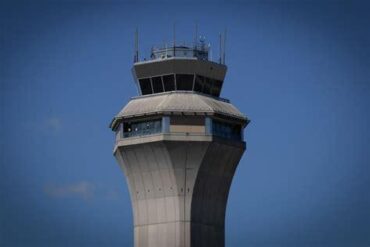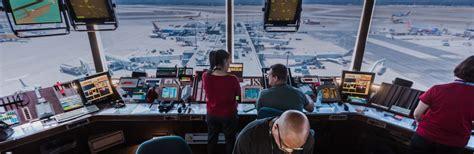
The United States is attempting something that sounds almost paradoxical: completely rebuilding one of the world’s most complex aviation systems without pausing a single flight. At the center of this effort is the Federal Aviation Administration (FAA), tasked with modernizing air traffic control (ATC) infrastructure that, in many places, still relies on decades-old technology—including copper wiring, analog systems, and even paper-based workflows.
This transformation is not just a technological upgrade. It is a high-stakes reinvention of how American airspace functions, with nearly 50,000 daily flights depending on a system that must remain operational every second of the process. The FAA’s plan is bold, expensive, and deeply intricate—and it is already underway.
The Fragile Backbone of U.S. Airspace
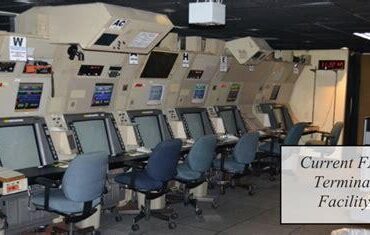
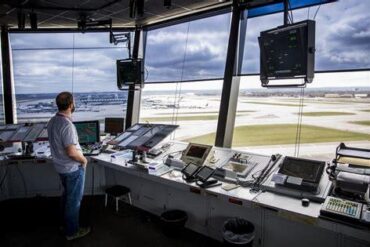
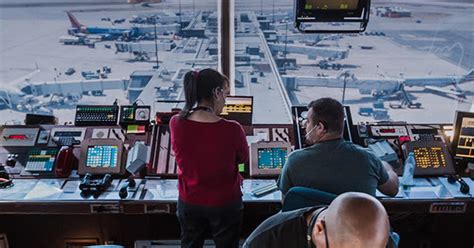
For years, the foundation of American ATC has been quietly aging behind the scenes. While passengers experience seamless boarding and inflight connectivity, the reality inside control towers and radar facilities has been far less modern. Controllers in some facilities still rely on paper flight strips, outdated radar displays, and communication systems that would feel at home in the late 20th century.
This technological stagnation has not gone unnoticed. Internal audits and external investigations have repeatedly highlighted vulnerabilities, including equipment failures, limited scalability, and increasing maintenance challenges. A significant portion of the FAA’s systems has already been classified as either unsustainable or nearing obsolescence, creating a growing risk as air traffic demand continues to rise.
The urgency intensified after a series of high-profile incidents exposed the cracks. System outages, screen blackouts, and communication failures revealed how fragile the infrastructure had become. These weren’t isolated glitches—they were symptoms of systemic strain.
When the System Blinked: The Newark Wake-Up Call
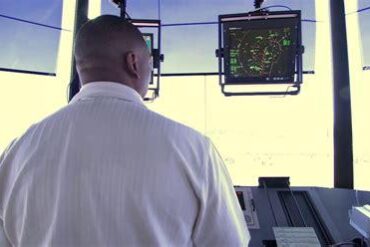
In April, a troubling episode at Newark Liberty International Airport forced the issue into the spotlight. Air traffic controllers experienced screen blackouts lasting up to 90 seconds, a terrifying lapse in an environment where every second counts. Controllers described the situation in stark terms, comparing it to driving a car without knowing when the brakes might fail.
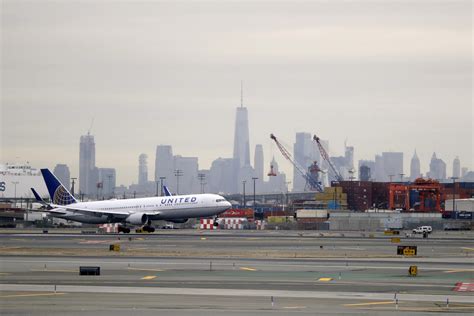
The psychological toll was immediate. Several controllers reportedly took trauma leave, underscoring how close the system had come to catastrophe. The root cause traced back to vulnerabilities within a regional radar approach control network, further emphasizing how interconnected—and fragile—the system truly is.
This incident did not occur in isolation. It was part of a pattern that had been building for years, culminating in a realization that incremental fixes were no longer enough. A full-scale modernization was no longer optional—it was inevitable.
A Tragic Catalyst for Change
Just months before the Newark incident, a far more devastating event occurred near Ronald Reagan Washington National Airport. A midair collision involving a regional jet and a military helicopter claimed dozens of lives, sending shockwaves through the aviation community.
Investigations revealed that controller workload and system limitations may have contributed to degraded performance. The tragedy intensified scrutiny on the FAA and accelerated political momentum for reform. Suddenly, modernization was no longer a technical discussion—it became a matter of national safety and accountability.
Billions Committed, But the Clock Is Ticking
The scale of the FAA’s modernization effort is staggering. Congress has already committed $12.5 billion, with an additional $20 billion requested to complete the transformation by 2028. These figures reflect not just the complexity of the system, but also the urgency of the mission.
The funding supports a sweeping range of upgrades, including:
- Replacement of legacy copper wiring with high-speed fiber optic networks
- Deployment of next-generation radar systems
- Introduction of digital communication platforms
- Transition from paper-based processes to fully electronic workflows
Yet even with this financial backing, the timeline remains aggressive. Large-scale infrastructure projects are notoriously prone to delays, and the FAA is attempting to execute this transformation without interrupting daily operations—a constraint that raises the difficulty exponentially.
Modernization in Motion: Progress So Far
Despite the challenges, tangible progress is already visible. Nearly half of the nation’s copper wiring network has been replaced, marking a critical step toward faster and more reliable data transmission. Hundreds of radio sites have been upgraded, and several control towers have begun using electronic flight strips, eliminating the need for paper-based coordination.
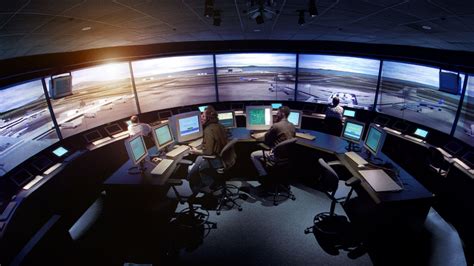
These early milestones may seem incremental, but they represent foundational changes. Each upgraded component strengthens the system’s resilience and prepares it for the next phase of transformation.
Still, the numbers reveal a sobering reality. Many initiatives remain in their infancy. For example, only a small fraction of planned radar installations has been completed, and several large-scale systems are still in development. The modernization effort is not a sprint—it is a multi-year marathon with no pause button.
The Core Strategy: Replace Without Disrupting
The FAA’s central challenge is deceptively simple: how do you rebuild a system that cannot be turned off?
The answer lies in a carefully orchestrated strategy of phased upgrades and redundancy. Instead of shutting down entire facilities, the FAA is modernizing the system piece by piece, ensuring that backup systems and alternative routes are always available.
At the heart of this approach is a new digital command center, designed to act as a central nervous system for the entire network. This facility will enable traffic managers to reroute flights in real time, allowing individual components to be taken offline for upgrades without affecting the broader system.
This capability is crucial. It transforms modernization from a disruptive overhaul into a controlled, continuous evolution, where changes can be implemented seamlessly behind the scenes.
“Think Slow, Act Fast”: The Philosophy Behind the Plan
FAA leadership has emphasized a guiding principle: “think slow, then act fast.” This approach prioritizes meticulous planning before execution, reducing the risk of unexpected failures during implementation.
In practice, this means:
- Extensive simulation and testing before deploying new systems
- Coordinated scheduling to avoid peak traffic disruptions
- Layered redundancy to maintain operational continuity
This philosophy reflects a recognition that in aviation, precision matters more than speed. A rushed upgrade could introduce new risks, undermining the very safety improvements the modernization aims to achieve.
The Role of Industry: Building the Future of ATC
The FAA is not undertaking this transformation alone. Private sector partners, including major defense and technology firms, play a critical role in designing and implementing the new system.
One key player is Peraton, tasked with serving as the prime integrator for the modernization effort. The company is responsible for developing the digital backbone that will connect various components of the new ATC system.
This collaboration highlights the increasing convergence of aviation, cybersecurity, and advanced computing. Modern ATC is no longer just about radar and radio—it is about data, networks, and real-time analytics.
A System Under Pressure: Rising Delays and Demand
Even without modernization, the current system is struggling to keep pace with demand. Flight delays have increased significantly over the past decades, with long delays becoming far more common than they were in the 1990s.
One contributing factor is the need for aircraft to maintain greater spacing due to system limitations. When technology cannot support optimal traffic flow, controllers must compensate by reducing capacity, leading to delays that ripple across the network.

Modernization promises to reverse this trend by enabling more precise tracking, faster communication, and better coordination. The result could be a system that not only handles current traffic more efficiently but also scales for future growth.
Lessons from the Past: Why Previous Efforts Fell Short
This is not the first attempt to modernize U.S. air traffic control. The FAA’s Next Generation Air Transportation System (NextGen) initiative, launched in 2007, aimed to achieve similar goals but faced significant delays and challenges.
Issues included:
- Insufficient stakeholder coordination
- Technological integration difficulties
- Budget overruns and shifting priorities
These setbacks offer valuable lessons for the current effort. The new approach places greater emphasis on integration, accountability, and phased implementation, reducing the risk of repeating past mistakes.
The Long Road Ahead
Despite early progress, the scope of remaining work is immense. Hundreds of radar systems, thousands of communication units, and dozens of facilities still require upgrades. Each component must be carefully integrated into the existing system, tested, and validated before going live.

The timeline is ambitious, with a target completion date of 2028. Achieving this goal will require sustained funding, effective coordination, and unwavering focus. Any delays could extend the process by years, increasing costs and prolonging reliance on outdated technology.
A Transformation Passengers May Never Notice
If the FAA succeeds, most passengers will never realize the scale of what has been accomplished. Flights will continue to depart and arrive as usual, with no visible sign of the massive transformation occurring behind the scenes.
And that is precisely the point.
The ultimate measure of success is not visibility—it is invisibility. A modernized ATC system should operate so smoothly that its complexity remains hidden, providing safer, more efficient air travel without disruption.
Conclusion: Rebuilding the Sky in Real Time
The FAA’s plan to modernize air traffic control without grounding flights is one of the most ambitious infrastructure projects in modern aviation. It requires simultaneous operation and transformation, a delicate balancing act where failure is not an option.
What makes this effort remarkable is not just its scale, but its precision. Every upgrade, every installation, and every line of code must fit seamlessly into a system that never stops moving.
The stakes are enormous: safety, efficiency, and the future of air travel in the United States. If successful, this modernization will redefine how airspace is managed, setting a new global standard for aviation infrastructure.
And it will all happen while the planes keep flying.