The contradiction is almost surreal: aircraft equipped with cutting-edge avionics, navigating with satellite precision and real-time data streams, entering an airspace still dependent on eight-inch floppy disks and handwritten paper strips. In 2026, the United States air traffic control system stands at a crossroads between legacy reliability and urgent modernization. The gap between cockpit sophistication and ground-based infrastructure has become impossible to ignore—and increasingly risky.
For decades, the Federal Aviation Administration (FAA) operated under a philosophy that prized stability above all else. If a system worked, even if it looked like a relic from a museum, it stayed. That mindset kept American skies safe through exponential growth in air travel, but it also quietly locked the system into a technological time capsule. Now, with traffic density rising and delays costing billions, the cost of standing still has begun to outweigh the risks of change.
The result is one of the most ambitious infrastructure overhauls in aviation history: a $12.5 billion investment aimed at dragging the backbone of American airspace into the digital age. This is not a cosmetic upgrade—it is a complete reengineering of how flights are tracked, managed, and communicated across one of the busiest skies on Earth.

Why America’s Air Traffic Control Fell Behind
The persistence of 1980s-era technology in such a critical system isn’t a story of neglect—it’s a story of caution taken to its extreme. Air traffic control is not an industry where experimentation is welcomed lightly. Every system must function flawlessly, every second of every day. Unlike consumer technology, upgrades cannot involve downtime, reboots, or trial-and-error deployment.
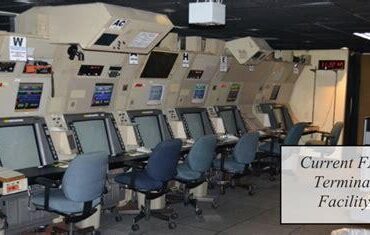
That constraint created a paradox. While the world raced forward—from early personal computers to cloud computing—the infrastructure managing U.S. airspace remained largely frozen. Systems built around magnetic storage, analog communications, and physical tracking methods continued operating because they were proven, predictable, and deeply understood by generations of controllers.
But stability came at a cost. Replacement parts for legacy hardware became increasingly scarce, forcing agencies to hunt through secondary markets and even auction houses for components. Engineers were maintaining systems that manufacturers had abandoned decades ago. In some cases, expertise itself became a bottleneck, as technicians familiar with these technologies approached retirement.
The consequences ripple far beyond inconvenience. When outdated hardware fails, it doesn’t just slow down operations—it can cascade into widespread delays across the national network. In an ecosystem where thousands of flights depend on synchronized timing, even minor disruptions can escalate into economic losses measured in billions.
The Paper Trail Still Guiding the Skies
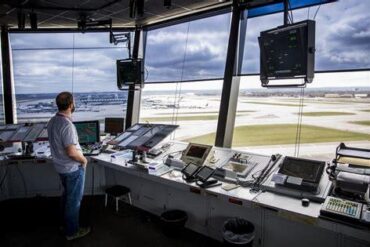
Inside many control centers, the process of managing flights still involves physical paper strips—small, handwritten notes that track aircraft altitude, route, and handoffs between sectors. These strips are arranged manually on boards, moved by hand as planes progress through controlled airspace.
It’s tactile, intuitive, and astonishingly outdated.
The reliance on paper introduces a fundamental limitation: information does not update automatically. If one controller makes a change, that update must be communicated verbally to the next controller, often over analog radio channels prone to static or overlap. In high-traffic regions, this creates a constant risk of miscommunication.
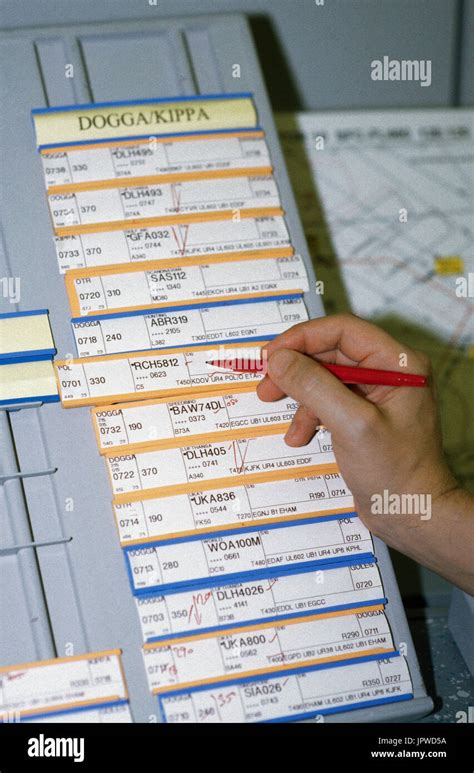
The system works—until it doesn’t. A misplaced strip, a misunderstood instruction, or a delayed update can create discrepancies between what pilots believe and what controllers see. Investigations into near-miss incidents have repeatedly highlighted these gaps, where slight differences in data led to dangerous situations.
At the heart of the issue is a lack of synchronization. Modern aviation demands real-time data sharing across multiple nodes, but the legacy system operates more like a relay race, with humans passing information step by step. It’s effective under ideal conditions, but increasingly fragile as traffic volume intensifies.
The Digital Divide Between Cockpit and Control Tower
Modern aircraft are technological marvels. Jets process vast streams of data, integrating weather, navigation, fuel efficiency, and traffic awareness into seamless flight management systems. Pilots operate within a highly automated environment that continuously updates in real time.
Then they enter U.S. airspace—and encounter a system that often requires manual data entry on the ground.
This disconnect creates inefficiencies that are both operational and psychological. Pilots accustomed to digital precision must rely on voice instructions that may lag behind real-world conditions. Controllers, meanwhile, act as intermediaries, translating advanced avionics data into formats compatible with aging infrastructure.
The result is an unnecessary human bottleneck in a system that should be fully integrated. Every manual step introduces latency. Every delay increases workload. And every additional layer of interpretation raises the risk of error.
A $12.5 Billion Reset: Rebuilding the System from the Ground Up
Recognizing the growing risks, lawmakers approved a $12.5 billion funding package to kickstart a complete modernization effort. This initiative represents more than just replacing old hardware—it’s a fundamental shift in strategy.
Instead of relying solely on internal development, the FAA is embracing partnerships with specialized private firms capable of delivering ready-to-deploy solutions. This approach is designed to accelerate progress, bypassing the slow cycles that plagued previous modernization attempts.
The goal is aggressive: compress nearly a decade of upgrades into just two and a half years.
This isn’t incremental improvement—it’s a full-scale transformation. Legacy systems based on floppy disks and analog signals will be replaced with digital architecture built around high-speed storage, cloud redundancy, and real-time synchronization. Every controller, across every facility, will operate on the same data at the same moment.
From Analog Chaos to Digital Precision
The new system introduces a suite of technological upgrades that redefine how air traffic control operates:
- Data Storage: Transition from floppy disks to solid-state drives and cloud-based backups ensures near-instant data access and recovery.
- Flight Tracking: Digital touchscreens replace paper strips, enabling dynamic updates and seamless coordination between sectors.
- Communication: Analog radios give way to digital VoIP systems, delivering crystal-clear audio and integrated data streams.
- Radar Processing: Legacy processors are replaced with high-speed digital units capable of tracking more targets with greater accuracy.
These changes aren’t just upgrades—they eliminate entire categories of risk. The manual steps that once created delays and inconsistencies are removed entirely, replaced by automated systems that synchronize instantly across the network.

Why Kansas Became the Heart of the Revolution
In a move that blends global expertise with domestic production, a new manufacturing hub has emerged in Olathe, Kansas. This 118,000-square-foot facility serves as the operational core of the modernization effort, producing critical components for the next-generation system.
The decision to establish production on U.S. soil addresses a key challenge: speed. By localizing manufacturing, the project avoids delays associated with international shipping and enables close coordination with regulatory authorities.
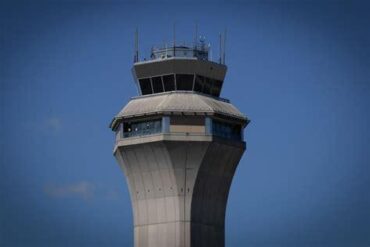
Inside the facility, engineers are building the digital backbone of the future system—radar processors, communication units, and integrated electronics designed to slot into existing infrastructure. Rather than replacing entire towers, the strategy focuses on upgrading internal components, dramatically reducing cost and deployment time.
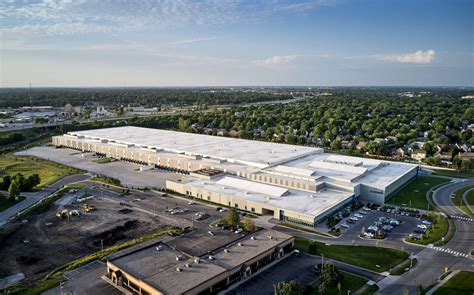
This hybrid approach—modernizing from within—allows the FAA to preserve existing physical structures while transforming their capabilities. It’s a pragmatic solution that balances innovation with efficiency.
The Race Against Time: A Two-Year Transformation
Perhaps the most audacious element of the initiative is its timeline. Projects of this scale typically span nearly a decade, yet the FAA aims to complete the overhaul in just two and a half years.
Achieving this requires more than funding—it demands a complete rethinking of procurement and deployment. Bureaucratic bottlenecks that once slowed progress are being dismantled, replaced by streamlined processes designed for rapid execution.
At the center of this effort is the rollout of 25,000 digital ground-to-air radios. These devices represent a quantum leap in communication technology, capable of handling multiple data streams simultaneously while delivering unmatched audio clarity.
Unlike their analog predecessors, digital radios eliminate static, reduce miscommunication, and enable the transmission of supplementary data alongside voice instructions. In congested airspace, this clarity can mean the difference between seamless coordination and dangerous confusion.
Modernizing the Eyes of the Sky
Beyond communication, the overhaul extends to radar systems—the core sensors that allow controllers to “see” aircraft in flight. More than 600 radar stations across the country are slated for upgrades, replacing outdated processing units with advanced digital hardware.
This transformation dramatically improves accuracy and reduces latency. Controllers will gain access to near real-time data, allowing for tighter aircraft spacing and more efficient routing. In practical terms, this means fewer delays, optimized flight paths, and increased capacity without compromising safety.
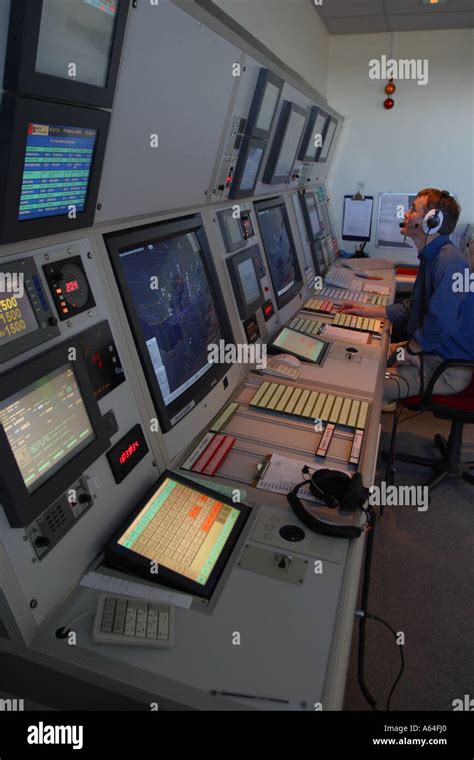
The implications are profound. By reducing the need for large safety buffers caused by system lag, the new technology unlocks additional capacity within existing airspace—a critical advantage as global air travel continues to grow.
Economic and Operational Impact
The modernization of air traffic control is not just a safety initiative—it’s an economic imperative. Delays caused by outdated systems cost airlines, passengers, and the broader economy billions each year. Every minute of inefficiency compounds across thousands of flights.
By streamlining operations and reducing bottlenecks, the new system promises significant cost savings. Faster routing, improved coordination, and reduced delays translate into lower fuel consumption and increased airline profitability.
For passengers, the benefits are equally tangible: fewer delays, smoother connections, and a more predictable travel experience.
The Hidden Challenge: Upgrading Without Stopping
Replacing the infrastructure of a live air traffic control system is akin to performing open-heart surgery on a marathon runner. The system cannot pause. Flights must continue operating safely throughout the transition.
This constraint introduces a level of complexity rarely seen in infrastructure projects. Equipment must be installed, tested, and integrated without disrupting ongoing operations. Redundancies must be maintained at every stage to ensure uninterrupted service.
The success of the initiative hinges not just on technology, but on execution. Coordination between engineers, controllers, and regulators must be flawless.
A Glimpse Into the Future of Airspace
When the transformation is complete, the U.S. air traffic control system will bear little resemblance to its predecessor. Paper strips and floppy disks will be relics, replaced by a unified digital ecosystem that operates with precision and speed.
Controllers will manage flights through intuitive interfaces, supported by real-time data and automated systems. Communication will be clear, consistent, and integrated. Radar will provide a seamless, high-resolution view of the sky.
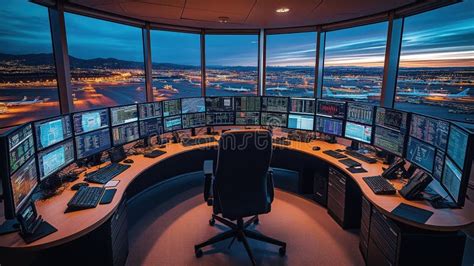
This isn’t just modernization—it’s a reinvention of how airspace is managed.
From Legacy to Leadership
For years, the United States lagged behind other regions in adopting digital air traffic control technologies. This initiative changes that narrative, positioning the country at the forefront of aviation infrastructure.
The shift also reflects a broader lesson: innovation is not just about creating new technology, but about having the courage to replace what no longer serves its purpose. The persistence of floppy disks in one of the world’s most advanced industries is a reminder that progress is not automatic—it must be pursued deliberately.
As the deadline approaches, the stakes remain high. Success will redefine the safety and efficiency of American skies for decades. Failure would reinforce the very challenges the initiative seeks to overcome.
But for the first time in years, the trajectory is clear. The era of analog air traffic control is ending, and a new digital horizon is rapidly coming into view.