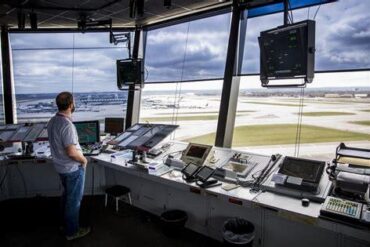
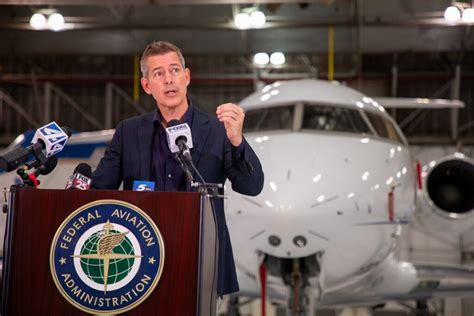
The Federal Aviation Administration (FAA) is embarking on its most ambitious air traffic control overhaul in decades, with Administrator Bryan Bedford declaring the current system “unacceptable” and announcing a sweeping modernization plan aimed at transforming U.S. aviation infrastructure. Speaking at the EAA AirVenture Airshow in Oshkosh, Wisconsin, on July 24, 2025, Bedford underscored the urgency of replacing decades-old equipment and addressing systemic inefficiencies that threaten safety, reliability, and future capacity.
Why U.S. Air Traffic Control Is Falling Behind
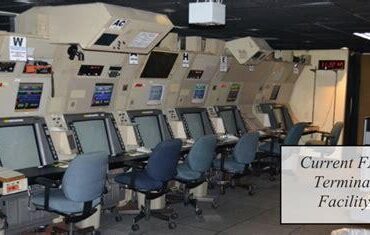
For more than 40 years, America’s air traffic control (ATC) network has operated with only incremental updates, leaving it ill-prepared for the demands of modern airspace. Bedford emphasized that the aging radar-based infrastructure and legacy systems are inadequate to handle the complex realities of 21st-century aviation, particularly as air traffic volumes continue to surge. Delays, inefficiencies, and growing safety concerns have become hallmarks of a system that lags behind international peers who have adopted satellite-based navigation and advanced traffic management solutions.
The FAA’s infrastructure woes are compounded by a persistent shortage of qualified air traffic controllers. These highly skilled professionals face mounting workloads as demand outpaces staffing growth, leading to operational strain and higher risk of errors. Bedford’s remarks made clear that technology upgrades alone cannot succeed without addressing the human capital crisis.
A $12.5 Billion First Step Toward Transformation
In response to these challenges, Congress has approved $12.5 billion in funding over the next five years to jump-start modernization efforts. This investment targets five core areas:
- Infrastructure Upgrades – Replacing antiquated radar with satellite-based surveillance, deploying automated tools, and reinforcing system resilience.
- Technology Integration – Incorporating artificial intelligence, automation, and predictive analytics to improve traffic flow and decision-making.
- Workforce Development – Expanding recruitment and training programs to bolster the controller workforce and strengthen leadership within the FAA.
- Safety Enhancements – Leveraging data-driven insights and automated safeguards to reduce human error.
- Sustainability Initiatives – Optimizing flight routes and reducing delays to lower aviation’s carbon footprint.
Despite this historic funding boost, the administration argues that an additional $19 billion will be required to fully modernize the system, citing the long-term costs of integrating cutting-edge technologies and redesigning U.S. airspace for maximum efficiency.
The Technological Leap Ahead
Bedford’s vision for modernization centers on replacing the radar-centric NextGen system with a satellite-based navigation network, which will allow for more precise aircraft tracking, flexible flight routing, and greater airspace capacity. This shift is expected to reduce congestion, streamline operations, and enhance safety. Artificial intelligence and automation will play pivotal roles in managing complex traffic patterns, predicting delays, and assisting controllers in high-pressure situations.
Equally significant is the integration of real-time analytics into daily operations. These tools will empower controllers and airlines to make faster, data-informed decisions, mitigating disruptions before they escalate into cascading delays.
Addressing the Human Factor: Fixing the Staffing Crisis
Modernization cannot succeed without tackling the human resource bottleneck. Air traffic controllers are the backbone of the system, yet staffing levels remain critically low. Bedford announced plans to launch a strategic workforce expansion, including fast-tracked training programs, competitive recruitment packages, and investments in leadership development. The FAA aims to ensure that every major facility is adequately staffed and prepared for the challenges of next-generation aviation.
What This Means for Airlines and Passengers
For travelers, modernization promises a future of fewer delays, smoother routes, and improved on-time performance. By eliminating legacy inefficiencies, the FAA hopes to deliver a more predictable and reliable travel experience. Airlines stand to benefit from lower operational costs, optimized fuel use, and increased schedule flexibility—all of which can translate into cost savings and enhanced customer service.
A Five-Year Roadmap for Change
The FAA’s overhaul plan will be executed in phases over the next five years, prioritizing high-traffic corridors, key radar replacement projects, and the phased rollout of satellite-based traffic management. Airlines, airports, and industry stakeholders will be closely involved in implementing the upgrades, ensuring that modernization efforts align with operational realities.
This roadmap also includes a national airspace redesign, a bold initiative to reorganize routes for efficiency and safety. Such restructuring could significantly cut flight times, reduce congestion over major hubs, and lower greenhouse gas emissions from aircraft idling and rerouting.
Challenges Ahead
Despite the strong start, modernization faces hurdles. The funding gap remains a contentious issue, as stakeholders debate how to secure the additional $19 billion needed. There are also concerns about ensuring a smooth transition from legacy systems to new technologies without disrupting daily operations. Integrating AI and automation will require balancing efficiency gains with maintaining human oversight for safety.
A Defining Moment for U.S. Aviation
Bedford’s remarks represent more than a critique—they signal a turning point for American aviation. With global air traffic projected to grow rapidly over the next two decades, failure to modernize could leave the U.S. lagging behind international leaders who have already embraced cutting-edge ATC technologies.
The FAA’s modernization plan offers a pathway to reclaiming leadership in aviation management. By combining bold infrastructure upgrades, innovative technologies, and a revitalized workforce, the U.S. can create an air traffic control system worthy of the world’s busiest skies.
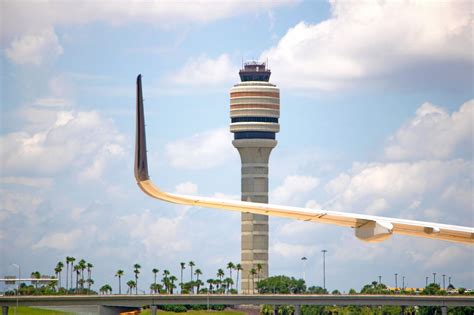
Conclusion: Building the Future of Air Travel
The FAA’s sweeping reforms are more than overdue—they are essential. With billions in funding secured and a comprehensive strategy in place, Bryan Bedford has charted a course toward a safer, more efficient, and sustainable air traffic management system. While challenges remain, the modernization effort is poised to reshape the future of U.S. aviation, delivering benefits that will be felt by airlines, airports, and passengers alike.
As these reforms unfold, industry observers and travelers will be closely watching the FAA’s progress. If successfully implemented, this overhaul will stand as one of the most transformative achievements in the history of American air travel.