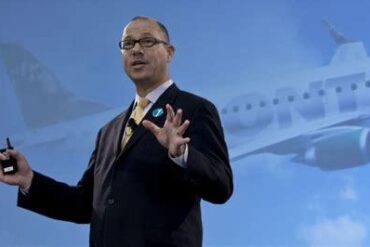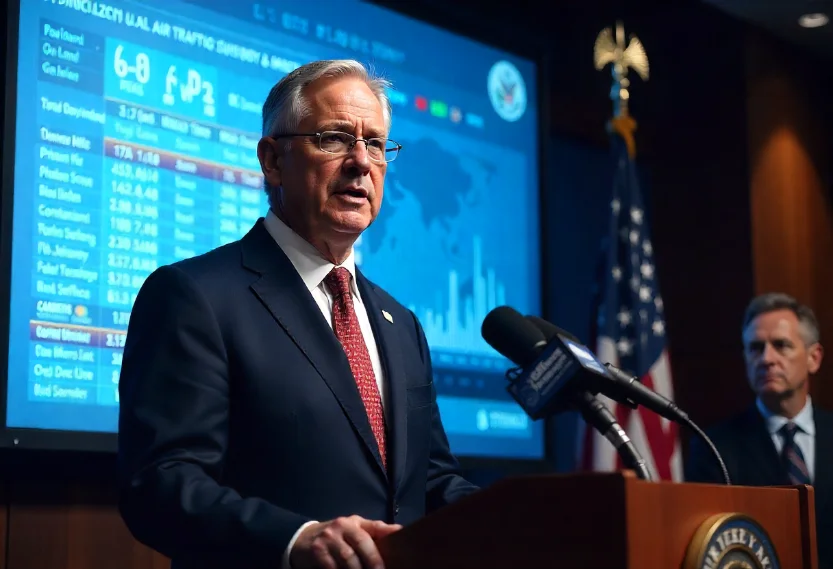
The Federal Aviation Administration (FAA) is at a pivotal crossroads. Newly appointed Administrator Bryan Bedford has issued a resounding call for a comprehensive overhaul of the U.S. air traffic control system, citing unacceptable conditions, rising safety concerns, and a chronic shortage of controllers. Speaking at the EAA AirVenture air show, Bedford’s remarks signaled a bold shift in direction for an agency long plagued by systemic inefficiencies, aging infrastructure, and governmental indifference.
Mounting Crises: Staffing Shortages Threaten Safety and Efficiency
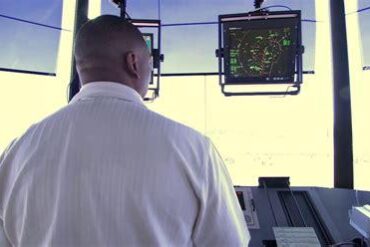
At the heart of the crisis is a critical shortfall of over 3,500 air traffic controllers, a deficit that has pushed the system to its limits. Many facilities are operating well below mandated staffing levels, forcing current employees to endure grueling schedules that often include six-day work weeks and mandatory overtime. This is not just an HR issue—it’s a direct threat to the safety of U.S. airspace.
The ramifications are already being felt. Controllers, under immense pressure, are experiencing heightened levels of burnout and fatigue, contributing to a series of alarming near-miss incidents and one catastrophic crash. The January tragedy near Reagan National Airport, which claimed 67 lives, has become a chilling emblem of what Bedford describes as a dangerously overextended system.
In a profession where split-second decisions determine the fate of hundreds of lives, the current workload is unsustainable. Bedford emphasized that without immediate action, the cascading effects of this staffing crisis could further erode the efficacy and reliability of the national airspace system.
A Long-Awaited Technological Overhaul
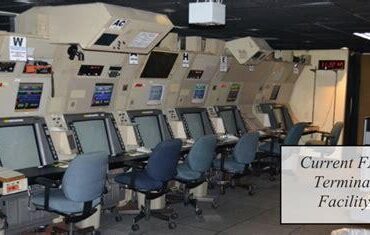
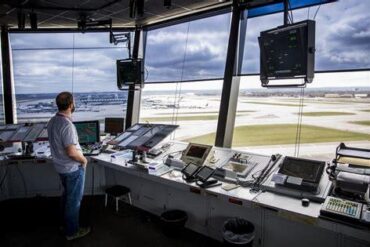
In response, the FAA has launched one of its most ambitious modernization plans in recent history. Congress has approved a $12.5 billion, five-year initiative to upgrade the technological backbone of the nation’s air traffic control system. These upgrades will target outdated radar systems, obsolete telecommunications infrastructure, and deteriorating control towers—many of which haven’t seen meaningful updates in over four decades.
Beyond congressional appropriations, Bedford referenced a pending $19 billion supplemental funding request submitted by the previous administration. These funds are earmarked for advanced technologies aimed at boosting both safety and efficiency, including automation systems, satellite-based navigation, and integrated traffic flow management tools.
Yet Bedford made it clear: money alone won’t fix the problem. “We need more than just a checkbook,” he asserted. “We need a transformation in culture, leadership, and accountability.”
The Cost of Leadership Neglect
Bedford did not mince words when evaluating the past. He sharply criticized the Biden administration’s disengagement with aviation policy, noting a “complete lack of interest” at the highest levels of government. His blunt assessment signals a break from the status quo and a renewed urgency to reclaim the FAA’s mission.
Despite inheriting an agency with deep-rooted structural issues, Bedford’s approach emphasizes transparency, collaboration, and decisive action. His remarks are a clarion call to the political establishment: aviation is not a secondary issue—it is a national priority.
Rebuilding the Workforce: Incentives and Innovation
To counter the workforce shortfall, the FAA has rolled out a series of new incentives aimed at both recruitment and retention. Enhanced benefits packages, competitive salaries, and streamlined career development pathways are being introduced to make the role of air traffic controller more appealing.
Importantly, the FAA is exploring partnerships with educational institutions to accelerate training pipelines. By collaborating with universities and technical colleges, the agency hopes to create regionally focused training programs that can respond more rapidly to localized shortages.
While these initiatives are promising, Bedford warned that results won’t come overnight. The training process for new controllers is complex and lengthy, often taking several years. Nonetheless, the structural groundwork being laid today is vital for ensuring the system’s long-term resilience.
Technology as a Force Multiplier
Modernizing the system isn’t just about replacing hardware—it’s about redefining operational efficiency. New technologies will enable controllers to manage greater volumes of traffic with increased precision, reducing the risk of miscommunication and human error.
The FAA’s modernization blueprint includes the deployment of:
- NextGen satellite navigation systems to replace outdated ground-based radar
- Automated conflict detection tools that assist controllers in high-traffic zones
- Real-time data sharing capabilities between aircraft and control centers
By integrating these technologies, the FAA aims to optimize route planning, reduce delays, and increase safety margins in increasingly congested airspace.
Cultural Reforms and the Restoration of Trust
Bedford stressed that technological upgrades must be accompanied by cultural reform within the FAA itself. A key aspect of this is rebuilding trust between leadership and frontline staff. Under previous administrations, a lack of engagement and poor communication contributed to low morale and disillusionment.
Bedford’s vision includes fostering an internal environment where feedback is valued, transparency is non-negotiable, and innovation is encouraged. These values are not merely rhetorical—they are essential to reshaping the FAA’s identity and mission.
Navigating Bureaucracy and Political Headwinds
Despite clear plans and unprecedented funding, Bedford faces an uphill battle in implementing change. The FAA’s sprawling bureaucracy, coupled with resistance from entrenched interests, poses significant challenges. Additionally, interagency coordination, particularly with the Department of Transportation and Congress, remains a delicate balancing act.
Nevertheless, there is cautious optimism. Industry stakeholders, including airlines, pilot unions, and airport authorities, have largely welcomed Bedford’s reform agenda. The consensus is clear: the status quo is untenable, and meaningful transformation is overdue.
A Defining Moment for U.S. Aviation
The state of the U.S. air traffic control system is not just an internal agency issue—it is a matter of national infrastructure, public safety, and economic vitality. Delays, cancellations, and safety lapses are already costing the economy billions and undermining public trust.
Bedford’s bold stance and willingness to confront painful truths offer a much-needed infusion of leadership. His emphasis on accountability, modernization, and workforce sustainability charts a pragmatic yet ambitious path forward.
With foundational funding secured and reform initiatives underway, the FAA stands at the threshold of a new era in air traffic management. But the stakes are high. It will require not just policy changes, but a cultural renaissance and unwavering commitment at every level of the aviation ecosystem.
Conclusion: Reclaiming America’s Aviation Leadership
The U.S. once led the world in air traffic control innovation. Today, it lags behind due to decades of neglect, underfunding, and leadership voids. Bryan Bedford’s arrival marks a potential turning point.
The FAA’s future now depends on the success of its sweeping reforms—from overhauling technology and rebuilding its workforce, to restoring institutional trust and navigating political inertia. The road ahead is long, but the direction is clear.
If the FAA can deliver on Bedford’s vision, it won’t just fix a broken system—it will lay the groundwork for an air traffic control renaissance that reclaims America’s position as a global aviation leader.