The United States air traffic control (ATC) system is on the brink of its most transformative upgrade in decades. Plagued for years by outdated equipment, chronic staffing shortages, and system blackouts, the nation’s aviation infrastructure has faced mounting pressure to modernize. Now, with a historic $32.5 billion contract awarded to technology and national security firm Peraton, a bold new chapter begins—promising sweeping changes that could reshape how American airspace is managed.
Why the Current System Is Failing
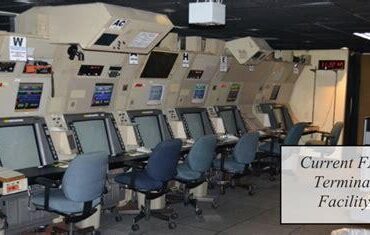
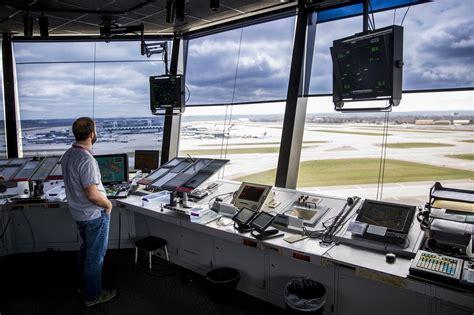
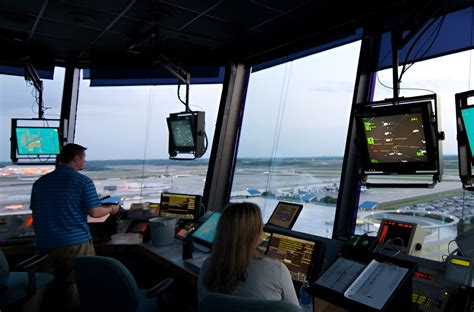
The limitations of the U.S. ATC system are no longer theoretical—they are felt daily by travelers and airlines alike. Flight delays have become routine, with 2025 registering three times more ATC equipment-related delay minutes than the average from the previous decade. Technological infrastructure across many facilities still relies on decades-old copper wiring, aging radar systems, and analog communication tools. When the Philadelphia TRACON facility experienced multiple blackouts impacting Newark operations, it revealed just how vulnerable the system had become.
Even routine events like a sick call from a controller can cripple operations at leanly staffed towers. For smaller carriers like JetBlue, which rely heavily on specific regional hubs, these breakdowns can spell disaster.
Peraton’s Massive Modernization Mission
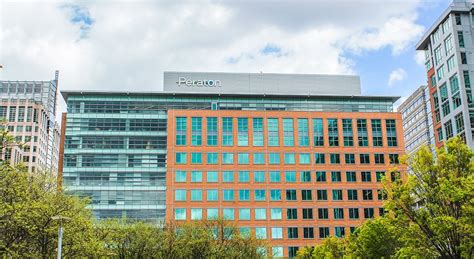
In an unprecedented move, the U.S. Department of Transportation (DOT) and the Federal Aviation Administration (FAA) awarded Peraton a contract to serve as the Prime Integrator for the ATC modernization initiative. This designation gives the private Virginia-based firm authority to oversee all aspects of project delivery, including planning, coordination, integration, and performance monitoring. Traditionally, the FAA would play this supervisory role, but this shift reflects the project’s urgency and scale.
The deal includes a $12.5 billion down payment, backed by President Donald Trump’s “One Big Beautiful Bill,” with the remaining funds requiring future Congressional approval. With expectations to complete the modernization by end of 2028, the contract also includes performance incentives and penalties—another rare structure in federal aviation contracts.
What the Upgrade Will Include
The FAA’s modernization blueprint is both expansive and granular, with the goal of transforming virtually every facet of the ATC infrastructure. Among the core upgrades are:
- 27,625 new radios to replace outdated analog communications.
- 435 towers equipped with new Enterprise Information Display Systems.
- 462 digital voice switches.
- Upgraded radars at 612 locations.
- 200 airports getting new Surface Awareness Initiative surveillance systems.
- New high-speed network connections at over 5,000 sites (fiber, satellite, and wireless).
- New Tower Simulation Systems at 113 towers to aid in controller training.
- Replacement of surface radars at 44 airports.
- A new consolidated Air Route Traffic Control Center (ARTCC)—the first in nearly 60 years.
- A new consolidated TRACON (Terminal Radar Approach Control) facility.

Notably, the modernization also focuses on remote regions such as Alaska, which will receive 110 new weather stations and 64 new weather camera sites, helping pilots navigate the notoriously unpredictable northern skies more safely.
Peraton’s Credentials and Challenges Ahead
Peraton was selected not only for its technological pedigree but also for its successful history collaborating with federal agencies. Yet, the road ahead is fraught with logistical complexity and political dependencies. To succeed, Peraton will need to manage a vast network of subcontractors, manufacturers, and local airport authorities—simultaneously upgrading hundreds of facilities nationwide.
As retired controller James Gillman noted, this could finally provide “the connectivity and modernization that we’ve talked of for many, many decades.” However, others are less optimistic. Steve Meitz, another retired controller, expressed doubts, saying, “Three years is a pipe dream. The FAA’s track record is far from stellar.”
Why Timing and Funding Are Critical
Peraton’s timeline aligns with the end of President Trump’s term, adding political weight to the project’s deadlines. But large-scale government projects, especially in aviation, are notoriously susceptible to delays and cost overruns. While $12.5 billion is already secured, the remaining $20 billion requires Congressional approval, which may be delayed depending on Peraton’s early performance and political appetite for infrastructure spending.
Should delays occur, there’s a risk of fragmentation, where different facilities operate on mismatched systems, undermining the interoperability that modern aviation demands. This would create new vulnerabilities even as old ones are addressed.
The Staffing Crisis: A Parallel Emergency
Technology is only one piece of the puzzle. The United States is also grappling with a critical shortage of air traffic controllers. Towers at major airports often depend on mandatory overtime and six-day workweeks. Following the government shutdown that ended in late 2024, the FAA launched a plan to hire 8,900 controllers by 2028, partly by enhancing training at select aviation universities.
But training a controller takes years—not months—and burnout remains high. No amount of hardware upgrades will solve the problem if there aren’t enough qualified personnel to operate the systems.

Infrastructure Constraints at the Nation’s Busiest Airports
Beyond personnel and equipment lies a third issue: airport layout and design. Many of America’s legacy airports, especially in cities like New York and Chicago, were not built to accommodate the record-breaking flight volumes of modern aviation. Their runway configurations are inefficient, and expansion is constrained by urban development.
Even with better ATC systems and adequate staffing, these physical limitations cap capacity growth. That makes this modernization project not a magic bullet, but one essential step in a much larger aviation infrastructure overhaul.
A Political and Technological Balancing Act
The DOT and FAA are threading a difficult needle—ambitious modernization in a politically charged environment. Given the public frustration with delays, and heightened scrutiny after high-profile crashes and incidents, this project is as much about restoring public confidence as it is about upgrading machines.
However, for the aviation sector to thrive long-term, these efforts must be guided by technical necessity, not political optics. Industry veterans warn that rushing implementation to meet election cycle goals could jeopardize safety if systems are deployed before being properly vetted.
Conclusion: An Inflection Point for U.S. Aviation
The United States is at a historic crossroads in aviation infrastructure. For decades, incremental fixes and patchwork updates have kept the system running—but barely. The Peraton-led ATC modernization project offers a rare opportunity to leapfrog into a fully digital, high-capacity era of air traffic management.
If successful, it will mean fewer delays, greater safety, and enhanced flight efficiency across the country. But success will hinge on transparent oversight, sustained political will, and aggressive coordination across federal agencies and private partners.
The sky is quite literally the limit—but only if the vision of a modern, resilient, and future-ready ATC system can rise above the bureaucratic turbulence that has stalled progress for decades.