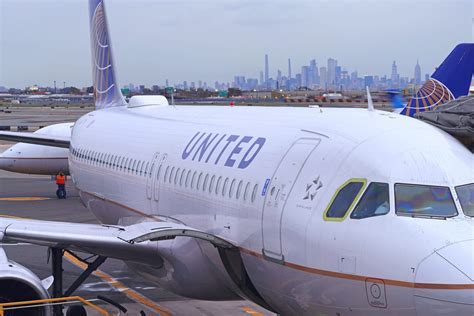
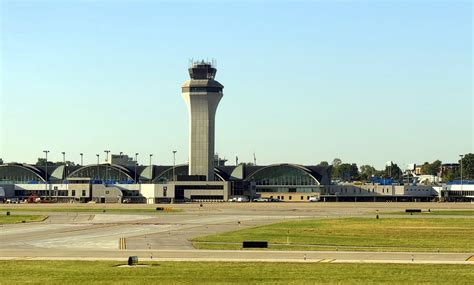
The recent communications failures at Newark Liberty International Airport have reignited grave concerns over the integrity and future of the U.S. air traffic control system. Twice in two weeks, radio outages left controllers unable to communicate with pilots—an occurrence that, had conditions been slightly different, could have resulted in catastrophe rather than just widespread delays. These events are not isolated incidents; rather, they are the latest manifestations of a deeply entrenched infrastructure crisis born from decades of systemic neglect.
Air Traffic Infrastructure: A System on the Brink
Handling over 50,000 flights daily, the U.S. airspace depends on a national air traffic control system that has not aged well. The April 28 communications failure at Newark lasted 90 seconds but disrupted the tightly timed ballet of arrivals and departures, forcing hundreds of flight cancellations and traumatizing many of the controllers on duty. Just days later, a radar screen blackout compounded fears of cascading system failures.
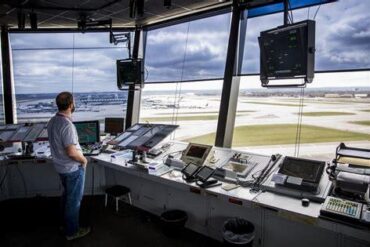
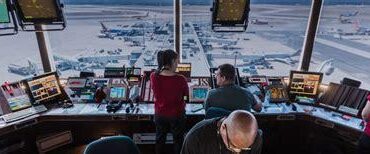
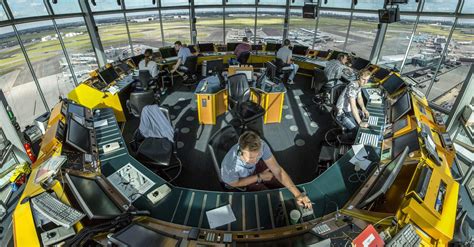
Such failures have become alarmingly routine. The U.S. Department of Transportation’s Inspector General found that staffing at 20 of the 26 most critical airports is below the 85% minimum required for safe operations. Controllers are often pushed to their limits, working 10-hour shifts, six days a week, sometimes with no reprieve following traumatic incidents like the Newark breakdowns.
Political Reckoning and a New Technological Push
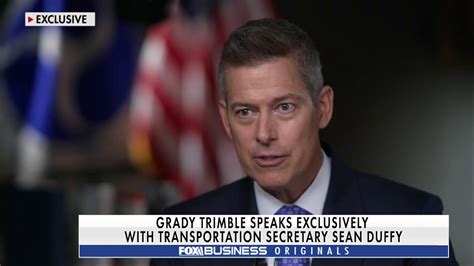
These failures forced political leaders to break their silence. Senator Charles Schumer labeled the system “really a mess,” and Governor Phil Murphy criticized the FAA’s long-term underinvestment and technological stagnation. In response, Transportation Secretary Sean Duffy, under the Trump administration, announced a sweeping modernization plan.
This ambitious plan would replace “antiquated telecommunications” with fiber optics, wireless, and satellite technologies across over 4,600 sites. Duffy declared, “We are blessed to have a president who actually loves to build and knows how to build,” signaling a bold, if politically charged, attempt to reverse the trajectory of decay.
Support and Skepticism in Equal Measure
The proposal received cautious praise. Both airlines and the National Air Traffic Controllers Association (NATCA) welcomed Duffy’s initiative. However, industry analysts were quick to temper optimism with historical perspective. The Modern Skies Coalition, an alliance of aviation experts and associations, noted: “We are pleased the secretary identified key priorities. But we’ve seen similar promises fail before.”
Indeed, previous efforts to upgrade the FAA’s technology have fallen short, often bogged down by bureaucracy, cost overruns, and political interference. The House Transportation Committee estimates it would take $12.5 billion to adequately upgrade the system, but Duffy’s plan may exceed even that figure.
The Human Cost: A Workforce in Crisis
Beyond aging software and hardware, the more acute issue is a national shortage of air traffic controllers. The FAA employs just under 10,800 certified professionals, but internal recommendations from the Collaborative Resource Workgroup suggest the need for at least 14,300. NATCA stresses that with over 2,000 controllers in training, ramping up hiring and retention must be prioritized.
However, the training pipeline is long and fragile. It takes 18 to 24 months to train a controller, with three or more years required for high-traffic environments like JFK and Newark. High dropout rates and retirements have driven an overall 10% decline in the workforce since 2012.
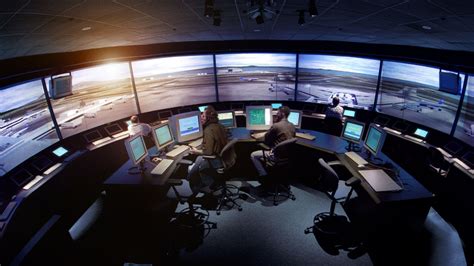
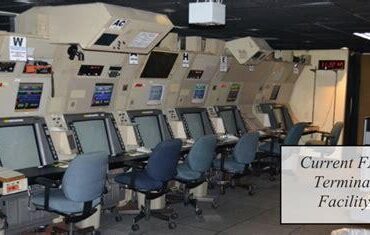
The stress of the job is legendary. Many new recruits fail to pass exams, and seasoned professionals often burn out. The COVID-19 pandemic only deepened this crisis, suspending training programs and draining a system already stretched thin. Jeff Guzzetti, former FAA investigator, warned, “It’s not just staff—our facilities still run on floppy disks and copper wiring. This is a 21st-century aviation system built on 1980s tech.”
Rooted in History: Reagan’s Firing of Controllers and Its Legacy
The seeds of today’s dysfunction stretch back to 1981, when President Ronald Reagan fired over 11,000 air traffic controllers during a strike. According to Sara Nelson, president of the Association of Flight Attendants, “That event disrupted the natural rhythm of staffing and institutional knowledge. We’ve been chasing stability ever since.”
This ideological shift, compounded by tax cuts and deregulation, eroded the foundations needed to maintain robust government infrastructure. Even when political will aligned, budget constraints and competing priorities routinely stalled progress. The result is a fragile system ill-prepared for today’s traffic and technological demands.
Repeated Failures, Growing Risks
Since August 2023, Newark has suffered at least two other communications blackouts. On May 1, an army helicopter forced two commercial jets to abort landings at Reagan National Airport. In January, the U.S. endured its deadliest aviation disaster since 2001, when a jet collided with an army helicopter—an incident that Trump controversially attributed to “diversity, equity and inclusion” even before investigations began.
A New York Times 2023 investigation revealed that near-miss incidents involving commercial aircraft happen several times a week, with 503 controller lapses reported between September 2022 and 2023. These figures underscore a sobering truth: the U.S. is flying close to the edge of a major disaster.
The Modernization Plan: Hopes and Hesitations
Duffy’s multi-pronged plan includes not just infrastructure overhauls but $5,000 hiring bonuses for new recruits who complete training. However, he has yet to reveal a precise cost breakdown or legislative path forward. The Government Accountability Office declared in 2023 that 51 of the FAA’s 138 systems were unsustainable, urging urgent action.
Joseph McCartin, a labor historian and expert on the 1981 strike, noted: “Since Reagan’s purge, the FAA has never regained a healthy rhythm. Despite some improvements, systemic issues remain unresolved.”
The Fight Ahead: Funding, Faith, and Federal Support
The big question now is whether Congress will fund Duffy’s vision. Robert W. Mann Jr., a leading aviation analyst, issued a stark warning: “Unless you address the root causes, no amount of spending will fix this.” Mann, however, emphasized that airline safety remains uncompromised—though passengers should expect significant delays when staffing collapses.
Meanwhile, Sara Nelson likens air traffic controllers to frontline healthcare workers during the pandemic. “They’re heroes in a system that’s falling apart. We owe them more than thanks—we owe them the tools and staffing they need.”
For those within the aviation industry, the Newark incidents are not just isolated malfunctions but harbingers of broader systemic failure. Without urgent, well-funded action, what occurred in Newark may soon repeat itself in Atlanta, Chicago, or Los Angeles—with consequences far more devastating than a delayed arrival.