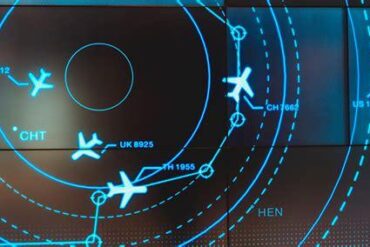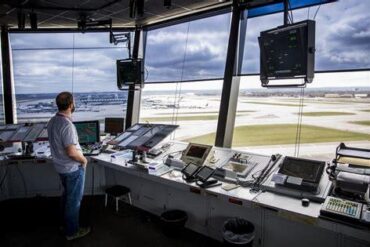
The Federal Aviation Administration (FAA) has announced an ambitious and long-overdue transformation of the United States’ air traffic control (ATC) infrastructure, pledging $6 billion to revamp telecommunications and radar systems within just three years. This investment is part of a sweeping modernization plan aiming to replace the nation’s “safe but old” National Airspace System (NAS) with cutting-edge technologies that enhance aviation safety, efficiency, and reliability.
A System Strained to the Brink: The Urgency of Modernization
For years, the NAS has drawn heavy criticism for relying on outdated hardware, antiquated radar systems, and an analog telecom backbone built on copper wiring. This fragile infrastructure has contributed to a rise in system outages, flight delays, near misses, and catastrophic incidents, including the tragic crash of American Eagle Flight 5342, which collided with a US Army helicopter near Washington D.C. in January, claiming 67 lives.
These systemic failures have alarmed both regulators and the public, prompting swift action from the U.S. Department of Transportation and the FAA. FAA Administrator Bryan Bedford emphasized the importance of rapid progress, stating before the House Aviation Subcommittee, “We’ve compressed radar and telecom modernization into a three-year timeline, and we’ve already transitioned one-third of the copper infrastructure to fiber.”
Peraton Named Lead Contractor in Multi-Billion-Dollar Mission
In a decisive move to accelerate progress, the FAA has selected Peraton, a leading defense and technology contractor, as the prime integrator of the new ATC system. The government has already made a $12.5 billion down payment to the company, reflecting both the urgency and scale of the endeavor.
The total cost of modernizing the NAS is expected to exceed $32 billion, with Transportation Secretary Sean Duffy calling for an additional $20 billion in funding to be approved through 2028. Although the price tag is staggering, aviation experts argue that it is a necessary investment, considering that maintaining the obsolete systems already incurs massive operational costs and frequent repair expenditures.
Modernization Milestones: Tower, Terminal, and Surveillance Tech
The modernization plan includes a massive overhaul across all layers of the ATC ecosystem:
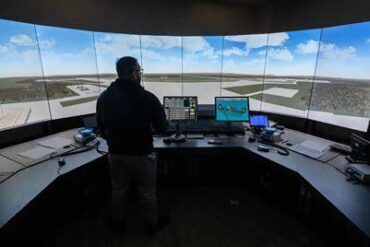
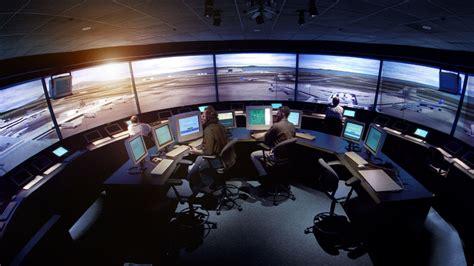
- Over 110 ATC towers will be outfitted with advanced Tower Simulation Systems, enabling controllers to train and operate using highly realistic digital environments.
- 435 towers nationwide will receive Enterprise Information Display Systems, replacing legacy data feeds with dynamic, real-time information delivery.
- 44 airports are scheduled to receive new surface radar systems, which will significantly reduce the risk of runway incursions.
- 89 airports will be upgraded with the Terminal Flight Data Manager, a tool designed to optimize aircraft sequencing and reduce departure delays.
- Around 200 airports will be equipped with Surface Awareness Initiative surveillance technology, enabling ground movement tracking in all visibility conditions.
These enhancements are crucial in ensuring that air traffic controllers are equipped with tools that match the scale and complexity of modern airspace operations.
Cracks in the System: A Grim Government Accountability Office Review
The need for swift intervention was underscored earlier this year when the Government Accountability Office (GAO) published a scathing review of FAA systems. According to the report:
- Out of 138 critical ATC systems, 51 were deemed unsustainable.
- An additional 54 systems were flagged as potentially unsustainable, with risks tied to maintenance, obsolescence, and staffing gaps.
The GAO report concluded that if action wasn’t taken immediately, the NAS could face worsening disruptions, particularly as air travel demand surges post-pandemic and commercial spaceflight operations increase.
The NextGen Vision: Still Stalled After Two Decades
The current overhaul is, in many ways, a course correction for the FAA’s Next Generation Air Transportation System (NextGen) — a project that was announced over 20 years ago with promises of satellite-based navigation, automation, and system-wide efficiency improvements.
However, the Department of Transportation’s Inspector General recently revealed that only 16% of the promised benefits under the NextGen roadmap have been realized. Multiple programs have been delayed until 2030 or later, with budget shortfalls, technical missteps, and contractor coordination issues plaguing progress.
This latest wave of funding and restructuring aims to salvage the core objectives of NextGen, but under a condensed and aggressive timeline.
Political and Public Pressure Mounts Post-Tragedy
The American Eagle Flight 5342 disaster served as a tragic catalyst for renewed focus on aviation safety. The collision, which occurred near Reagan National Airport (DCA), sent shockwaves through Congress and the aviation community. An investigation revealed that inadequate radar coverage and delayed communication relays were key contributing factors, igniting bipartisan calls for comprehensive reform.
Public sentiment has also shifted sharply. In an age where automated cars, drone delivery systems, and space tourism are becoming mainstream, travelers are alarmed to learn that commercial aircraft operations still rely on 1980s-era radar and manual coordination protocols.
A New Digital Command Center: Core of the Overhaul
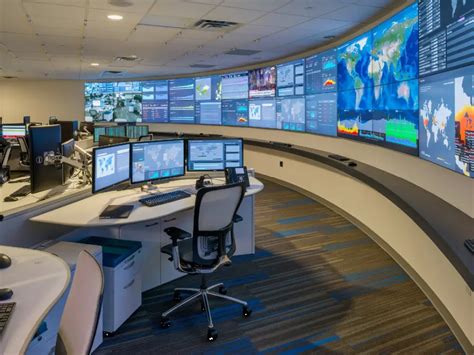
One of the cornerstone initiatives under the FAA’s overhaul is the development of a centralized digital command center. This facility will serve as the nerve center of U.S. airspace, integrating:
- Real-time radar and satellite data
- AI-based predictive analytics for weather and congestion
- Secure communication systems for pilot-controller coordination
- Automated traffic flow modeling
Replacing the patchwork of regional control centers, this command center will allow for seamless national oversight and dynamic traffic management, especially during crises such as hurricanes, cyberattacks, or equipment failures.
Transition from Copper to Fiber: Backbone of Modern Aviation
A significant portion of the FAA’s initial $6 billion allocation is being directed at phasing out the old copper-based telecom grid, which has been increasingly prone to signal degradation and failure. Already, one-third of this legacy infrastructure has been replaced with fiber-optic lines, according to Bedford.
This shift to fiber-optic networks will ensure high-bandwidth, low-latency communication, essential for future integration with unmanned aerial vehicles (UAVs), urban air mobility (UAM), and autonomous flight systems. It also lays the groundwork for cybersecurity hardening, a vital concern as threats of digital intrusion grow.
Future-Proofing the National Airspace System
Although much work remains, this overhaul signals a monumental shift in how America manages its airspace. With the rise of electric aircraft, supersonic travel, and commercial space launches, the NAS must evolve to handle a diverse and high-volume traffic mix.
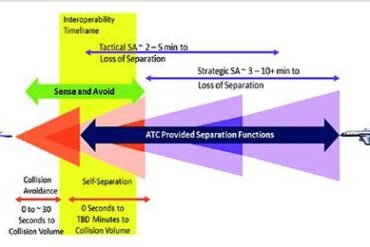
This $6 billion investment is just the beginning. FAA insiders hint at ongoing reviews of airborne collision avoidance systems, automated traffic deconfliction algorithms, and AI-assisted controller training platforms as part of long-term enhancements.
The Road Ahead: Accountability, Transparency, and Delivery
The scale and speed of this transformation demand unprecedented coordination, clear performance benchmarks, and full transparency. Stakeholders, including the aviation industry, lawmakers, and air travelers, will be closely monitoring:
- Project milestones and deliverables from Peraton
- FAA audit and compliance reports
- Budget appropriations and oversight hearings
- Public updates on system performance improvements
The FAA’s success in executing this overhaul will not only restore confidence in America’s aviation safety but will also set a global benchmark for 21st-century air traffic control.
If delivered on time and on budget, the 2028 NAS could become the most advanced airspace ecosystem in the world — one that honors the lessons of the past while embracing the challenges of the future.