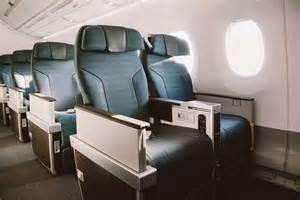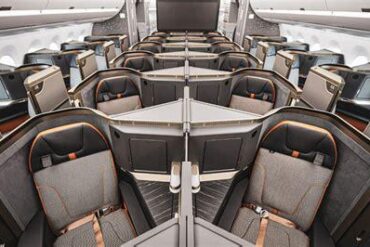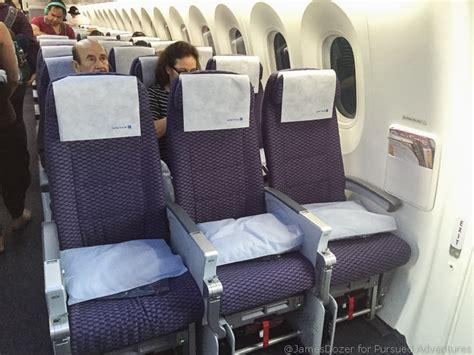
For travelers who spend hours in the back of the plane, seat width matters more than many people realize. A difference of one inch can change shoulder room, elbow space, sleeping comfort, and how cramped a cabin feels after takeoff. In 2026, airlines continue balancing passenger comfort with revenue efficiency, which means tighter layouts on some aircraft and surprisingly generous cabins on others.
Many passengers assume all economy seats are the same. They are not. Seat width depends on aircraft design, cabin configuration, armrest structure, and the airline’s chosen layout. While most standard economy seats fall between 17 and 18 inches, some U.S. airlines still offer cabins above that range. Those seats stand out immediately, especially on flights longer than two hours.
For travelers comparing fares, checking seat width can be just as important as checking baggage fees or departure times. A cheap ticket feels less impressive when your shoulders spend five hours negotiating airspace with strangers.
By 2026, the clear leader among U.S. airlines for widest standard economy seating is Delta Air Lines, though several competitors remain close behind on selected aircraft.
Why Seat Width Matters More Than Seat Pitch
Most passengers focus on legroom because seat pitch is easier to market. Airlines advertise “extra legroom rows,” exit rows, and premium seating upgrades. Yet width often determines overall comfort faster than pitch.
A narrow seat creates pressure points on hips and shoulders. It also reduces usable personal space because armrests consume part of the total measurement. On fully booked flights, width becomes even more noticeable when passengers need room to adjust posture, work on laptops, or rest.
Wider seats are especially valuable for:
- Long-haul domestic routes
- Overnight transcontinental flights
- Larger travelers
- Window-seat passengers pinned against the wall
- Middle-seat survivors, aviation’s true endurance athletes
Seat width may not sound glamorous, but after hour four, it becomes deeply philosophical.
Delta Air Lines Offers The Widest Economy Seats In 2026
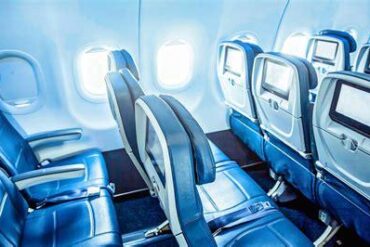
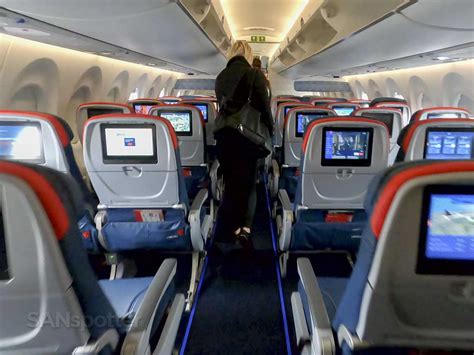
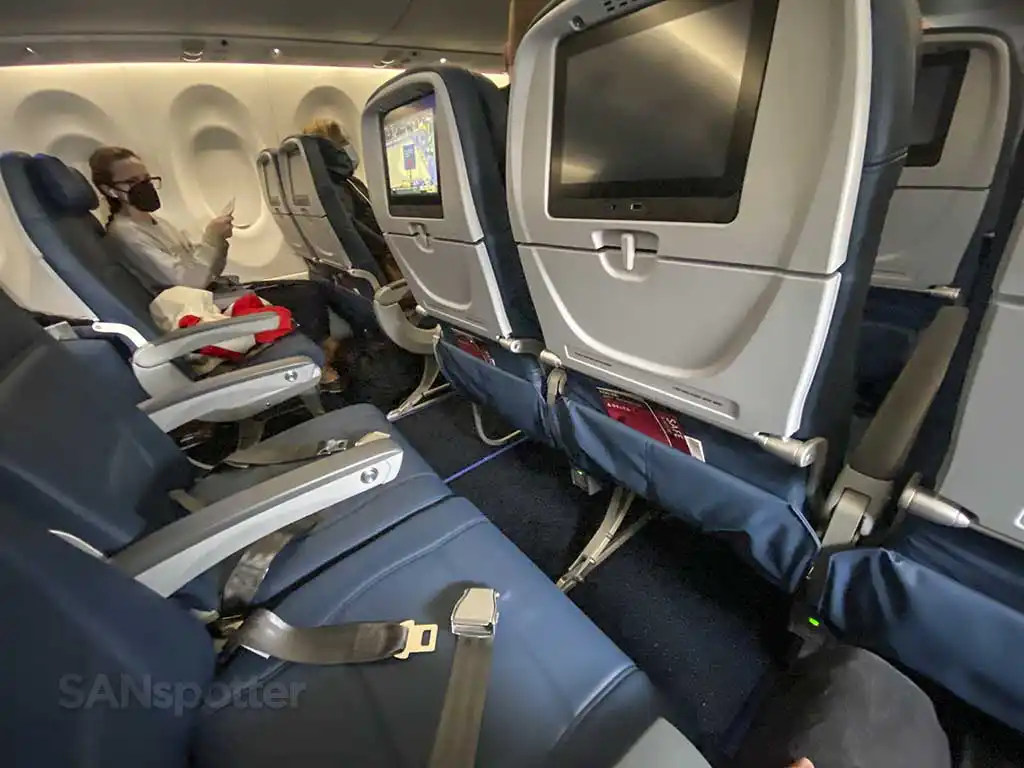
Based on current fleet configurations, Delta Air Lines takes the top spot with economy seats measuring around 18.6 inches on its Airbus A220-100 and A220-300 aircraft.
That number places Delta above most domestic competitors and makes the A220 one of the best aircraft choices for economy passengers in the United States. The A220’s fuselage design helps significantly. Unlike older narrowbody aircraft squeezed into six-abreast seating, the A220 uses a more passenger-friendly 2-3 layout, reducing the number of middle seats while improving shoulder space.
Delta’s A220 fleet has become an important part of its domestic network, and passengers who know what to book often actively seek this aircraft.
Why it stands out:
- 18.6-inch seat width
- 2-3 seating layout
- Fewer middle seats
- Modern cabin design
- Better perceived spaciousness than many older jets
United Airlines Comes Close With The Boeing 767
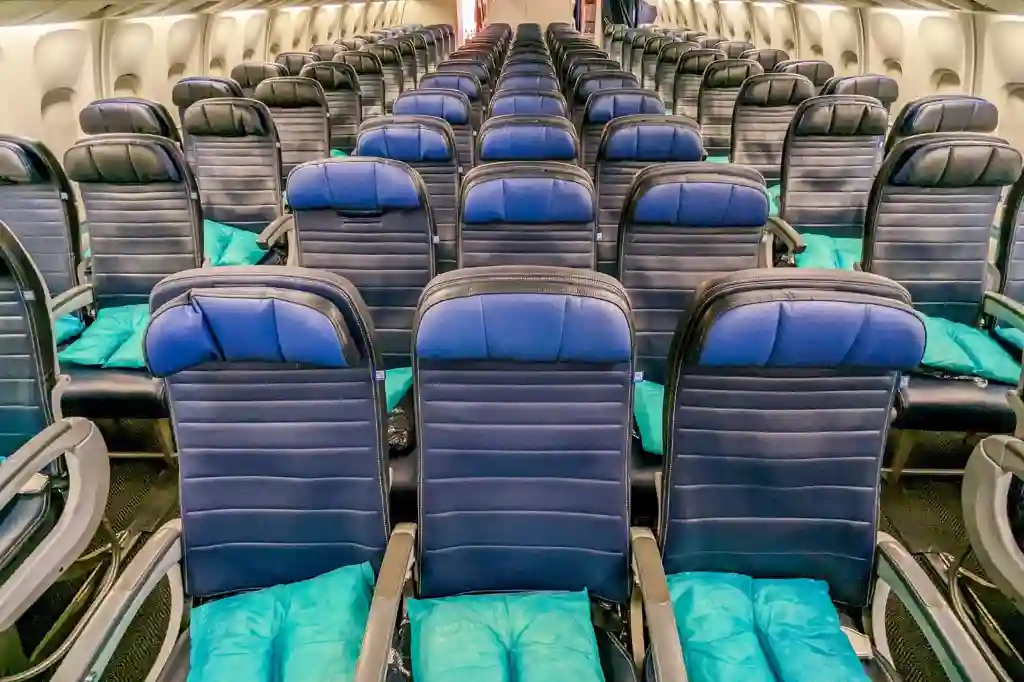
United Airlines ranks near the top with economy seats around 18.5 inches on selected Boeing 767-300ER and 767-400ER aircraft.
These widebody aircraft operate long-haul and high-demand routes, where extra shoulder room becomes more meaningful. Unlike narrowbody jets used on many domestic routes, the 767 cabin can provide a more open feel when configured properly.
Passengers often underestimate how much more comfortable an older widebody can feel than a newer but denser narrowbody aircraft. Technology evolves, but physics still likes a wider tube.
Other U.S. Airlines With Competitive Economy Seat Width
Several airlines offer seats around the 18-inch mark, which remains above average in today’s market.
JetBlue Airways
JetBlue has long marketed comfort as part of its brand. Depending on aircraft type, many JetBlue cabins provide competitive width and a relatively pleasant economy experience, particularly when paired with seatback entertainment and customer-friendly layouts.
American Airlines
American’s fleet is mixed, meaning comfort depends heavily on aircraft type. Some cabins reach approximately 18 inches, while others feel more standard or tighter depending on age and retrofit decisions.
Spirit Airlines
Spirit is known for ultra-low-cost pricing, but it introduced a premium-style product called Go Big on selected Airbus rows. These seats can reach roughly 22 inches wide in Rows 1 and 2. That is not standard economy, but it proves even budget carriers know space can be monetized elegantly.
Allegiant Air
Allegiant also offers certain configurations near the upper end of economy norms, though consistency varies across fleet types.
Best Regional Jets For Wider Economy Seats
Regional aircraft often receive unfair criticism. Some are cramped, yes. Some sound like they were emotionally built from office furniture. But others are surprisingly comfortable.
In 2026, two standout operators for regional seat width are Delta and United, each offering around 18.3 inches on Embraer 170 and Embraer 175 aircraft.
That matters because these jets serve thousands of shorter routes where passengers expect discomfort and instead receive something respectable.
Alaska Airlines Also Performs Well
Alaska Airlines offers around 18.2 inches on its Embraer 175 fleet, making it another strong option for regional comfort.
American Airlines Regional Variability
American’s regional network is more mixed:
- Embraer 145 and some Bombardier aircraft: around 17 inches
- Embraer 170/175: closer to 18 inches
Translation: always check aircraft type before booking.
Have Airline Seats Really Shrunk?
Yes—but the story is more nuanced than social media suggests.
Over time, airlines have reduced seat pitch and optimized cabin density. Slimline seats use thinner structures, lighter materials, and more efficient spacing. This can create the perception of shrinking space even when measurements have not dramatically collapsed.
Historical comparisons suggest some U.S. carriers reduced:
- Seat pitch by roughly 2 to 5 inches over decades
- Seat width by around 2 inches in some cases
Those numbers are meaningful, especially because average passenger body size has also increased over time. That combination explains why cabins often feel tighter today than older travelers remember.
It is not nostalgia alone. Sometimes the 1990s really were roomier.
Premium Economy vs Standard Economy: Is It Worth It?
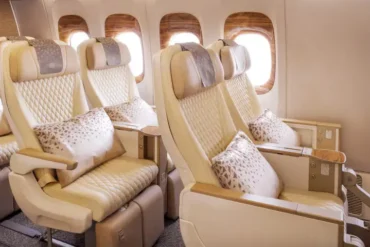
When standard economy feels restrictive, many travelers look to premium economy. This cabin class sits between economy and business class, usually offering:
- Seat width around 19 to 19.5 inches
- More recline
- Greater pitch, often near 38 inches
- Better meal service
- Larger entertainment screens
- Added storage and legrests
For long-haul flights, the comfort difference is substantial. For a one-hour hop, paying triple the fare to recline slightly more may feel like buying a tuxedo for grocery shopping.
The real value depends on route length, fare gap, and how much personal space matters to you.
Smart Booking Tips To Get Wider Economy Seats
If seat comfort matters, do not book blindly. Use aircraft type as your secret weapon.
Best Bets In 2026
- Delta Airbus A220 – widest standard U.S. economy seat
- United Boeing 767 – roomy widebody experience
- Embraer 175 with Delta, United, Alaska – strong regional option
- JetBlue selected aircraft – comfort-focused product
Seats To Research Carefully
- Older regional jets
- Dense narrowbody layouts
- Ultra-low-cost carriers without premium rows
- Aircraft recently reconfigured for more seats
A $20 fare savings disappears quickly when your spine writes a complaint letter.
Final Verdict: Which U.S. Airline Has The Widest Economy Seats In 2026?
For standard economy cabins in the United States, Delta Air Lines leads the market with approximately 18.6-inch seats on the Airbus A220 fleet. That combination of width, modern design, and a 2-3 layout makes it the best mainstream option for travelers prioritizing comfort.
United Airlines follows closely with its Boeing 767 fleet, while Alaska, JetBlue, American, and select Spirit products remain competitive depending on aircraft type.
The biggest lesson is simple: do not choose an airline by brand name alone—choose by aircraft configuration. In 2026, two passengers on the same airline can have wildly different experiences depending on what plane shows up at the gate.
And in economy class, one inch can feel like first class.