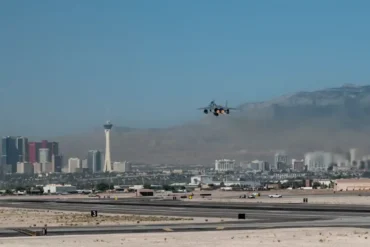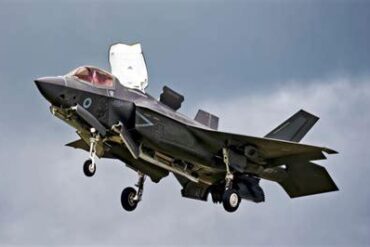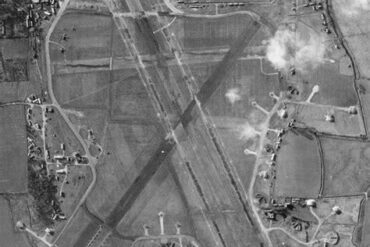
The United States Air Force commands a fleet of exceptionally powerful, large, and specialized aircraft, requiring equally extraordinary infrastructure to support their diverse and demanding missions. Central to this infrastructure are the runways—long stretches of reinforced tarmac that serve as lifelines for high-performance jets, strategic bombers, spaceplanes, and logistical cargo haulers. In this article, we explore the Air Force bases with the longest runways in the US, examining why such lengths are crucial and how these locations contribute to both national defense and aerospace advancement.
Strategic Length: Why Runway Size Matters
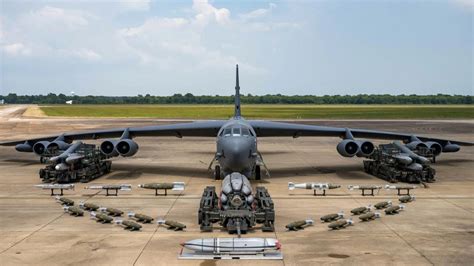
Runway length isn’t merely a matter of convenience. Aircraft weight, weather conditions, elevation, and mission profiles all determine how much runway a plane needs to safely take off or land. Heavy bombers like the B-52 Stratofortress, fully loaded C-5 Galaxies, or experimental aircraft with unusual aerodynamic characteristics require long distances to achieve lift or decelerate. Bases like Edwards AFB or Kirtland AFB, for example, are situated in high-altitude or extreme climate environments where air density and temperature directly affect aircraft performance.
At high altitudes or in desert heat, engines must work harder and wings generate less lift, demanding longer takeoff rolls. Conversely, in icy climates, braking distances increase dramatically, making longer runways essential for safe landings. In these ways, runway length becomes a strategic asset, one that enables everything from routine logistics to advanced experimental test flights and emergency spaceplane landings.
Edwards Air Force Base: The Pinnacle of Aerospace Testing
With a colossal 15,024-foot runway, Edwards AFB in California is home to the longest military runway in the United States. Its primary strip, built across the dry lakebed of Rogers Dry Lake, has played host to countless historic milestones in aviation and spaceflight. The base is the spiritual home of American flight testing, where experimental aircraft—many still classified—are pushed to the limits.
From the X-1 rocket plane that broke the sound barrier under Chuck Yeager to the B-2 Spirit stealth bomber and modern NGAD prototypes like the B-21 Raider and F-47, Edwards has seen it all. NASA has long partnered with the base for aeronautical and space experimentation, and the site was used as a landing strip for the Space Shuttle program for decades.

Long runways at Edwards aren’t just about convenience; they provide crucial safety margins for high-speed, high-stakes missions that involve unusual aircraft configurations, heavy fuel loads, or emergency scenarios. It’s not uncommon for aircraft to abort takeoff or land at high speeds during testing. The extended runway ensures survivability in such scenarios.
Vandenberg Space Force Base: The West Coast’s Spaceport
Just a few feet shorter than Edwards, Vandenberg SFB boasts a 15,000-foot runway, built originally for Space Shuttle launches that never came to pass after the Challenger disaster. Today, Vandenberg serves as a vital site for satellite launches, missile tests, and secretive operations like the Boeing X-37B spaceplane landings.
Situated along California’s rugged coastline, Vandenberg’s location makes it ideal for polar orbit launches, and its long runway supports spaceplane recovery, emergency landings, and cargo aircraft operations.
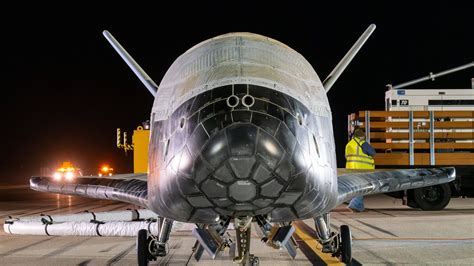
Private aerospace firms, including SpaceX and ULA, regularly use Vandenberg, and the base’s infrastructure supports joint military-commercial space access like few places on Earth.
Eielson AFB and the Challenges of Arctic Aviation
Nestled deep in Alaska, Eielson AFB hosts the third-longest runway in the Air Force, measuring 14,530 feet. The base’s extreme location brings sub-zero temperatures, icy surfaces, and months of darkness, all of which challenge even the most advanced aircraft.
Eielson’s long runway helps ensure safe braking distances during landings on slick surfaces and provides margin for error in harsh crosswinds or reduced visibility. The base is a critical staging ground for Red Flag-Alaska, a massive international aerial combat exercise.
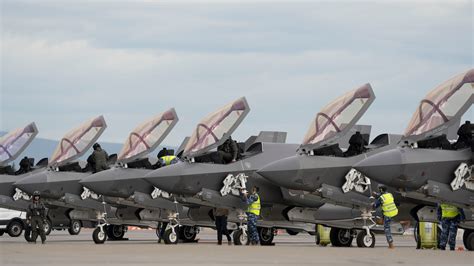
During the Cold War, its strategic location made it a key Arctic defense point, and today it remains vital to US power projection in the Indo-Pacific and Arctic regions.
Fairchild AFB and the Legacy of Strategic Air Command
Located in Washington State, Fairchild AFB has a 13,899-foot runway built for its Cold War role under Strategic Air Command (SAC). The base once hosted nuclear-armed B-52s and KC-135 refueling tankers, ready to launch within minutes in the event of nuclear war.
The base continues to serve as a hub for air refueling operations, and its long runway supports continuous takeoff and landing cycles for both domestic and deployed operations.
Kirtland AFB: High Altitude, High Technology
With a runway stretching 13,795 feet, Kirtland AFB in New Mexico plays a unique role in American defense. As a high-altitude test and development base, Kirtland is home to the Directed Energy Directorate, where laser weapons and high-energy particle systems are developed and tested.
The thin air at Kirtland requires longer runways for aircraft to safely gain speed and lift. The base supports missions involving aerospace research, nuclear security, and special operations, and its runway reflects the technical complexity and high stakes of the operations it supports.
Davis-Monthan AFB and the Boneyard
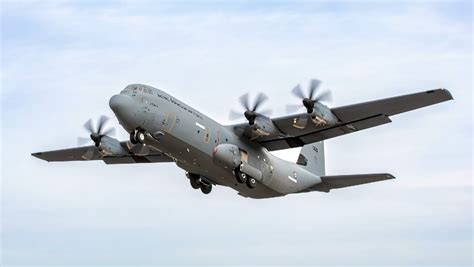
Tucked in the Arizona desert, Davis-Monthan AFB is best known for housing the world’s largest military aircraft storage and reclamation facility, affectionately known as The Boneyard. Its 13,645-foot runway is built to support aircraft arriving from across the globe for storage, scrapping, or reactivation.
This dry desert environment helps preserve aircraft from corrosion, and the base’s extended runway supports landings by large transport planes, bombers, and fighters alike. The base is also a major training ground for A-10 Thunderbolt II squadrons, who make use of nearby live-fire ranges.

Naval Air Station Fallon: The Navy’s Long Runway Giant
While not an Air Force installation, NAS Fallon in Nevada deserves honorable mention. With a 14,000-foot runway, it holds the title of longest Navy runway in the United States. As the home of the legendary TOP GUN school, the base serves as the primary carrier air wing training center for the US Navy.
Unlike coastal naval air stations, NAS Fallon is landlocked and operates over an immense 240,000-acre range complex. Its runway length supports the high-performance jets of the Navy, Marine Corps, and allied nations engaged in multinational combat training.
Kennedy Space Center: The Longest of Them All
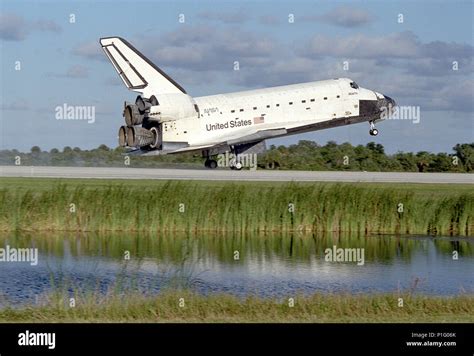
Though not under military command, the Kennedy Space Center (KSC) in Florida features the longest government-owned runway in the United States. Officially measuring 15,000 feet, its additional 1,000-foot overflow makes it 16,000 feet long—longer than even Edwards AFB.
KSC was designed to handle spaceplane landings, including those of the Space Shuttle and, more recently, the X-37B. Its secure airspace and specialized aerospace infrastructure also make it a prime site for private aerospace operations, including those by SpaceX and other commercial spaceflight providers.
A Backbone of American Airpower
The United States maintains these long and strategically vital runways not merely as landing strips, but as integral components of its global military infrastructure. Whether it’s for testing cutting-edge aerospace technologies, deploying nuclear-capable bombers, launching orbital payloads, or training elite pilots, each runway plays a role in securing and projecting American airpower.
These bases are not just airfields—they are aerospace ecosystems, enabling both routine military logistics and extraordinary scientific progress. They support interagency collaboration, joint force operations, and private industry innovation, creating a robust network of capabilities that few other nations can rival.
Ultimately, runway length isn’t just about distance. It’s about mission scope, strategic flexibility, and the relentless pursuit of dominance in the skies and beyond.