The sheer scale of the United States Air Force’s operational infrastructure is difficult to grasp until you examine the runways themselves. These aren’t just strips of concrete—they are precision-engineered lifelines designed to launch the heaviest aircraft on Earth, absorb punishing landings, and support missions that stretch from tactical combat to experimental flight testing.
Across deserts, high-altitude plains, and frozen Arctic terrain, runway length becomes more than a number—it becomes a decisive factor in mission success. Heat, altitude, payload, and weather all conspire to demand longer takeoff rolls and safer landing margins. The five bases featured here represent the absolute pinnacle of runway capability within the USAF, each shaped by its environment and mission.
5. Nellis Air Force Base, Nevada — Tactical Precision in Desert Heat
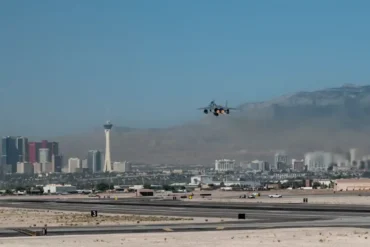
Nellis Air Force Base may rank fifth on this list, but its 10,120-foot runway is anything but modest. Situated near Las Vegas, it operates as the epicenter of advanced air combat training, where some of the most sophisticated aerial exercises in the world unfold daily.
Here, runway performance is tested not by heavy bombers, but by relentless operational tempo. Waves of fighter jets—F-35s, F-22 Raptors, A-10s, and visiting aircraft—cycle through tightly coordinated launch and recovery windows. In this high-intensity environment, every second counts, and every foot of runway matters.
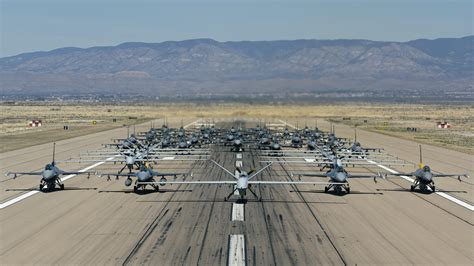
What makes Nellis particularly demanding is the brutal desert climate. Summer temperatures regularly soar into triple digits, creating high density altitude conditions that reduce engine thrust and aerodynamic efficiency. Even the most powerful fighters require significantly longer takeoff rolls.
The runway’s length provides a critical buffer—allowing pilots to safely execute high-energy departures, aborted takeoffs, and emergency recoveries. Without that margin, the tempo and complexity of operations at Nellis would be far more constrained.
Historically rooted in World War II as a gunnery training site, Nellis has evolved into a cornerstone of tactical air dominance, and its runway remains a silent but essential partner in that mission.
4. Kirtland Air Force Base, New Mexico — High-Altitude Complexity and Innovation
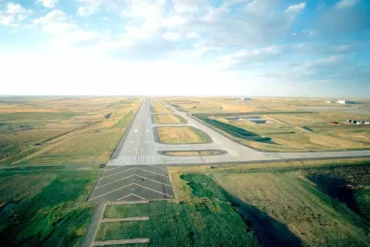
Kirtland Air Force Base stands as one of the most multifaceted installations in the Air Force, anchored by a 13,795-foot runway that supports a staggering diversity of missions. Located in Albuquerque and sharing facilities with a civilian airport, it blends military precision with logistical complexity.
Unlike Nellis, Kirtland’s primary challenge isn’t heat—it’s elevation. Sitting more than a mile above sea level, the thin air significantly reduces aircraft performance. Engines produce less thrust, wings generate less lift, and takeoff distances increase dramatically.
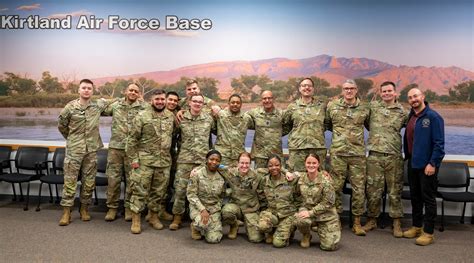
For heavy aircraft like the C-17 Globemaster III or KC-135 Stratotanker, this environment can demand 20–30% more runway distance compared to sea-level operations. That’s where Kirtland’s extended runway becomes indispensable.
But this base isn’t just about transport and logistics. It serves as a hub for nuclear sustainment, special operations aviation, and cutting-edge research. Experimental flights and classified testing programs frequently rely on the runway’s length and the relatively uncongested surrounding airspace.
The base’s origins trace back to the Manhattan Project, embedding it deeply in the history of American military innovation. Today, its runway continues to support the future of aerospace technology, providing the space needed for aircraft that push the limits of engineering.
3. Eielson Air Force Base, Alaska — Arctic Endurance and Strategic Reach
Deep in the Alaskan interior, Eielson Air Force Base presents a dramatically different challenge. Its 14,530-foot runway is built not just for size, but for survival in one of the harshest climates on Earth.
Winter temperatures can plunge below -40°F, transforming routine flight operations into complex technical endeavors. Aircraft systems behave differently in extreme cold—engine oil thickens, hydraulics respond sluggishly, and tires struggle for grip on icy surfaces.
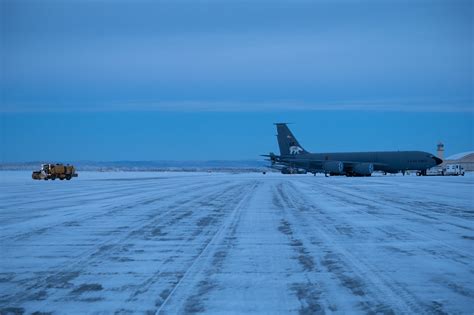
In these conditions, runway length becomes a critical safety margin. Reduced thrust during cold starts and decreased braking efficiency mean both takeoffs and landings require significantly more distance.
Eielson’s importance extends beyond weather resilience. It plays host to Red Flag–Alaska, a major multinational training exercise that brings in aircraft from across the globe. Many arrive heavily fueled after long-distance flights, further increasing runway demands.
Strategically positioned near the Arctic and Russia, Eielson serves as a frontline outpost for polar operations and rapid deployment scenarios. Its runway ensures that even the heaviest aircraft can operate reliably in an environment where failure is not an option.
2. Elmendorf Air Force Base, Alaska — Cold War Legacy, Modern Power
Just slightly longer than Eielson, Elmendorf Air Force Base boasts a 14,998-foot runway that has supported decades of critical operations. Now part of Joint Base Elmendorf–Richardson, it remains a linchpin of U.S. airpower in the Indo-Pacific.
Constructed during World War II and expanded throughout the Cold War, Elmendorf was designed for rapid-response defense missions, including NORAD intercept operations. These requirements drove the need for a runway capable of handling fully loaded aircraft under any conditions.
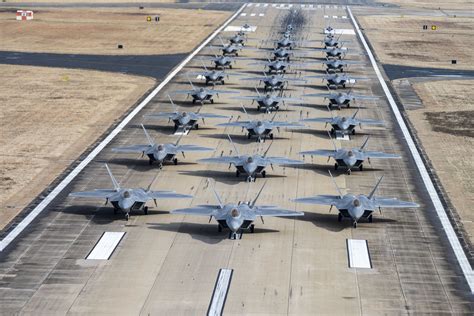
Alaskan winters add layers of complexity. Snow, ice, and rapidly shifting weather conditions create unpredictable braking performance and visibility challenges. For large aircraft like the C-17 or KC-135, every additional foot of runway becomes vital.
Today, Elmendorf hosts advanced fighters like the F-22 Raptor alongside heavy airlift units. Its runway supports high-tempo operations across vast distances, enabling missions that stretch deep into the Pacific and Arctic regions.
The nearly 15,000-foot length provides not just capability, but confidence—a margin that ensures aircraft can operate safely even when conditions deteriorate unexpectedly.
1. Edwards Air Force Base, California — The Ultimate Flight Test Runway
At the top of the list stands Edwards Air Force Base, home to the longest runway in the U.S. Air Force at 15,024 feet. But raw length only tells part of the story. Edwards is where aviation history is written—and rewritten.
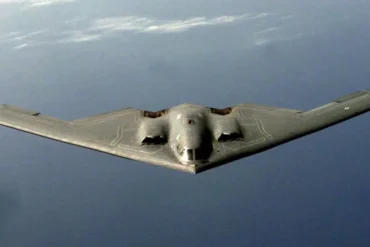
This base has hosted some of the most iconic aircraft ever built, from the X-1 and X-15 to modern platforms like the B-2 Spirit and next-generation unmanned systems. Its runway is designed for aircraft with unknown performance characteristics, where caution and flexibility are paramount.
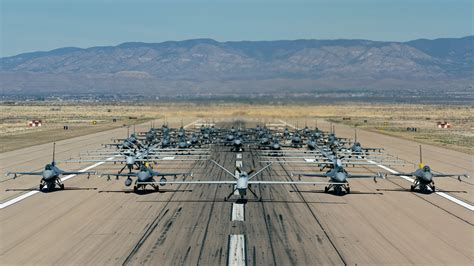
Test flights often involve high-speed approaches, unusual configurations, or simulated emergencies. These scenarios demand exceptionally long landing and takeoff distances, and Edwards delivers that margin in abundance.
Adding to its uniqueness is Rogers Dry Lake, a विशाल natural expanse that functions as an auxiliary landing area stretching for miles. This combination of paved and natural runways creates a one-of-a-kind testing environment unmatched anywhere in the world.
Even the Space Shuttle relied on Edwards for landings, underscoring its role as a global center of aerospace innovation. Here, runway length isn’t just about safety—it’s about enabling the impossible.
Why Runway Length Defines Air Force Capability
Runway length quietly underpins every aspect of Air Force operations. Heavy bombers like the B-52, massive transports like the C-5M, and specialized aircraft all depend on extended distances to achieve safe takeoff and landing performance.
Environmental factors amplify this need. Heat reduces air density, altitude limits engine output, and ice compromises braking. In each case, longer runways provide the critical buffer that keeps missions viable.
What emerges from this list is a pattern: the longest runways are not arbitrary—they are built where conditions are toughest and missions are most demanding. They represent a fusion of engineering foresight, strategic necessity, and operational excellence.
As the Air Force continues to develop next-generation aircraft, including advanced bombers and autonomous systems, runway requirements will only grow. These five bases already offer a glimpse into that future—a world where infrastructure must evolve alongside innovation.
In the end, runway length is more than a statistic. It is a measure of readiness, resilience, and reach, defining how far, how fast, and how effectively airpower can be projected anywhere on Earth.