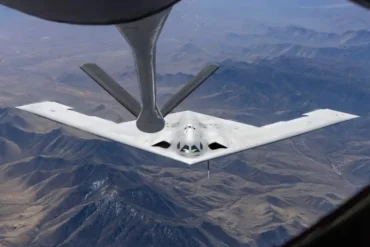
The recent convergence of B-2 Spirit stealth bombers and the U.S. Navy’s emerging AIM-174B “Gunslinger” missile during a high-end maritime strike exercise off California signals more than routine joint training—it reveals a deliberate shift in how the United States prepares for future naval warfare. Conducted with Carrier Air Wing 11 aboard the USS Theodore Roosevelt, the drill fused long-range stealth, carrier-based aviation, and advanced missile technology into a cohesive combat scenario designed for modern threats.
At its core, the exercise explored integrated maritime strike operations, a mission set that demands seamless coordination between vastly different platforms. The inclusion of a B-2 bomber from the 509th Bomb Wing added a strategic dimension, extending the reach of naval aviation beyond traditional boundaries. This was not simply about interoperability; it was about redefining how airpower projects force across oceans.
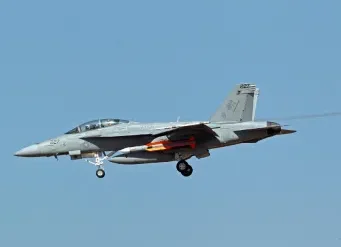
What made this event stand out was the debut of the AIM-174B, a weapon that effectively transforms Navy fighters into long-range strike assets capable of engaging targets far beyond conventional limits. When paired with stealth bombers operating in contested environments, the result is a layered, unpredictable strike capability that complicates any adversary’s defensive planning.
AIM-174B “Gunslinger”: A Missile Built for Reach and Versatility
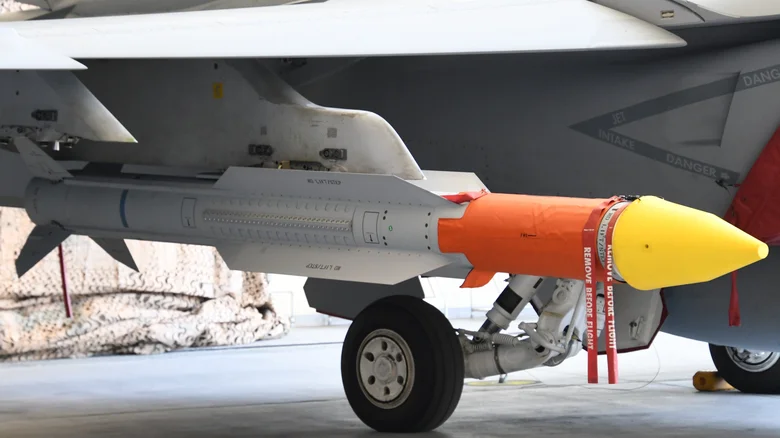
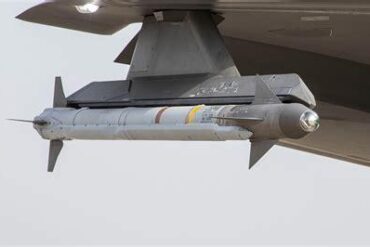
The AIM-174B “Gunslinger” represents an evolution rather than a reinvention. Derived from the Navy’s formidable SM-6 missile, it inherits a reputation for versatility and power. Originally deployed from Aegis-equipped warships, the SM-6 has proven itself as a multi-role weapon, capable of engaging aircraft, intercepting ballistic missiles, and striking surface targets at ranges exceeding 200 miles.
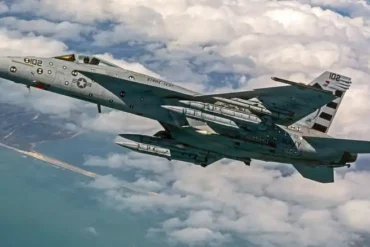
Adapting this system for air launch fundamentally changes the equation. Mounted on F/A-18E/F Super Hornets, the AIM-174B extends the engagement envelope of carrier-based fighters dramatically. Its imposing physical profile—stretching over 15 feet in length and weighing nearly a ton—houses a robust propulsion system and a potent warhead, enabling it to reach targets that were previously out of reach for tactical aircraft.
This capability allows naval aviators to operate from safer distances while still projecting lethal force. In practical terms, it means a carrier strike group can influence battlespace hundreds of miles away without exposing its core assets to immediate danger. The missile’s flexibility also supports multi-domain engagements, reinforcing the Navy’s push toward distributed lethality.
Why the B-2 Spirit Is Entering the Maritime Fight
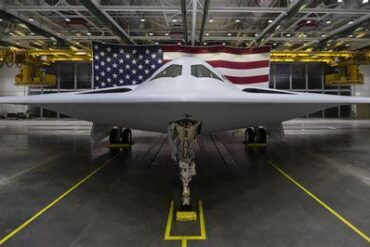
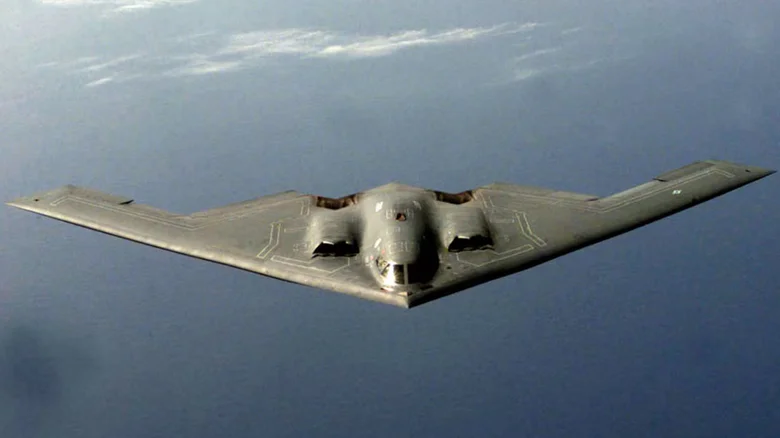
Traditionally associated with deep-penetration strikes against land-based targets, the B-2 Spirit is now being reconsidered as a formidable player in maritime warfare. Its defining feature—stealth—allows it to penetrate heavily defended environments, making it an ideal platform for striking high-value naval targets that rely on layered air defenses.
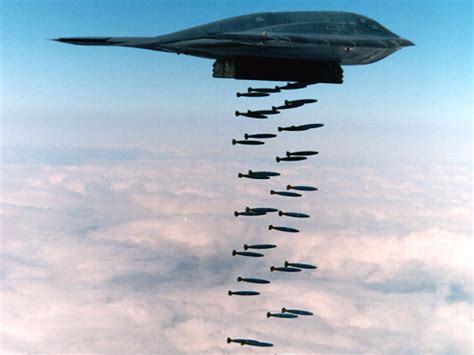
This evolving role is closely tied to the QUICKSINK program, an initiative aimed at transforming existing munitions into cost-effective anti-ship weapons. Rather than relying solely on expensive, specialized missiles, QUICKSINK enables aircraft like the B-2 to deploy modified bombs equipped with advanced guidance systems capable of tracking and destroying moving vessels.
The implications are significant. By leveraging its long endurance—missions can exceed 30 hours—and global reach, the B-2 can threaten maritime targets across vast distances without requiring forward basing. This adds a strategic layer to naval operations, allowing the Air Force to complement the Navy in ways that were previously limited or impractical.
Integrated Strike: A Glimpse Into Future Warfare
The true value of this exercise lies in its demonstration of joint force integration. The combination of stealth bombers, carrier-based fighters, and long-range missiles creates a multi-axis threat environment that is difficult to counter. Each platform contributes unique strengths: the B-2 provides stealth and persistence, the Super Hornet delivers flexibility and rapid response, and the AIM-174B extends lethal reach.
This layered approach aligns with the Pentagon’s broader strategy of distributed operations, where forces are dispersed yet interconnected, reducing vulnerability while maximizing combat effectiveness. In such a framework, coordination becomes as critical as capability. Data sharing, targeting synchronization, and timing all play pivotal roles in ensuring mission success.
The exercise also underscores the importance of adaptability. As adversaries develop more advanced anti-access and area-denial systems, the U.S. military must continuously refine how its assets operate together. Integrating new weapons like the Gunslinger with legacy platforms such as the B-2 demonstrates a pragmatic approach—enhancing existing القوة rather than relying solely on next-generation systems.
Strategic Implications and the Road Ahead
The pairing of B-2 bombers with AIM-174B-equipped fighters hints at a future where traditional service boundaries blur in pursuit of operational effectiveness. Maritime strike is no longer the sole domain of naval aviation; it is becoming a joint mission set, leveraging the best capabilities of each branch.
This evolution carries strategic weight. In potential conflict scenarios, particularly in contested regions like the Indo-Pacific, the ability to conduct long-range, coordinated strikes against naval assets could prove निर्णative. The integration of stealth, speed, and extended-range weaponry complicates enemy planning and increases the survivability of U.S. forces.
Ultimately, the exercise off California was more than a training event—it was a preview of next-generation warfare, where flexibility, integration, and innovation define success. As the Gunslinger missile enters broader service and programs like QUICKSINK mature, the synergy between air and naval power will only deepen, reshaping how battles are fought across the world’s oceans.