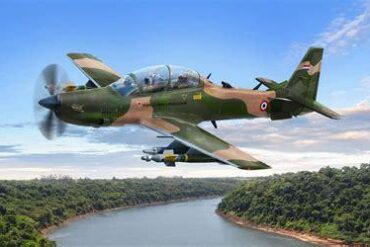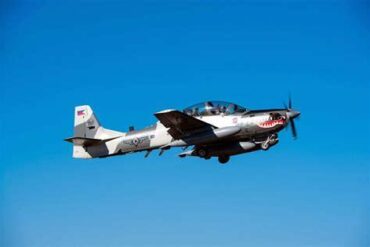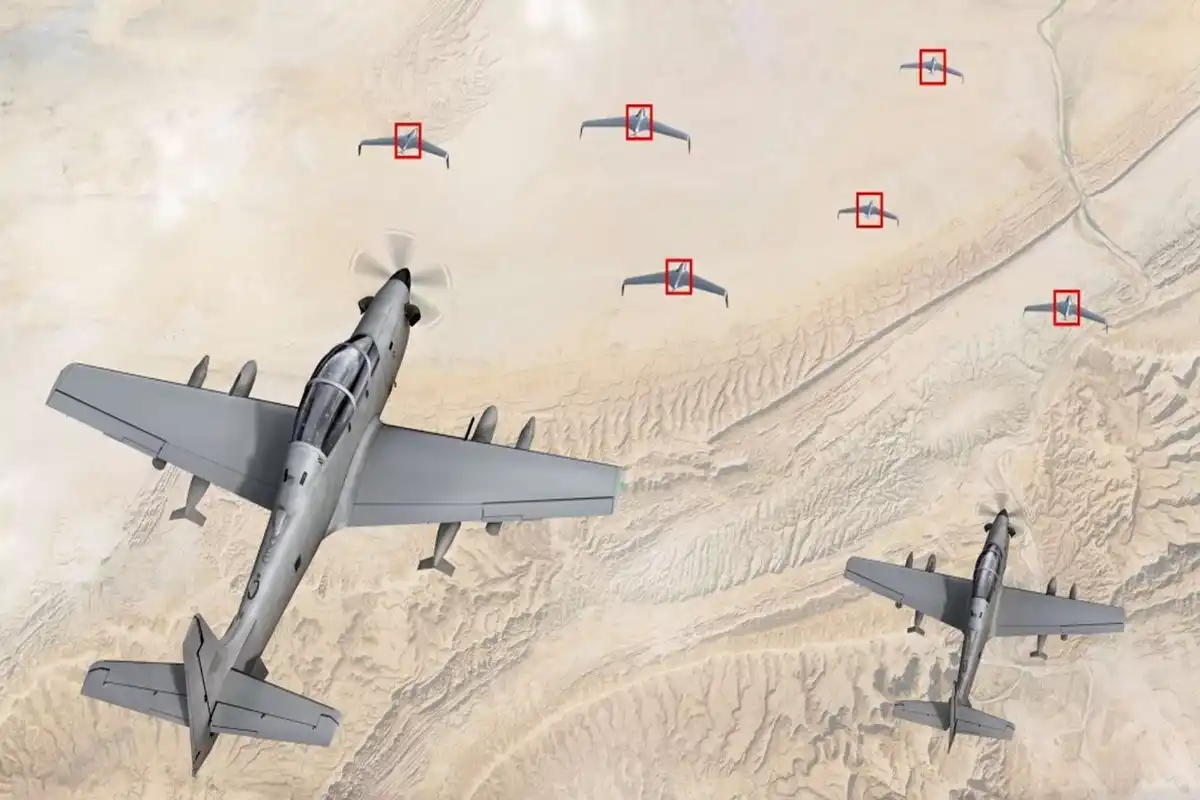
The rapid proliferation of low-cost combat drones has transformed modern warfare, forcing militaries to rethink how they defend airspace against swarms of small, expendable aircraft. In response to this evolving threat, Embraer and U.S.-based Valkyrie Aero have launched a joint effort to upgrade the A-29 Super Tucano light-attack aircraft with an artificial intelligence–powered system designed specifically to detect, track, and destroy hostile drones.
The new capability centers on the Gunslinger AI platform, an advanced software layer intended to accelerate the decision-making process inside the cockpit while integrating the aircraft’s sensors, weapons, and communications networks into a streamlined counter-UAS workflow. Rather than relying on expensive fighter jets or costly air-to-air missiles to intercept inexpensive drones, the upgraded Super Tucano offers a far more economical approach—using machine guns, guided rockets, and smart targeting algorithms to neutralize large numbers of unmanned threats efficiently.
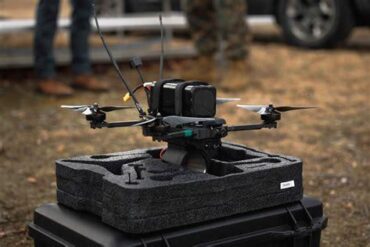
This development reflects a broader strategic shift within Western militaries. Conflicts in recent years have demonstrated that drone warfare is no longer a niche capability, but a central component of modern battlefields. Swarms of small drones now perform reconnaissance, guide artillery strikes, and conduct one-way attack missions against supply depots, airbases, and infrastructure. Countering these threats requires scalable solutions that can operate continuously without draining defense budgets.
The Growing Drone Threat Driving Counter-UAS Innovation
The urgency behind this upgrade stems from a stark economic reality: the cost imbalance between drones and the systems used to shoot them down. Small unmanned aircraft can be produced cheaply and deployed in large numbers, while traditional interception methods—such as fighter aircraft sorties or advanced surface-to-air missiles—carry significantly higher operational costs.
Military planners have watched this imbalance play out repeatedly in modern conflicts. A swarm of relatively inexpensive drones can force defenders to expend missiles costing hundreds of thousands of dollars each. Over time, this asymmetry strains logistics, budgets, and stockpiles of precision weapons.
As a result, defense forces are actively exploring alternatives that allow them to defeat drones with proportionate firepower. The Super Tucano’s upgrade is a direct response to that requirement. Instead of expending scarce high-end missiles, the aircraft can use 70 mm laser-guided rockets or .50-caliber machine guns, providing a much cheaper method of eliminating aerial threats.
The strategic logic is simple but powerful: fight inexpensive drones with equally inexpensive weapons while maintaining the ability to deploy them rapidly over large areas.
Why the A-29 Super Tucano Is Ideal for Drone Hunting
The A-29 Super Tucano might appear modest compared with supersonic fighters, yet its characteristics make it exceptionally suited to the counter-drone mission. The aircraft’s turboprop design allows it to operate at much lower speeds than jet fighters, a critical advantage when engaging small unmanned targets that often fly slowly and close to the ground.
Fast jets frequently struggle in this environment. Their high speeds and optimized flight envelopes make tracking tiny, slow-moving drones surprisingly difficult. The Super Tucano, by contrast, can safely fly at speeds closer to those of many unmanned systems.
With a stall speed of roughly 43 knots, the aircraft can maneuver comfortably around slow aerial targets without overshooting them. This capability allows pilots to maintain visual contact and line up precise engagements using guns or rockets.
The aircraft’s tandem cockpit configuration also plays a major role. One crew member focuses on flying the aircraft while the other manages sensors, targeting systems, and weapons. This division of labor significantly reduces pilot workload during complex engagements involving multiple drone targets.
Equally important is the aircraft’s ability to operate from austere or forward bases. Unlike advanced fighters that require large airbases and extensive support infrastructure, the Super Tucano can deploy closer to the front lines. This flexibility allows it to respond quickly to emerging threats and protect critical infrastructure or ground forces.
Gunslinger AI: Accelerating the “Find, Fix, Finish” Kill Chain
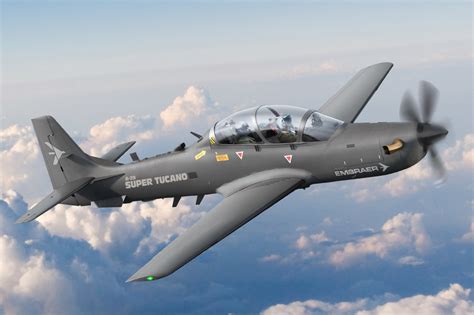
At the center of the upgrade is Gunslinger, an artificial intelligence system developed by Valkyrie Aero. Its role is not to replace human pilots but to act as a decision-support engine, dramatically speeding up the process of detecting and engaging hostile drones.
Modern drone attacks often involve multiple targets appearing simultaneously on radar or sensor feeds. Without automated assistance, identifying the most dangerous threat and choosing the appropriate weapon can consume valuable seconds.
Gunslinger addresses this challenge by integrating data from the aircraft’s electro-optical and infrared (EO/IR) sensors, onboard targeting systems, and external data networks. The AI then processes this information in real time to prioritize threats and suggest engagement options.
The system essentially compresses the classic military targeting cycle—known as “find, fix, finish.”
- Find: Detect potential drone targets using sensors and external cues.
- Fix: Confirm the target’s identity and track its position.
- Finish: Engage and neutralize the threat with appropriate weapons.
By automating portions of this workflow, Gunslinger reduces the cognitive load on the crew. Instead of manually sorting through multiple sensor feeds, pilots receive clear tactical cues and recommended firing solutions.
In chaotic low-altitude environments—where small drones can blend into terrain or urban backgrounds—this speed advantage can determine whether a drone is intercepted or allowed to strike its target.
Sensor Integration and Networked Combat Awareness
The upgraded A-29 leverages a multi-sensor architecture designed to detect drones both visually and electronically. Central to this setup is an EO/IR sensor package, capable of identifying targets during day or night operations.
The system is compatible with night vision goggles, allowing crews to conduct missions in darkness while maintaining situational awareness. An embedded laser designator further enhances targeting precision, enabling accurate strikes using guided munitions.
Just as important is the aircraft’s tactical data link, which enables encrypted communication with ground radars, air defense networks, and other aircraft. This connectivity allows the Super Tucano to receive cues about potential drone threats beyond its own sensor range.
Once a track is detected by a ground radar or another platform, the information can be transmitted directly to the aircraft. The crew can then investigate the contact visually and engage if necessary.
This networked approach transforms the aircraft into a mobile counter-drone interceptor, capable of responding to threats across wide operational areas.
Weapons Optimized for Cost-Effective Drone Interception
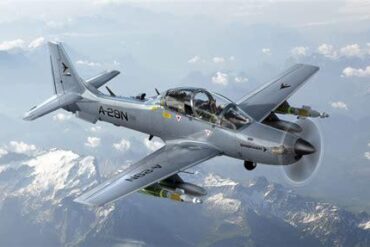
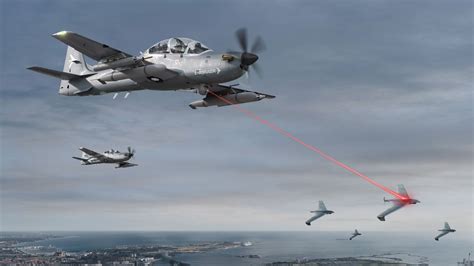
The Super Tucano’s weapons configuration is another reason it excels in the counter-UAS role. The aircraft features five external hardpoints along with two internal .50-caliber machine guns, providing a flexible and scalable arsenal.
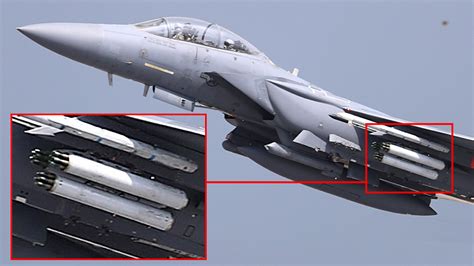
Among the most significant weapons options are 70 mm rocket systems, which can be carried in pods holding either seven or nineteen rockets. These rockets can be equipped with laser guidance kits such as the Advanced Precision Kill Weapon System (APKWS), transforming them into highly accurate yet relatively inexpensive munitions.
For drone interception, this setup offers several advantages:
- Deep magazine capacity: Multiple rocket pods allow the aircraft to engage numerous drones during a single sortie.
- Low engagement cost: Guided rockets are significantly cheaper than air-to-air missiles.
- Flexible engagement options: Internal machine guns provide a rapid-response alternative for close engagements.
This layered weapons approach ensures that crews can choose the most cost-effective solution for each target, maintaining operational sustainability during prolonged drone attacks.
Testing, Demonstrations, and Operational Timeline
The integration of Gunslinger AI follows a series of ground and flight tests conducted by Embraer, which validated the Super Tucano’s ability to use EO/IR sensors in air-to-air roles against drone targets.
These tests also evaluated new mission system software upgrades designed to enhance the aircraft’s targeting capabilities and overall effectiveness in aerial engagements.
According to program plans, demonstrations of the upgraded counter-UAS configuration are expected during the second half of 2026. If successful, the technology could be rapidly integrated into existing Super Tucano fleets worldwide.
The aircraft already has a significant global presence. More than 290 A-29 aircraft have been contracted, accumulating over 580,000 flight hours and roughly 60,000 operational combat hours. This established user base creates a ready market for AI upgrade packages that can be installed without major structural modifications.
Strategic Implications for Modern Air Defense
The AI-enhanced Super Tucano does not replace traditional air defense systems. Ground-based missile batteries, electronic warfare units, and radar networks remain essential components of any comprehensive defense architecture.
However, the aircraft introduces a valuable new element: a mobile outer layer of defense capable of intercepting drones before they reach critical infrastructure or military bases.
Operating in coordination with radar and sensor networks, Super Tucano patrols can investigate suspicious aerial contacts, confirm hostile intent, and neutralize threats far from defended targets. This forward interception capability reduces the pressure on point-defense systems and increases overall resilience.
The broader significance of the upgrade lies in how it reshapes the economics of aerial defense. Drone warfare is defined by persistence and scale; adversaries can launch waves of inexpensive systems repeatedly. Defending against them requires solutions that are equally sustainable.
By combining artificial intelligence, affordable weapons, and a versatile light-attack aircraft, the U.S.–Brazil partnership is demonstrating a new approach to counter-UAS warfare—one designed not merely to win isolated engagements, but to maintain long-term dominance in a battlespace increasingly crowded with autonomous machines.