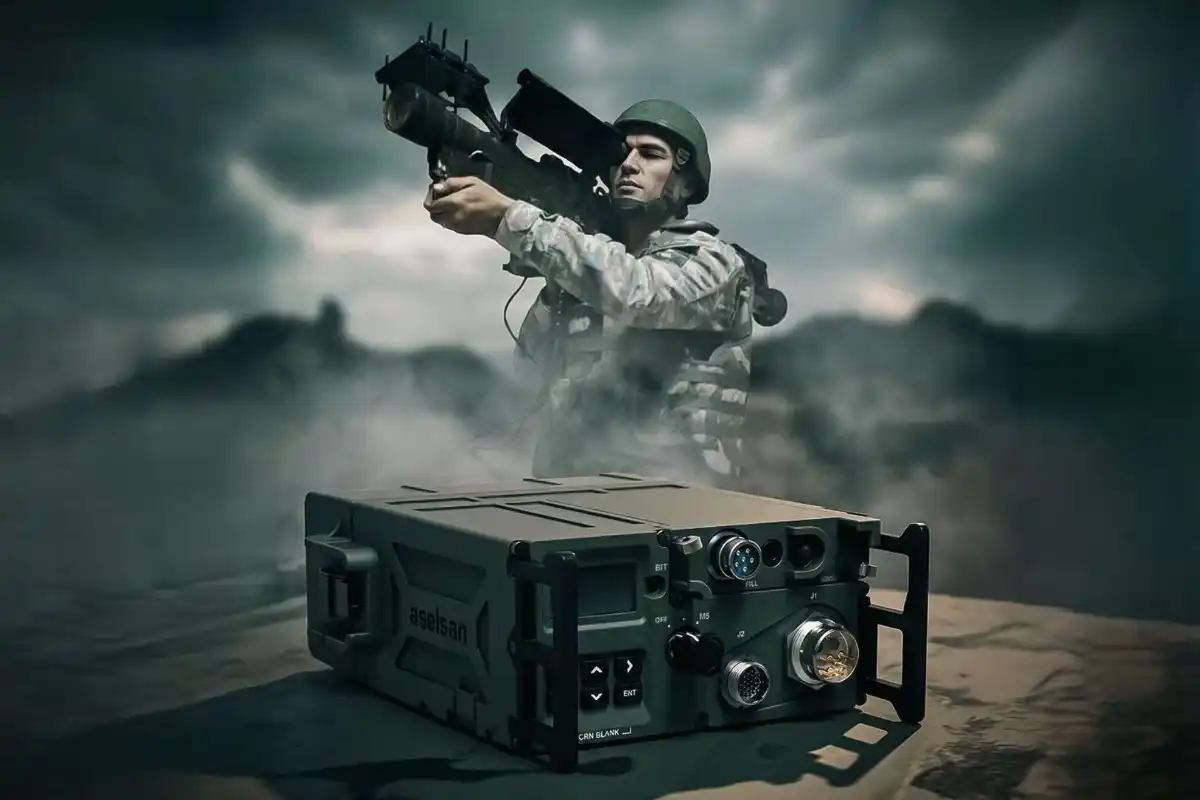
NATO has taken a quiet but consequential step to tighten airspace control at the most unforgiving end of modern air defense. With low-altitude skies increasingly crowded by drones, rotary-wing aircraft, and fast-moving friendly platforms, the Alliance is pushing secure identification all the way down to the shoulder-fired missile team. A new framework agreement awarded to Türkiye’s ASELSAN places Mode 5 Identification of Friend or Foe (IFF) capability directly into man-portable air defense systems (MANPADS), closing a long-recognized gap between strategic air picture awareness and split-second tactical decisions.
The contract, issued through the NATO Support and Procurement Agency (NSPA), spans three years and focuses on the supply of IFF interrogator systems designed specifically for dismounted or highly mobile air defense operators. This is not a symbolic upgrade. It reflects NATO’s assessment that the risk of misidentification at low altitude is no longer theoretical, but structural, driven by how air operations are now conducted and contested.
A Contract Aimed at the Most Compressed Decision Layer
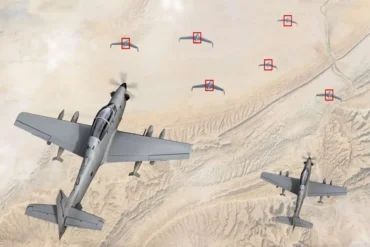
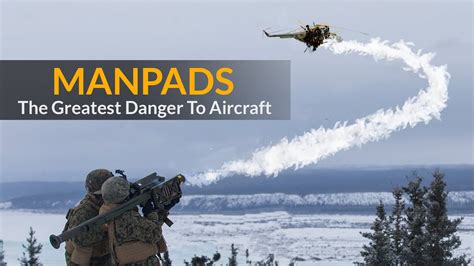
The central logic behind the agreement is brutally simple. MANPADS operators often have only seconds to decide whether a contact is hostile, friendly, or ambiguous. Unlike radar-backed surface-to-air missile batteries, these teams operate with limited sensors, incomplete situational awareness, and intense time pressure. At the same time, NATO air forces are deliberately flying lower, using terrain masking and flexible routing to reduce exposure to long-range air defenses. Add the explosion of unmanned aerial systems operating in the same vertical space, and the margin for error shrinks to near zero.
Embedding secure, encrypted IFF interrogation at this level reduces the chance that uncertainty forces either a missed engagement or a catastrophic fratricide incident. It gives the operator a rapid, standardized confirmation tool that aligns with Alliance-wide identification doctrine rather than national or ad hoc procedures.
Why Mode 5 Matters in Low-Altitude Air Defense
Mode 5 represents NATO’s most advanced and secure IFF standard, replacing legacy modes that were never designed for today’s electronic warfare, spoofing, and dense coalition air operations. It uses encrypted challenges and responses, significantly reducing the risk of exploitation or false identification.
ASELSAN has emphasized that it is among a limited number of global suppliers capable of delivering NATO-compliant Mode 5 systems, a detail that carries weight beyond marketing. Mode 5 equipment must meet stringent STANAG 4193 Edition 3 requirements, integrate with NATO cryptographic architectures, and pass rigorous certification. This is high-trust territory, not commodity electronics.
By extending Mode 5 interrogation to MANPADS teams, NATO is effectively stating that identification discipline cannot stop at radar screens and command posts. It must exist wherever lethal decisions are made.
ASELSAN’s IdentIFF Capability and Its Operational Design
Publicly released information points to ASELSAN’s IdentIFF Mode 5 I-MP as the core solution underpinning the contract. The system is designed as a short-range, man-portable interrogator, optimized for dismounted use without compromising cryptographic security. It supports encrypted Mode 5 interrogation through an external crypto unit while maintaining backward compatibility with Mode 1, Mode 2, and Mode 3/A, a crucial feature in coalition environments where not all platforms modernize at the same pace.
Operationally, the design choices are telling. Built-in test functions, digital target reporting, and flexible interface options suggest the interrogator is intended to plug into broader air defense workflows, not operate in isolation. This aligns with NATO’s push toward network-enabled defense, even at the tactical edge.
Crowded Skies and the Return of Ambiguity as a Weapon
The strategic backdrop to the contract is a battlespace where ambiguity itself has become a tool. Potential adversaries increasingly exploit look-alike drones, civilian-military overlap, and flight profiles designed to trigger hesitation or provoke mistakes. At low altitude, where reaction times are short and visual identification unreliable, this ambiguity becomes dangerous.
Secure IFF interrogation undermines that tactic. A cooperative aircraft responds correctly and instantly. A hostile or non-cooperative platform does not. That binary outcome simplifies the decision process without oversimplifying the rules of engagement. It allows MANPADS teams to stay aggressive but disciplined, preserving friendly freedom of maneuver while maintaining credible deterrence.
Framework Agreement Signals a Long-Term NATO Requirement
The choice of a three-year framework agreement rather than a one-off purchase is a strong signal of intent. Framework contracts are typically used when NATO anticipates recurring demand, incremental orders, and sustained support rather than a single capability injection. In practical terms, this structure supports standardization across nations, synchronized training pipelines, and consistent cryptographic management.
It also reduces the risk of fragmentation, where some national MANPADS units operate with modern identification tools while others rely on visual cues or outdated methods. For an Alliance built on interoperability, uneven capability at the tactical edge is more than an inconvenience; it is a liability.
Industrial and Alliance-Level Implications
Beyond the hardware itself, the contract reinforces ASELSAN’s standing within NATO’s defense-industrial ecosystem. Mode 5 IFF sits at the intersection of sensitive technology, secure manufacturing, and political trust. Awarding such a contract reflects confidence not only in technical performance but also in compliance, supply security, and long-term reliability.
From NATO’s perspective, the selection underscores a broader trend toward diversifying trusted suppliers within the Alliance while maintaining strict interoperability standards. Capability, not geography alone, is driving procurement decisions in this domain.
Tactical Impact Where It Matters Most
The real value of the capability becomes apparent in fast-moving frontline scenarios. A dispersed MANPADS team covering an approach corridor while friendly helicopters insert troops or unmanned systems loiter overhead faces fleeting engagement windows. A Mode 5 interrogation conducted in seconds can prevent hesitation that allows a hostile platform through, or a tragic misidentification that halts an operation entirely.
This is not merely about avoiding friendly fire. It is about confidence at the point of contact. When operators trust their identification tools, they act faster, coordinate better, and integrate more seamlessly with friendly air assets. That confidence compounds across the force.
A Quiet but Strategic Modernization Step
The ASELSAN–NSPA agreement may lack the visibility of fighter jets or missile systems, but its strategic weight should not be underestimated. By pushing secure identification down to the most time-critical tier of air defense, NATO is addressing a vulnerability created by its own evolving way of war. Dense low-altitude operations, unmanned proliferation, and adversary deception demand solutions that operate in seconds, not minutes.
Strengthening identification discipline at the tactical edge is one of those changes that rarely makes headlines but fundamentally reshapes risk. In an era where airspace is crowded, contested, and confusing by design, giving MANPADS teams the tools to see friend from foe with certainty is not optional. It is foundational to modern collective defense.