The United States military operates some of the most extraordinary airfields on Earth, where runway length is not just a matter of convenience but a decisive factor in mission success. These immense stretches of pavement—often exceeding 15,000 feet—are engineered to handle the harshest environments, the heaviest aircraft, and the most demanding operational scenarios imaginable. From nuclear-era bombers to stealth fighters and even spacecraft support, each runway reflects a calculated response to physics, geography, and strategic necessity.
Runway length is fundamentally tied to aircraft performance and safety margins. Heavier loads, high-altitude locations, extreme temperatures, and mission-specific configurations all increase the distance required for takeoff and landing. A fully fueled tanker or bomber, for example, can demand thousands of additional feet compared to a lightly loaded fighter jet. Add factors like icy conditions in Alaska or scorching desert heat in New Mexico, and the need for longer runways becomes unavoidable rather than optional.
Across the United States, the longest military runways are scattered across dramatically different environments. Each airfield tells a story of engineering adaptation, where infrastructure is tailored to meet unique operational demands. The following five bases represent the pinnacle of runway design, ranked by length and explored through the lens of their mission roles and environmental challenges.
Kirtland Air Force Base: High-Altitude Precision at 13,795 Feet
Kirtland Air Force Base in New Mexico claims the fifth position with a runway stretching approximately 13,795 feet (4,200 meters). While it may be the shortest among this elite group, it remains one of the most capable and strategically versatile airfields in the United States. Its origins trace back to the early Cold War, when the need to support long-range strategic bombers reshaped military aviation infrastructure.
Located at an elevation of 5,355 feet, Kirtland introduces a critical variable: thinner air. At higher altitudes, reduced air density directly impacts engine thrust and aerodynamic lift. Aircraft require significantly longer distances to achieve safe takeoff speeds, particularly when carrying heavy payloads. Combine this with the intense heat typical of the New Mexican desert, and runway length becomes a non-negotiable requirement.
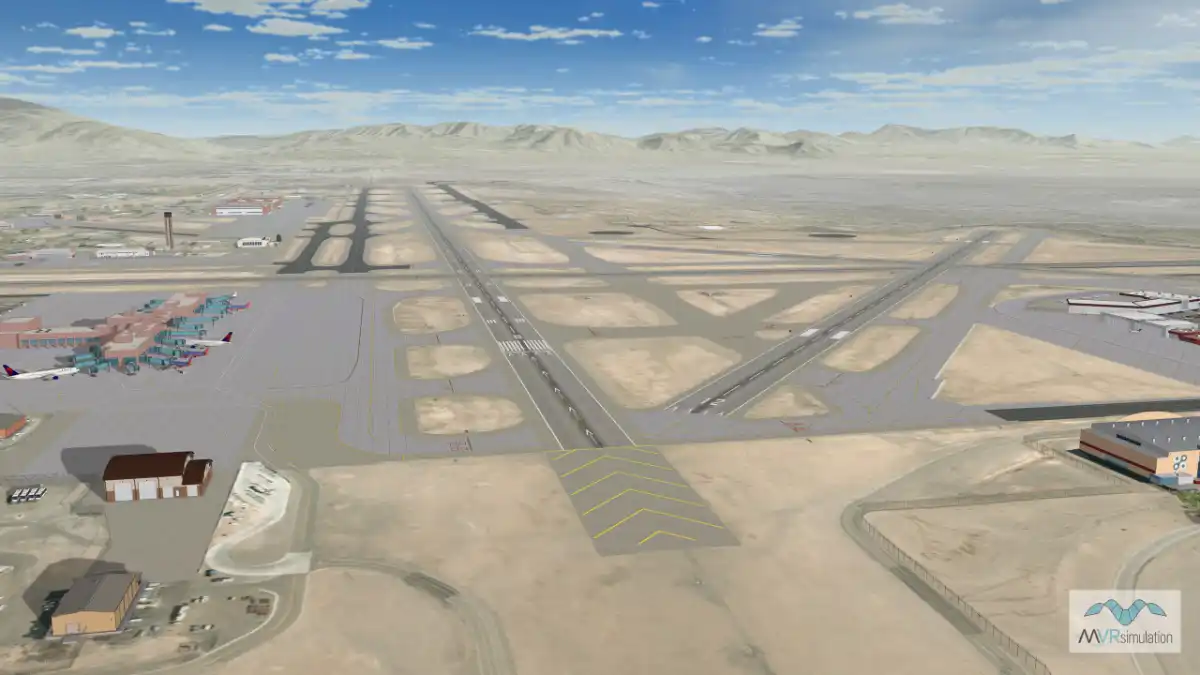
Today, Kirtland’s mission portfolio extends far beyond its original purpose. It supports nuclear weapons research, special operations aviation, and advanced testing programs, making it one of the most multifaceted bases in the country. Its shared use with Albuquerque International Sunport further highlights its adaptability, seamlessly blending military and civilian aviation demands. Decades after its construction, Kirtland’s runway continues to demonstrate how Cold War-era infrastructure remains deeply relevant in modern aviation.
Fairchild Air Force Base: Fueling Global Reach at 13,899 Feet
Ranking fourth is Fairchild Air Force Base in Washington State, featuring a runway length of 13,899 feet (4,236 meters). Originally established during World War II as a repair depot, the base evolved into a critical hub for heavy bomber operations during the Cold War, hosting aircraft like the B-17, B-29, and later the iconic B-52 Stratofortress.
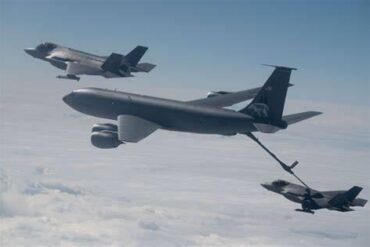
In its modern role, Fairchild is synonymous with aerial refueling, serving as home to the 92nd Air Refueling Wing and its fleet of KC-135R Stratotankers. These aircraft play a pivotal role in extending the operational range of U.S. and allied forces, effectively acting as airborne fuel stations. Fully loaded tankers require substantial runway distance for takeoff, especially when tasked with long-duration missions carrying maximum fuel loads.
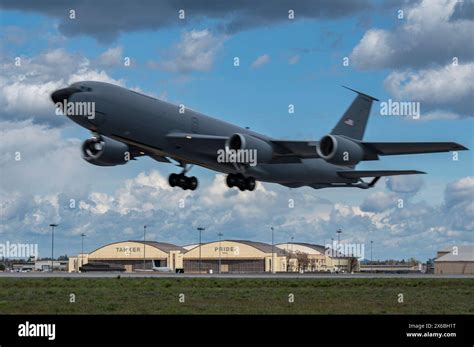
One of Fairchild’s defining features is its enhanced safety design, including paved overruns that extend beyond the main runway. These additional surfaces provide crucial stopping distance in the event of aborted takeoffs or landing overruns, reflecting the operational realities of handling large, heavy aircraft. This emphasis on safety margins underscores a broader principle in military aviation: every phase of flight must account for worst-case scenarios.
Far from being a relic of past requirements, Fairchild’s nearly 14,000-foot runway is a vital enabler of modern global airpower, ensuring that refueling missions can launch reliably under a wide range of conditions.
Eielson Air Force Base: Arctic Operations on a 14,530-Foot Runway
Eielson Air Force Base in Alaska ranks third, with a runway measuring approximately 14,530 feet (4,428 meters). Its history is deeply intertwined with the evolution of U.S. military aviation, particularly during the Cold War, when it was expanded to support the massive Convair B-36 Peacemaker, one of the largest bombers ever built.
Operating in Alaska presents a unique and unforgiving set of challenges. Extreme cold, snow, and ice can dramatically reduce runway friction, complicating both landing and braking performance. In such conditions, longer runways provide essential safety margins, allowing aircraft to operate effectively even when environmental factors degrade performance.
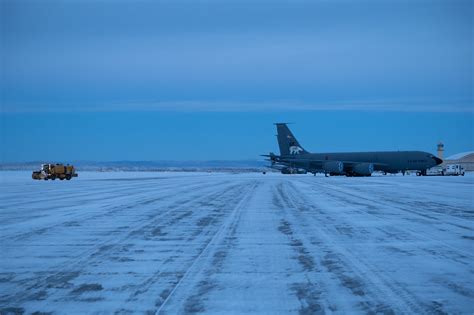
Today, Eielson serves as a key hub for fifth-generation fighter operations, hosting multiple squadrons of F-35A Lightning II aircraft. While these advanced fighters do not inherently require such long runways under standard conditions, the additional length enhances operational flexibility. It allows for safer operations during high-tempo missions and provides a buffer against the unpredictable nature of Arctic weather.
Eielson’s runway exemplifies a recurring theme in military infrastructure: what was built for one generation of aircraft often proves invaluable for the next. Originally designed for massive bombers near the Soviet frontier, it now supports some of the most advanced fighters in the world, reinforcing the importance of long-term strategic planning.
Vandenberg Space Force Base: Bridging Air and Space at 15,000 Feet
Second on the list is Vandenberg Space Force Base in California, boasting a runway length of 15,000 feet (4,572 meters). This airfield stands apart due to its unique role at the intersection of aviation and space operations, supporting missions that extend far beyond Earth’s atmosphere.
Unlike traditional air bases, Vandenberg is heavily involved in satellite launches, missile testing, and aerospace experimentation. Its runway is designed to accommodate specialized aircraft involved in these missions, including those responsible for transporting payloads or supporting recovery operations. The need for flexibility and reliability in such high-stakes activities necessitates a longer runway.
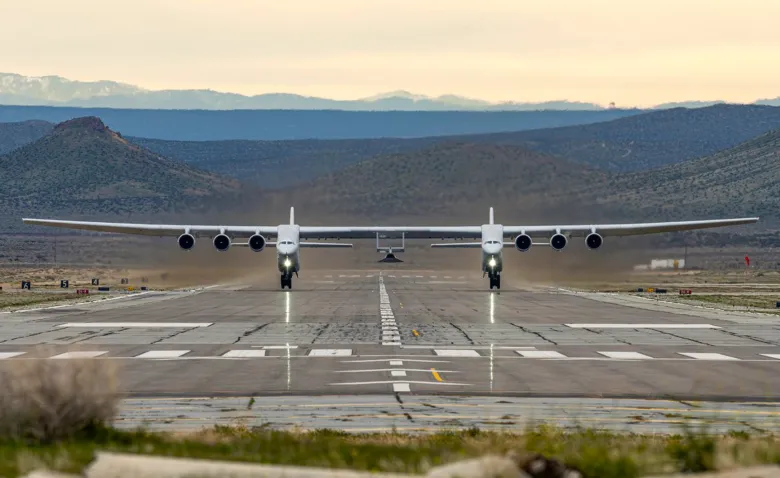
The base’s coastal location introduces additional complexities, including marine layers, fog, and crosswinds. These environmental factors can complicate flight operations, making extended runway length a critical safety feature. Pilots must be prepared for rapidly changing conditions, and the extra distance provides a margin of error that can make all the difference.
Vandenberg illustrates how modern military aviation is no longer confined to traditional roles. Here, the runway serves as a critical link in a broader aerospace ecosystem, supporting missions that bridge the gap between atmospheric flight and orbital operations.
Edwards Air Force Base: The Ultimate Testbed at 15,024 Feet
At the top of the ranking is Edwards Air Force Base in California, home to the longest runway in the U.S. military at 15,024 feet (4,580 meters). Located in the Mojave Desert, Edwards is synonymous with flight testing, innovation, and aerospace breakthroughs.
What truly sets Edwards apart is not just its paved runway but its surrounding environment. The base is adjacent to Rogers Dry Lake, a विशाल natural surface that provides an additional 9,000 feet of overrun. This effectively creates one of the longest and safest landing environments in the world, particularly for experimental aircraft with unproven handling characteristics.
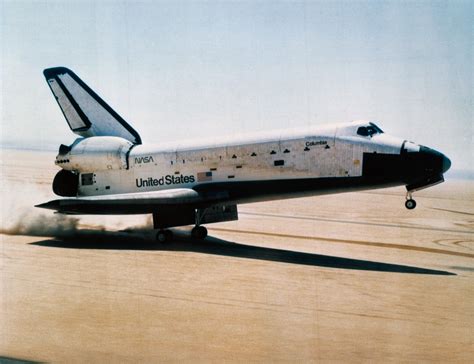
Edwards has played a central role in some of the most significant milestones in aviation history. It served as the primary backup landing site for NASA’s Space Shuttle program, hosting 54 landings between 1981 and 2009. From the first supersonic flights to cutting-edge stealth technology, nearly every major U.S. Air Force aircraft has undergone testing here.
The runway at Edwards is designed not just for known aircraft but for the unknown. Experimental platforms may have limited braking capability or unpredictable flight behavior, making extended landing distances essential. In this environment, every additional foot of runway contributes to both safety and innovation, enabling engineers and pilots to push the boundaries of what is possible.
Runway Length as a Strategic Asset in Military Aviation
Across these five airfields, runway length emerges as a direct reflection of operational necessity rather than excess. Each base is tailored to its environment, whether compensating for high-altitude conditions in New Mexico, icy runways in Alaska, or the demands of experimental testing in California’s deserts.
These runways also highlight the enduring importance of infrastructure longevity. Many were constructed during the Cold War, yet they continue to support modern missions ranging from stealth fighter deployments to space operations. This continuity underscores a fundamental reality: while aircraft technology evolves rapidly, the infrastructure that supports it must be built to last for generations.
Long runways are more than engineering achievements—they are strategic enablers. They allow the United States military to project power globally, operate safely in extreme conditions, and maintain the flexibility needed to adapt to emerging challenges. Whether launching a fully loaded tanker, recovering an experimental aircraft, or supporting a space mission, these airfields form the backbone of American airpower.
In the end, the length of a runway is not just a number. It is a reflection of capability, preparedness, and ambition, stretching far beyond the horizon—quite literally.