The United States Air Force operates an extraordinary network of runways engineered to support some of the most demanding aircraft missions on Earth. These immense airfields, stretching from the scorching deserts of Nevada to the icy expanse of Alaska and the vast open terrain of California’s high plateau, must routinely accommodate fighters, bombers, transports, experimental prototypes, and aircraft so heavy that every additional foot of pavement holds strategic value. Runway length is not a luxury across these installations—it is the foundation upon which the Air Force’s global reach, rapid mobility, and advanced flight testing depend.
Across varied climates and elevations, aircraft performance fluctuates dramatically. High temperatures reduce thrust and lift, freezing conditions increase braking distances, and high-altitude environments place steep aerodynamic penalties on even the most powerful airframes. Long runways provide operational flexibility, safety margin, and mission endurance. They ensure that crews can depart at maximum gross weight, conduct specialized testing profiles, execute emergency procedures, and land safely in some of the most challenging atmospheric conditions encountered anywhere in the world. The following in-depth analysis explores the five longest runways in the United States Air Force, each shaped by decades of strategic demands, geographic challenges, and technological evolution.
Nellis Air Force Base, Nevada – 10,120 Feet (3,085 Meters)
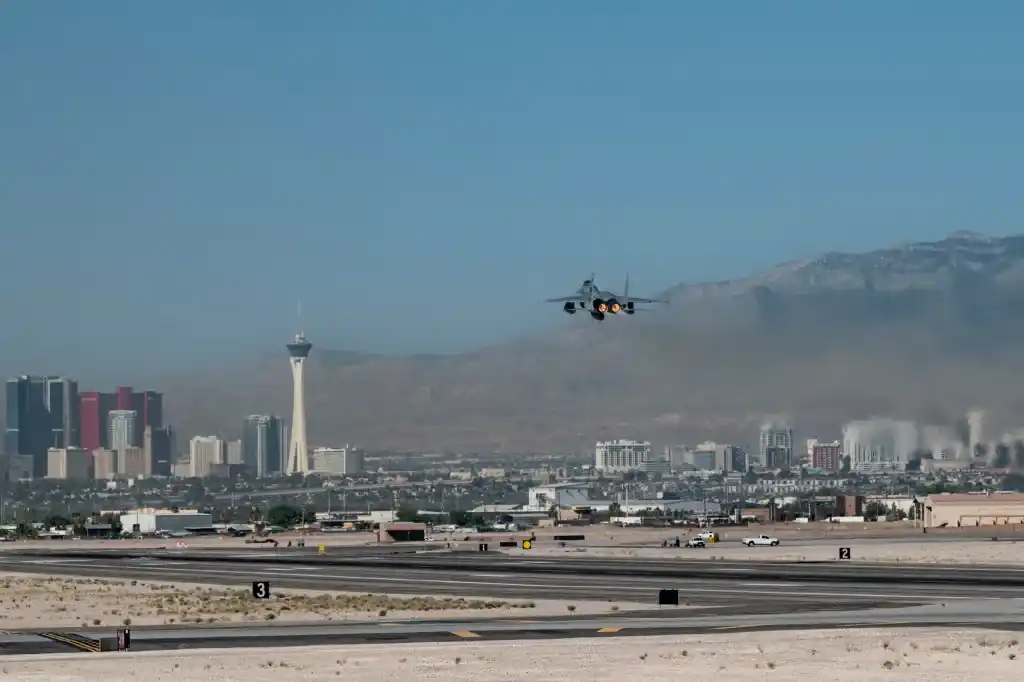
Nellis Air Force Base anchors the tactical aviation heart of the United States. Positioned beside the Las Vegas Valley and operating under intense desert conditions, its 10,120-foot runway supports one of the busiest and most complex fighter environments on Earth. This airfield functions as the central hub for the Air Force Warfare Center, hosting Red Flag exercises, advanced weapons school training, large-force integrations, and transient operations ranging from stealth aircraft to bombers and foreign tactical jets.
Daily activity at Nellis stresses the airfield in ways few bases experience. The region’s soaring summer temperatures routinely exceed 110°F, creating extreme “high density altitude” conditions that significantly diminish engine thrust and aerodynamic lift. Fighters such as the F-35 and F-22 require longer takeoff rolls under these circumstances, and visiting aircraft—particularly transports and older-generation jets—face even greater performance penalties. The runway’s generous length provides essential margin during peak training surges, high-energy recoveries, and emergencies in which pilots must manage both heat and thin desert air.
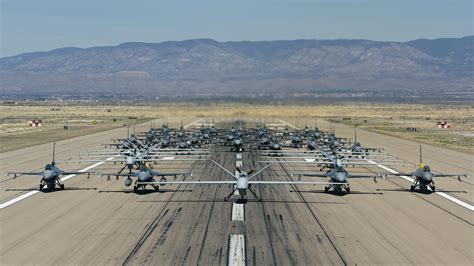
Historically, Nellis began as a World War II gunnery school and later evolved into the premier tactical training installation for the jet age. Its runway has been expanded and reinforced multiple times to support successive generations of aircraft with increasing weight, performance, and operational demands.
Kirtland Air Force Base, New Mexico – 13,795 Feet (4,205 Meters)
Kirtland Air Force Base in Albuquerque operates one of the longest and most versatile runways in the Air Force, stretching 13,795 feet across high plateau terrain more than a mile above sea level. The installation shares its airfield with Albuquerque International Sunport, a dual-use arrangement that intensifies operational tempo while demanding absolute reliability from the runway surface.
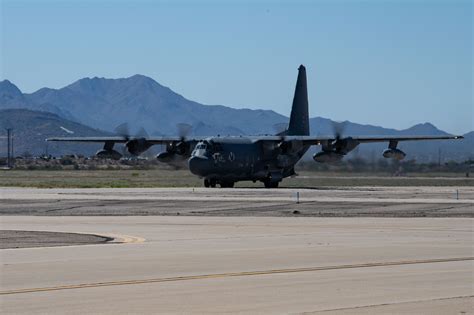
Kirtland’s vast length is essential for aircraft departing at heavy weight in thin, high-altitude air. Fully loaded transports, tankers, special operations aircraft, and research flight platforms all require significantly increased takeoff distance. For example, C-17s can require more than 20–30% additional runway at this elevation, while older platforms such as the KC-10 or C-5M experience even greater margins. The nearly 14,000 feet available ensure safe departure performance even during the region’s hot, dry summers, when pressure altitude rises and aircraft struggle for lift.
The base’s history is tied closely to nuclear research, special operations testing, and weapons development. Since the 1940s, Kirtland has played a central role in America’s most sensitive missions, from the Manhattan Project era to modern aerospace experimentation. Its runway supports a broad range of operations that include developmental test aircraft, classified research missions, and global special operations deployments. This diversity, combined with high-altitude environmental stress, continues to justify its massive runway footprint.
Eielson Air Force Base, Alaska – 14,530 Feet (4,429 Meters)
Deep within Alaska’s frozen interior, Eielson Air Force Base operates a 14,530-foot runway built to withstand the rigors of Arctic aviation. Temperatures commonly plunge below –40°F, a level at which hydraulic fluids thicken, engines spool slowly, and runway braking coefficients change minute by minute as ice, frost, or blowing snow accumulate across the pavement. Eielson’s runway length provides crucial margin when heavy aircraft must accelerate on frozen surfaces, or when fighters return with reduced braking effectiveness.
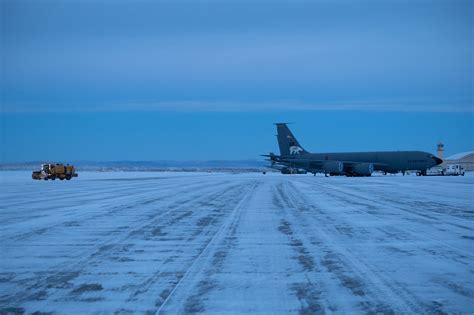
The airfield’s operations peak during Red Flag–Alaska, a multinational training event requiring coordinated arrivals from across the Indo-Pacific and continental United States. Aircraft frequently land at heavy fuel weights after long-distance flights, and the extended runway provides a wide safety buffer under these challenging conditions. During Arctic winter nights, rapid weather changes and low visibility make the additional length indispensable for both tactical fighters and large transports.
Eielson’s historical significance dates back to World War II, when it supported Lend-Lease aircraft bound for the Soviet Union. Through the Cold War and into the present, its proximity to the Arctic and Russia has made it strategically vital. Its runway supports long-range deterrence missions, rapid deployments, and potential future polar transit operations as geopolitical interest in the Arctic intensifies.
Elmendorf Air Force Base, Alaska – 14,998 Feet (4,571 Meters)
Now part of Joint Base Elmendorf–Richardson, Elmendorf’s nearly 15,000-foot runway stands as one of the most formidable aviation assets in the Air Force. Built during World War II and expanded through the Cold War—when it hosted NORAD interceptors guarding the northern approaches to North America—its runway reflects decades of strategic urgency.
Elmendorf supports critical operations in the Indo-Pacific region, hosting F-22 Raptors, air mobility units, and aircraft tasked with defending the northern hemisphere. Its length becomes especially valuable during Alaska’s severe winters, when low visibility, icing, and compacted snow require long landing distances and conservative approach profiles. Heavy airlift platforms such as the C-17 and KC-135 rely on the full performance margin when carrying large fuel or cargo loads into the region.
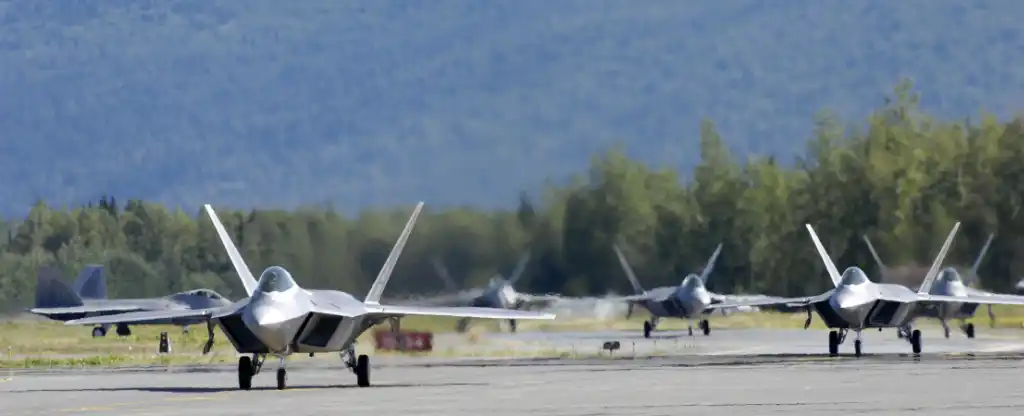
The runway’s endurance, reinforced pavement strength, and year-round readiness make Elmendorf one of the most capable airfields in the United States military, directly supporting both national defense and broader theater operations across the Pacific.
Edwards Air Force Base, California – 15,024 Feet (4,580 Meters)
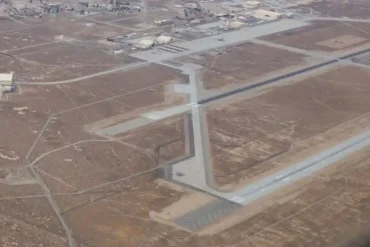
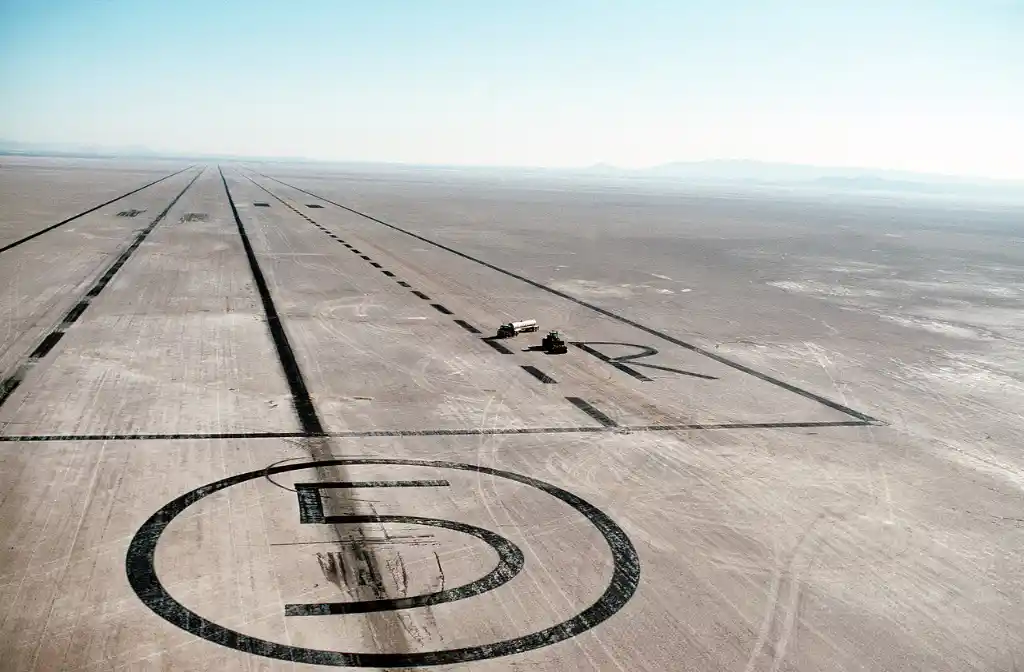
Edwards Air Force Base possesses the longest paved runway in the United States Air Force, stretching an extraordinary 15,024 feet across California’s high desert. This runway exists not merely for operations but for experimentation—the very essence of Edwards’ mission. It has hosted the dawn of supersonic flight, the peak of rocket-powered research aircraft, the most classified stealth test programs, and the first flights of nearly every major U.S. Air Force aircraft developed in the modern age.
Experimental and developmental aircraft often require extended takeoff rolls, high-energy landing profiles, or emergency options when testing unknown or expanding flight envelopes. Edwards’ runway offers unmatched margin for flameout approaches, high-drag configurations, and first-flight recovery procedures where safety and data collection take priority. The desert’s intense heat amplifies the need for length, as test aircraft frequently operate at weight, speed, and aerodynamic configurations that demand absolute precision and maximum available distance.
Beyond the paved runway lies the iconic expanse of Rogers Dry Lake, a natural landing area stretching for miles. These dry lakebeds have served as emergency landing sites for aircraft with unpredictable behavior, as well as touchdown zones for the Space Shuttle. Together, the paved runway and the lakebeds provide a test environment unmatched anywhere in the world.
Why Runway Length Defines USAF Capability
Across the Air Force, runway length shapes every aspect of mission execution. Heavy bombers such as the B-52 and transports like the C-5M require immense distances to accelerate under full load, while tactical aircraft benefit from extended recovery margins during emergencies or degraded conditions. Environmental extremes, whether sweltering desert temperatures or Arctic ice, can rapidly erode expected performance. The longest runways provide resilience when conditions shift suddenly, missions intensify, or new technologies introduce unknown aerodynamic behavior.
As next-generation bombers, advanced unmanned systems, and high-energy test vehicles enter service, these runways will continue to serve as the backbone of national airpower. The five installations highlighted here represent the peak of runway engineering and provide a window into the operational, strategic, and experimental demands of the modern United States Air Force. Their immense lengths are not just measurements—they are enablers of global reach, technological progress, and air dominance for decades to come.