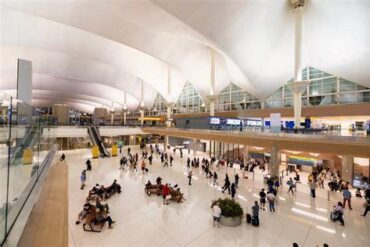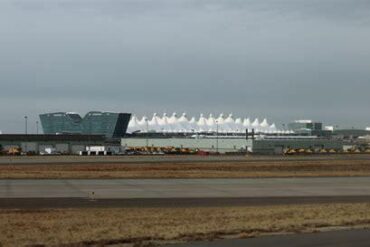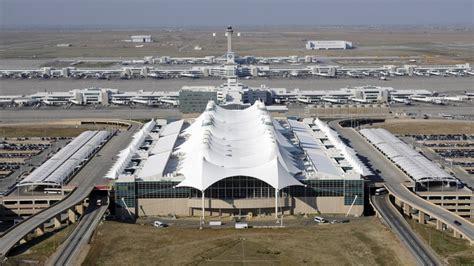
Denver International Airport (DEN) is not just another sprawling air transit hub; it is a masterclass in strategic aviation engineering. The Mile High City’s airport boasts some of the longest runways on Earth, and their existence is no accident. Every inch of those concrete strips tells a story of foresight, physics, and future-readiness.
Thin Air, Long Runways: The Altitude Challenge
Denver sits at an elevation of over 5,400 feet (1,646 meters) above sea level. This elevation drastically impacts aircraft performance due to what aviators refer to as the “hot-and-high” environment. At higher altitudes, the air is thinner, which reduces the lift generated by wings and decreases the thrust produced by jet engines. Aircraft require greater takeoff speed and therefore longer runways to become airborne safely.
Compounding the problem is the city’s hot summer climate, which further thins the air by lowering its density. On sweltering days, the density altitude can feel thousands of feet higher than it actually is. Without adequate runway length, planes would face dangerous limitations: curtailed passenger loads, reduced cargo capacity, and even restricted flight ranges.
Runway 16R/34L: North America’s Longest Commercial Runway
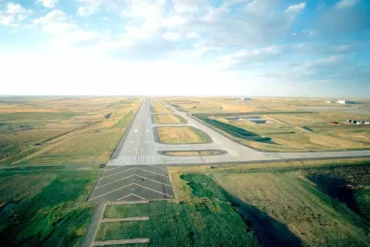
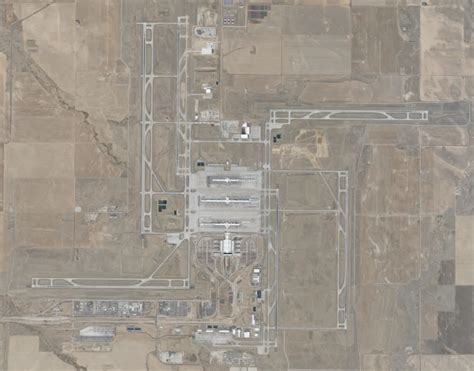
Denver International’s runway 16R/34L measures a staggering 16,000 feet (4,877 meters)—the longest commercial runway in North America. It stands as an aviation marvel, offering more than three miles of concrete engineered to overcome the challenges posed by elevation and heat. This isn’t simply a prestige project; it’s a necessity for full-capacity international flights and widebody aircraft operations.
Beyond this flagship, the airport features five additional runways—each stretching 12,000 feet (3,658 meters)—all longer than typical U.S. commercial runways. This scale gives the airport exceptional operational flexibility and ensures its role as a critical node in domestic and international aviation.
Engineered For Performance, Not Prestige
Denver’s elongated runways are performance tools crafted with purpose. Long takeoff rolls and sluggish climbs, both symptoms of high-altitude aviation, can be managed with the surplus length. These runways also serve as a safeguard for rejected takeoffs, allowing pilots more room to halt a fully loaded jet in emergencies.
Longer runways also mitigate economic penalties. Airlines often face payload restrictions at altitude-constrained airports. These restrictions force aircraft to fly lighter—fewer passengers, less cargo, and often less fuel, which reduces range. But Denver’s design helps sidestep these limitations, allowing heavier takeoffs and extended range, even on scorching summer days.
Winter Warriors: Durability in All Seasons
Denver’s infrastructure is built for both blistering heat and brutal winters. The airport endures cycles of snow, ice, and freeze-thaw conditions. Long, wide runways give operational breathing room during de-icing and snow removal, which helps maintain schedule integrity.

The materials used in Denver’s runways are designed for durability under heavy loads and seasonal extremes. This resilience is vital for an airport serving over 69 million passengers annually. Long-term performance is non-negotiable in such a high-volume environment.
Safety Margins That Inspire Confidence
Aviation thrives on safety margins, and Denver’s expansive runways deliver on this front. Pilots rely on detailed performance charts that take into account altitude, aircraft weight, temperature, wind, and runway condition. At higher altitudes, those charts demand more runway.
A longer runway allows for flexibility when real-world conditions shift—be it wind shear, a wet surface, or minor deviations from ideal descent angles. These margins translate into safer takeoffs and landings, and fewer delays due to environmental or mechanical variances.
Room to Grow: Denver’s Spatial Advantage
Most major airports are hemmed in by urban sprawl, water, or terrain. Denver International sits on 53 square miles (137 square kilometers) of open plains northeast of the city, making it the second-largest airport in the world by area. This abundant space was a conscious planning decision that continues to pay dividends.
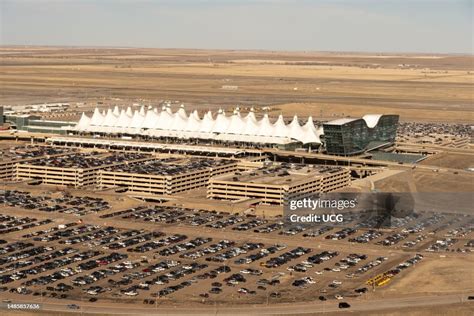
This vast footprint allows for optimal runway placement, aligning perfectly with prevailing winds and avoiding awkward configurations. It also gives DEN the freedom to build new runways or terminals without political or financial gridlock. This flexibility ensures the airport can scale alongside growing demand, positioning it as a future-proof global hub.
Hosting the Giants: Airbus A380 Operations
The airport’s capacity is more than theoretical. It’s been proven through operations of the Airbus A380, the largest passenger aircraft in the world. When Lufthansa brought the A380 to Denver, it wasn’t just a show of international connectivity—it was proof that DEN’s infrastructure could meet the demands of the aviation elite.
Operating an A380 requires more than just runway length. Taxiways must support its wide turning radius. Gates must fit its double-decker frame. Apron strength must endure its enormous weight. Denver ticks all those boxes—and then some. The long runways reduce the takeoff penalty caused by altitude, allowing the aircraft to depart fully fueled and fully loaded, without compromise.
Strategic Centrality and Operational Versatility
Denver’s geographic location makes it a strategic midpoint between the coasts. This positioning makes it ideal as a transfer hub, particularly for airlines like United. But it’s the infrastructure—the runways, taxiways, terminals, and surrounding land—that transforms strategic geography into practical reliability.
Other airports like Salt Lake City may face similar demand but lack the expansion room. Coastal airports like JFK or LAX battle space constraints and air traffic congestion. Denver, by contrast, combines open space, smart planning, and future-ready design, creating a blueprint for how next-generation global airports should be built.
Looking Ahead: Expansion Without Limitation
As aviation evolves—with heavier, quieter, and more efficient jets—airports must keep pace. Denver is uniquely positioned to grow without limits. Additional runways can be added without rerouting traffic. Terminals can be extended without expropriating neighborhoods. Maintenance can proceed without shutting down core operations.
Denver International is not just meeting today’s needs; it is architected for the next 50 years. Its long runways are a symbol of that ambition: tools built not merely for current aircraft, but for the future of flight itself.
Conclusion: A Masterclass in Aviation Foresight
The length of Denver’s runways is not a quirky statistic. It’s a manifestation of a grand vision—a vision that blends physics, engineering, economics, and geography into a coherent whole. It’s why international carriers trust Denver as a launch point for long-haul flights. It’s why airline planners view DEN as a flexible alternative to congested hubs.
Ultimately, Denver International Airport’s long runways are the backbone of its global capability. They ensure safety, enable growth, and guarantee that, regardless of what the sky throws at us—heatwaves, snowstorms, or heavy payloads—Denver remains cleared for takeoff.