When traveling through Denver International Airport (DEN), Southwest Airlines passengers may find themselves in an unexpected situation: their flight does not arrive at the same concourse from which it originally departed. For travelers familiar with airport routines, this might seem unusual or confusing. However, there are several operational reasons behind this practice, and it is a result of Southwest Airlines’ unique operational structure combined with the logistics of Denver’s large, busy airport.
Southwest Airlines’ Operational Model and Its Impact on Flight Arrivals
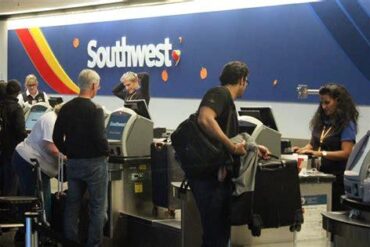
Southwest Airlines is known for its point-to-point service model, which focuses on direct flights between airports rather than using traditional hub-and-spoke networks. This operational style allows Southwest to offer more flexible schedules and lower costs by avoiding layovers and connecting flights. However, it also creates challenges when it comes to managing gate availability, especially at large, high-traffic airports like Denver International Airport.
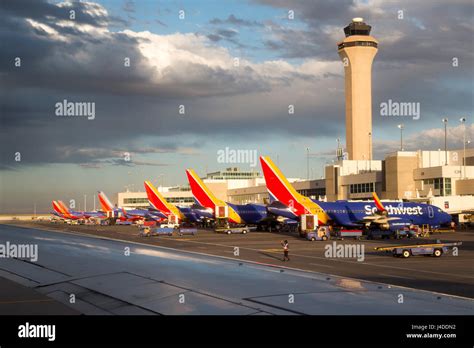
At Denver International, Southwest Airlines primarily operates out of Concourse C, but due to the high volume of flights, gate congestion can occur. This can force Southwest Airlines to rely on gates at other concourses for incoming flights, creating situations where a flight departing from Concourse C may land at a completely different concourse, such as Concourse B or Concourse A. These gate assignments are not random; they are driven by the need to maintain efficient operations, reduce turnaround times, and minimize delays.
The Role of Gate Congestion and Capacity Limitations at Denver International Airport
Denver International Airport is one of the busiest airports in the United States, handling millions of passengers each year. The airport’s expansive layout and complex infrastructure require meticulous planning to ensure smooth operations. With multiple airlines competing for limited gate space, gate congestion is a common issue at peak times. Southwest Airlines, with its high-frequency flights and growing passenger demand, is particularly affected by this.
To understand why some Southwest Airlines flights don’t arrive at the same concourse they depart from, it is essential to recognize the airport’s capacity limitations. While Denver’s terminals are designed to accommodate large volumes of traffic, there simply aren’t enough gates at each concourse to handle all arriving flights during busy periods. This is particularly noticeable when there are multiple Southwest Airlines departures and arrivals scheduled in a short window of time, leading to the need to assign gates across different concourses.
This gate juggling is especially prominent during peak travel times when the airport experiences its highest traffic volumes. During these busy periods, Southwest Airlines’ flights departing from Concourse C may be rerouted to gates in Concourses B and A depending on availability. This operational decision ensures that Southwest Airlines can continue to deliver its flights on time while minimizing delays.
The Mechanics of Aircraft Turnaround and Gate Allocation
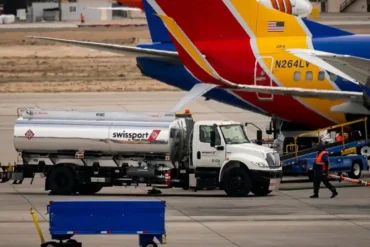
To understand how this process works in practice, it’s helpful to explore the aircraft turnaround procedure. After a flight arrives, the aircraft undergoes a series of routine procedures, including passenger disembarkation, refueling, cleaning, and boarding for the next flight. These procedures must be completed as quickly and efficiently as possible to ensure that Southwest Airlines can maintain its schedule and meet its operational goals.
At Denver International, the high demand for gates during peak periods means that turnaround times must be optimized. Southwest Airlines does not have exclusive use of gates in a single concourse, so flights from one concourse may be rerouted to another concourse if it means faster turnaround. Concourse C, where most Southwest Airlines flights depart from, often experiences congestion because it is one of the most trafficked areas of the airport.
How Denver’s Terminal Layout Contributes to This Issue
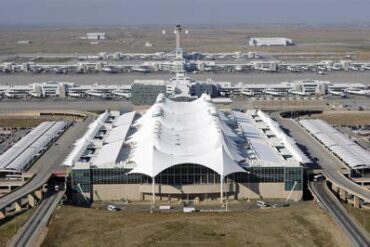
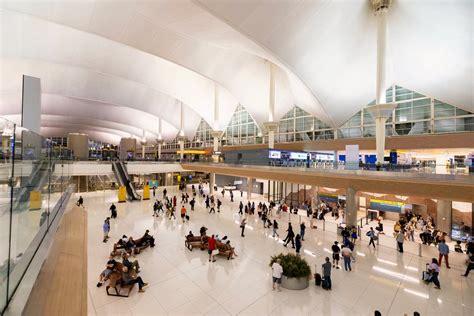
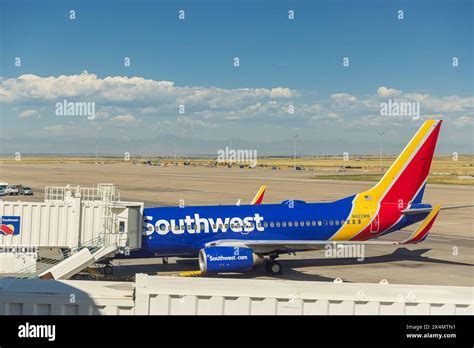
Denver International Airport’s layout is part of the reason why Southwest Airlines flights sometimes land at a different concourse. The airport is structured with three main concourses: A, B, and C. Concourse C is the primary hub for Southwest Airlines, but it is located on the opposite side of the airport from Concourses A and B, which serve other airlines, including major carriers like United Airlines, American Airlines, and Delta Airlines.
This physical separation between concourses means that flights must navigate a complex system of taxiways, airfields, and gates to reach their destination. When a Southwest flight from Concourse C lands at Concourse A or B, the aircraft must taxi across a significant portion of the airport, which takes time. During peak times, the re-routing of incoming flights to other concourses can result in slightly longer taxiing times, but it also helps to ensure that gate resources are utilized effectively.
Passenger Experience: What It Means for Travelers
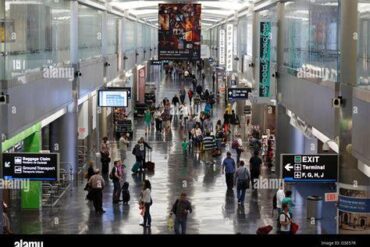
For passengers, arriving at a different concourse than expected can be an inconvenience. After deplaning, travelers may have to take a shuttle bus or walk across long corridors to reach baggage claim, immigration, or their next gate for connecting flights. For those with tight connections, the gate change can add stress and complicate their travel plans.
While Southwest Airlines does its best to minimize these disruptions, passengers must be aware of the possibility of gate changes when flying through Denver International Airport. Fortunately, Southwest Airlines provides helpful tools for navigating the airport, including real-time flight information and updates about gate changes. These can be accessed through their mobile app or displayed on screens throughout the airport.
Solutions and Ongoing Efforts to Improve Gate Management
Southwest Airlines and Denver International Airport are continually working to improve operations and reduce disruptions related to gate assignments. One of the solutions being explored is the development of additional gates at Concourse C to accommodate the growing demand for Southwest Airlines flights. Expanding the number of gates will allow Southwest to handle its high volume of flights more efficiently and reduce the need to assign gates at other concourses.
Moreover, Southwest Airlines is investing in technology to improve gate assignment efficiency. This includes real-time data analytics that help airport operations staff monitor gate availability and manage traffic flow in a more dynamic way. These technological advancements allow for quicker adjustments and better coordination between different airlines operating at the airport.
Conclusion
While it may seem confusing or frustrating for Southwest Airlines passengers to arrive at a different concourse than where they departed, this practice is a direct result of Denver International Airport’s capacity limitations and the unique operational model of Southwest Airlines. Gate congestion, aircraft turnaround times, and Denver’s airport layout all contribute to this occurrence. By continuing to invest in infrastructure improvements and technological solutions, both Southwest Airlines and Denver International Airport aim to reduce the impact of gate reassignments and enhance the overall travel experience for passengers.
In the meantime, travelers flying through Denver should remain aware of the possibility of gate changes and plan accordingly. With a little patience and understanding of the logistics involved, passengers can navigate these operational challenges with greater ease and confidence.