In a dramatic escalation of its military capabilities, Ukraine’s Security Service (SBU) has launched a sweeping drone offensive deep inside Russian territory, targeting and reportedly damaging or destroying 41 Russian military aircraft, including a number of strategic bombers. The bold operation, dubbed “Spiderweb” (Pavutyna), marks one of Ukraine’s most ambitious cross-border strikes since the start of the full-scale war, showcasing a new level of technological prowess and operational reach.
Strategic Bombers Ablaze: Ukraine’s Deep Strike Revealed
According to SBU officials, the drones successfully struck four high-value airfields across Russia, inflicting serious damage on aircraft regularly used to attack Ukrainian cities. The targeted bases include Dyagilevo (Riazan region), Ivanovo (Ivanovo region), Belaya air base (Irkutsk region)—located a staggering 4,000 kilometers east of the frontlines in southeastern Siberia—and Olenya air base (Murmansk region), situated about 2,000 kilometers from Ukraine’s border.
The attack was carried out using drones that had been clandestinely smuggled into Russian territory, hidden for extended periods, and then launched remotely in a synchronized operation. The scale and precision of the mission suggest extensive planning and deep penetration of Russian territory by Ukrainian operatives. An SBU source described the airstrikes as the result of a “large-scale special operation aimed at destroying enemy bomber aircraft.”
Russia Confirms Attacks, Tightens Security
Russia’s Defense Ministry confirmed the attacks, though it stopped short of admitting the scale of damage suggested by Ukrainian sources. Governors from the affected regions, including Andrei Chibis of Murmansk and Igor Kobzev of Irkutsk, publicly acknowledged the incidents, with Chibis stating that “security measures have been strengthened” across military installations in the region.
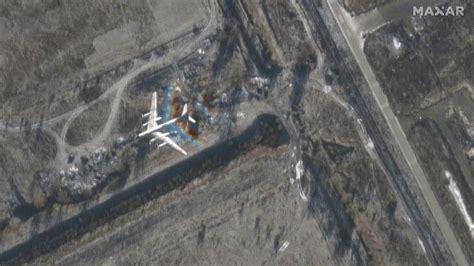
Satellite imagery analyzed in the aftermath of the strikes suggests that the aircraft targeted were not decoys or support craft, but high-value strategic bombers and command-and-control planes. These include:
- Tu-95: A Cold War-era turboprop bomber adapted for launching cruise missiles. These aircraft have been a mainstay of Russian long-range bombardment strategies.
- Tu-22M3: Capable of carrying Kh-22 and Kh-32 cruise missiles, this supersonic bomber is among the fastest in the Russian arsenal, exceeding Mach 4 speeds.
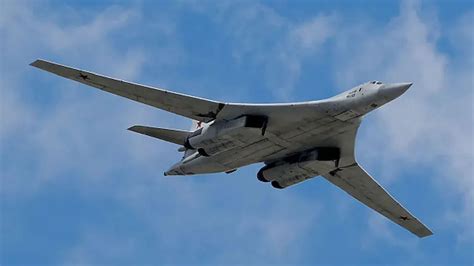
- Tu-160: Known as the “White Swan”, this supersonic variable-sweep wing heavy bomber is the largest and heaviest combat aircraft in the world.
- A-50: A radar surveillance aircraft similar to the American AWACS, used to detect air defenses and guide fighter jets to targets.
Ukrainian Drones: A New Strategic Frontier
This unprecedented operation underscores Ukraine’s rapidly advancing unmanned aerial vehicle (UAV) capabilities, particularly in terms of range, payload, and stealth. In March, Ukraine disclosed it had developed a new class of long-range drone capable of flying up to 3,000 kilometers, though technical specifics, including warhead types and operational limitations, were withheld.
The successful execution of Operation Spiderweb demonstrates the operational effectiveness of these drones in deep-strike missions—a previously unattained goal for Ukraine’s military industry. Military analysts believe these drones were likely stored near the target zones for weeks or even months, before being activated in a simultaneous multi-front launch, a feat that would have required precise coordination and secure communication infrastructure.
Strategic Implications: Moscow’s Air Superiority Under Pressure
The destruction or damage of such a significant number of aircraft—particularly strategic bombers—could prove a major blow to Russia’s long-range strike capabilities. Bombers like the Tu-95 and Tu-160 are central to Moscow’s strategy of launching stand-off missile attacks, often from airspace far from Ukrainian air defenses. Losing even a fraction of this fleet not only limits Russia’s ability to conduct such attacks but also forces the redeployment of surviving aircraft, straining Russia’s logistics and operational tempo.
Moreover, the successful attack on airfields located as far as 4,000 kilometers from active battle zones illustrates a potential shift in the geography of the war. Until now, Russia had largely operated under the assumption that its interior bases were immune to Ukrainian retaliation. That strategic buffer appears to have evaporated overnight.
Zelenskyy’s Statement: National Security at the Forefront
President Volodymyr Zelenskyy confirmed that Ukraine’s top leadership, including the Ministries of Defence and Foreign Affairs, the General Staff, and the SBU, were in active consultation during the operation. Zelenskyy emphasized Ukraine’s commitment to protecting its sovereignty, independence, and citizens, stating:
“We are doing everything to protect our independence, our state and our people.”
The president also tied the military developments to diplomatic efforts, noting he would be defining Ukraine’s position ahead of a high-stakes meeting in Istanbul, scheduled for Monday. The talks mark the second round of negotiations between Ukraine and Russia, where Kyiv plans to prioritize an unconditional ceasefire, the release of prisoners, and the return of deported Ukrainian children.
Russia’s Aerial Vulnerabilities Exposed
While Russia has invested heavily in electronic warfare and anti-drone technologies, the success of this multi-airfield attack suggests either a serious failure in radar detection systems or insider assistance in enabling drone deployment. The A-50 aircraft, specifically designed to detect such threats, ironically became one of the targets.
Security experts have long speculated that Russia’s strategic aviation infrastructure was poorly protected relative to its nuclear assets. The vulnerability stems partly from outdated air defense deployments around remote bases, some of which date back to the Soviet era. Ukraine’s ability to exploit these weaknesses hints at intelligence leaks, advanced satellite coordination, or even human assets operating within Russian territory.
Escalation Risks: How Far Will Russia Go?
The psychological and symbolic blow of this attack could prompt retaliatory escalations from the Kremlin. With strategic bombers targeted inside Russian territory, there is a growing concern among international observers that Moscow might intensify long-range missile attacks on civilian infrastructure in Ukraine or accelerate operations in contested areas like Kharkiv and Donetsk.
That said, the attacks could also reinforce Ukrainian deterrence, showcasing that any further escalations could invite reciprocal strikes on key Russian assets. Western allies will likely monitor Russia’s response closely, especially given that the long-range drones could pose a threat to sensitive infrastructure in regions far beyond the traditional theater of war.
Looking Ahead: A Tactical and Psychological Victory
Operation Spiderweb marks a military and psychological victory for Ukraine. By taking the fight deep into Russian territory and inflicting tangible losses on high-value assets, Ukraine has upended conventional war assumptions and demonstrated a clear advancement in asymmetric warfare tactics. It signals to Moscow—and to the international community—that Ukraine is not only defending but also capable of striking strategically.
Whether this will significantly impact the trajectory of the war remains to be seen. But what is certain is that the rules of engagement have shifted. With drones now reaching deep into the Russian heartland and successfully hitting strategic targets, the war is entering a new, more volatile and unpredictable phase.
For now, the message is clear: Russia’s interior is no longer beyond the reach of Ukrainian resolve and technology.