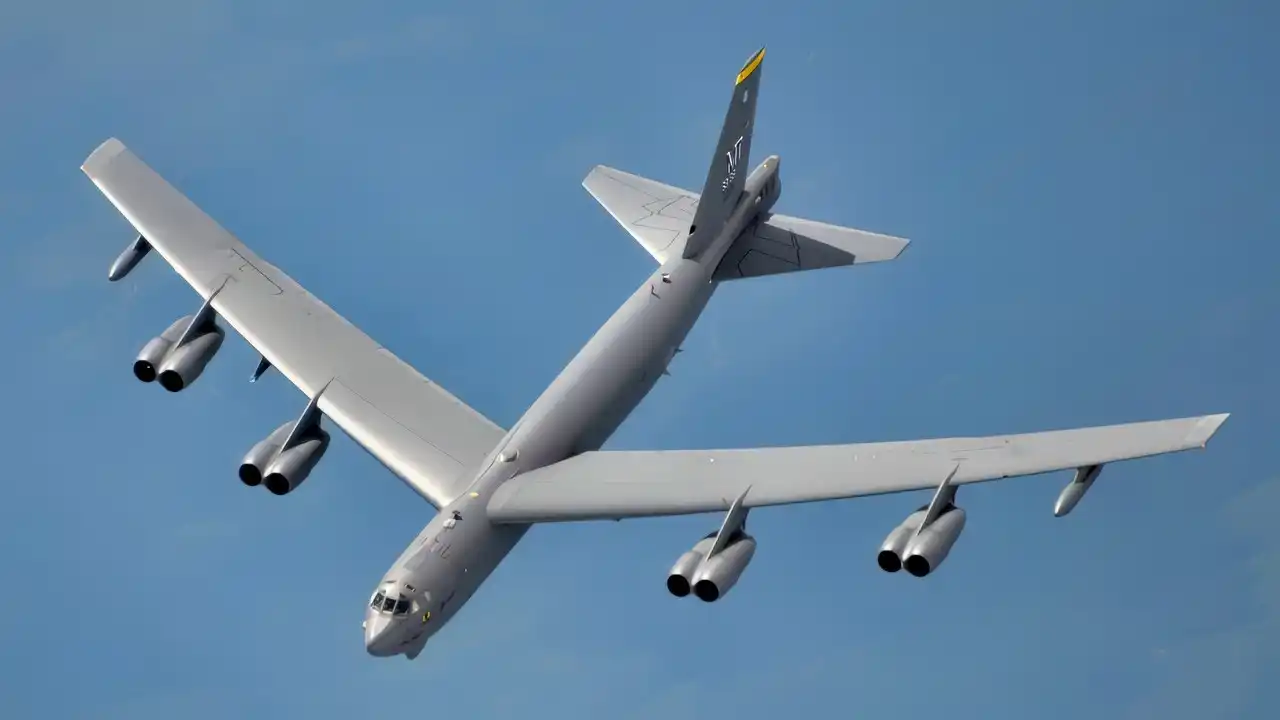
The Boeing B-52 Stratofortress has been flying for nearly seven decades, yet the United States Air Force has no plans to retire the legendary bomber when the next-generation Northrop Grumman B-21 Raider enters operational service. Instead, America’s future bomber fleet will rely on both aircraft operating together, with each platform performing missions that match its unique strengths.
At first glance, keeping an aircraft designed in the 1950s alongside America’s newest stealth bomber may seem unusual. The B-21 represents the latest generation of low-observable technology, advanced sensors, and networked warfare capabilities. The B-52, meanwhile, is a large subsonic bomber whose basic design dates back to the Cold War. However, modern warfare is not simply about owning the most advanced aircraft. It is about having the right combination of survivability, payload, cost, availability, range, and mission flexibility.
The Air Force sees the future bomber force as a partnership between two very different machines. The B-21 Raider will act as a highly survivable penetrating bomber capable of entering heavily defended airspace, while the upgraded B-52J Stratofortress will provide massive firepower from safer distances.
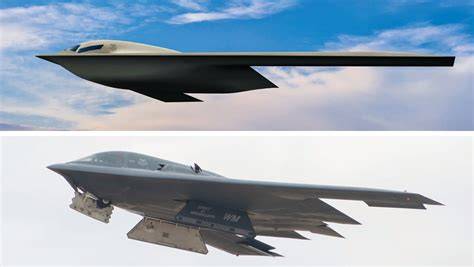
The B-21 Raider Brings Stealth, But Stealth Has Limits
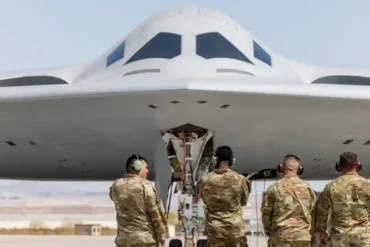
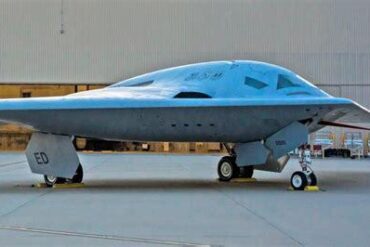
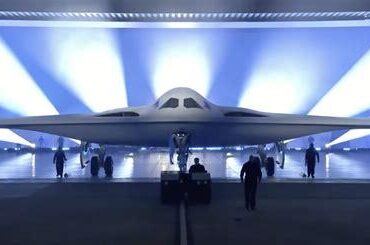
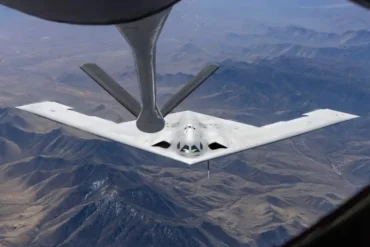
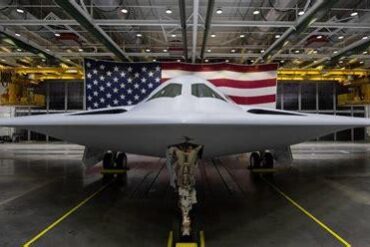
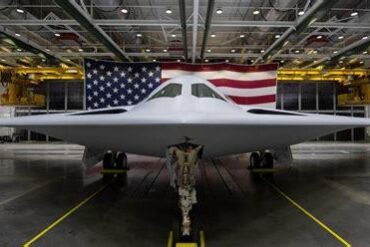
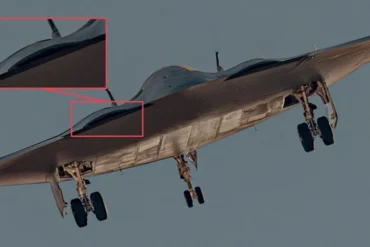
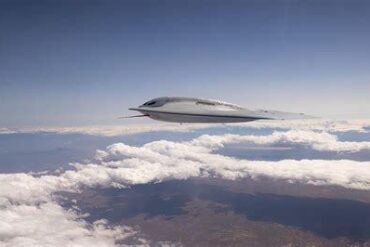
The B-21 Raider is designed to become America’s primary penetrating strategic bomber. Developed by Northrop Grumman, the aircraft builds on decades of stealth bomber experience from the B-2 Spirit while introducing a more maintainable and flexible design.
Unlike previous generations of bombers, the B-21 is intended to operate against some of the world’s most advanced air defense networks. These include systems such as the Russian S-400 and S-500 surface-to-air missile systems, China’s long-range radar networks, advanced fighter aircraft, electronic warfare systems, and increasingly sophisticated detection technologies.
The Raider’s greatest advantage is its ability to penetrate contested environments. By carrying weapons internally, the aircraft reduces radar visibility and improves aerodynamic efficiency. However, the same feature that makes the B-21 difficult to detect also limits how many weapons it can carry.
The B-21’s estimated payload capacity is around 20,000 to 30,000 pounds, depending on configuration. That is a significant capability, but it is less than half the maximum payload of the B-52, which can carry approximately 70,000 pounds of weapons.
Internal weapons bays require every missile and bomb to fit inside a limited space. Large numbers of smaller precision weapons may be possible, but extremely large missile loads remain difficult. This creates a natural division between the stealth bomber and the traditional heavy bomber.
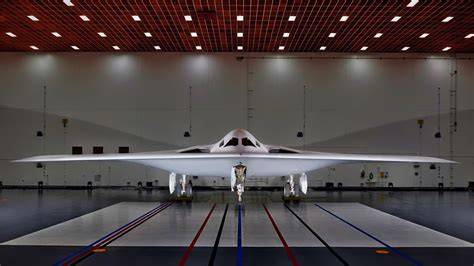
The B-21 is optimized for quality and survivability, not maximum volume.
Why The B-52 Still Provides Unmatched Payload Capacity
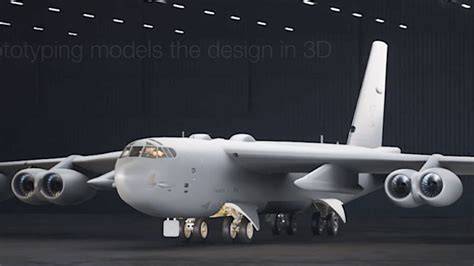
The B-52’s greatest advantage is simple: it can carry an enormous amount of weapons. For decades, the aircraft has served as America’s long-range weapons platform because of its size, durability, and ability to adapt.
The upcoming B-52J modernization program will transform the aging bomber into a significantly more capable aircraft. Instead of replacing the airframe, the Air Force is upgrading the systems around it, extending its operational life well into the 2050s and potentially beyond.
A modernized B-52J will receive new Rolls-Royce F130 engines, replacing the decades-old Pratt & Whitney TF33 engines. These new engines will improve reliability, reduce maintenance requirements, and increase fuel efficiency by roughly 20 to 30 percent.
The upgrade will also improve range, with estimates suggesting the aircraft could gain approximately 1,000 additional nautical miles of ferry range. This matters because future conflicts are expected to occur across vast distances, especially in the Indo-Pacific region.
The B-52J will also receive new weapons integration systems, improved communications, advanced radar, and upgraded defensive equipment. These improvements will allow the bomber to operate as a connected weapons platform rather than simply a Cold War-era aircraft carrying conventional bombs.
The aircraft will not replace the B-21’s stealth capabilities. Instead, it will provide something the Raider cannot easily match: massive weapons capacity available at a lower operating cost.
The B-21 Is The Spear, While The B-52 Is The Arsenal
The future bomber fleet is based on a simple concept: different aircraft should perform different roles.
The B-21 Raider will be the aircraft sent into the most dangerous environments. Its mission will involve destroying heavily defended targets, striking command centers, attacking advanced air defense networks, and creating openings for other forces.
The B-52J will operate differently. It will function more like a long-range missile platform, launching weapons from outside the most dangerous areas.
This approach is especially important because not every target requires a stealth bomber.
In many conflicts, enemy air defenses may be weakened during the opening stages of a campaign. Once those systems are reduced, a platform like the B-52 becomes extremely valuable. It can carry large numbers of stand-off weapons and deliver repeated strikes without requiring the unique capabilities of a stealth aircraft.
The Air Force has already used similar thinking with other aircraft. Advanced platforms are reserved for missions where their special capabilities are necessary, while less expensive aircraft handle missions where those capabilities are not required.
The same logic applies to the B-21 and B-52 partnership.
The B-52 Will Carry Future Long-Range Weapons
One of the most important reasons the B-52 will remain in service is its ability to carry future weapons.
The aircraft is expected to support weapons such as the AGM-181 Long-Range Stand-Off (LRSO) missile, a next-generation nuclear cruise missile designed to replace older systems. Both the B-21 and B-52 will eventually support this mission, giving the Air Force greater flexibility.
However, the B-52’s larger size allows it to carry more weapons in a single mission.
A single B-52J could potentially launch a large salvo of cruise missiles from a safe distance. Achieving the same volume of firepower with B-21 bombers would require multiple stealth aircraft, increasing cost and operational demands.
This does not make the B-52 more advanced than the Raider. It simply means the aircraft fills a different role.
A modern military force needs both precision and quantity. The B-21 provides the precision. The B-52 provides the quantity.
The B-52’s Hidden Role As A Flying Test Laboratory
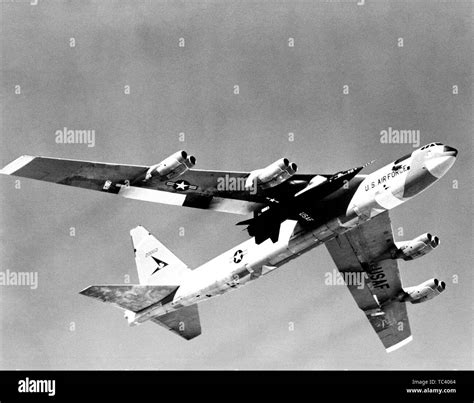
Beyond combat missions, the B-52 has another important role: serving as a test platform for new aerospace technologies.
Large bombers provide advantages during weapons development because they have space, power capacity, and structural strength. Engineers can test large prototypes and experimental systems that may not immediately fit on smaller aircraft.
The B-52 has historically served as a flying laboratory for some of America’s most ambitious aerospace programs. During the Cold War, modified B-52 aircraft carried the North American X-15 rocket plane, which helped achieve some of the fastest speeds ever recorded by a crewed aircraft.
More recently, B-52s have supported testing of advanced missiles, sensors, electronic warfare equipment, and hypersonic weapons.
Programs such as the AGM-183A Air-Launched Rapid Response Weapon (ARRW) used the B-52 as a launch platform during development. The aircraft’s size and strength make it ideal for testing technologies before they move onto operational platforms.
Future concepts could also see the B-52 supporting unmanned systems, next-generation cruise missiles, or other emerging weapons.
Networked Warfare Will Give The B-52 A New Purpose
The B-52’s future depends not only on its weapons but also on its ability to operate as part of a larger network.
Modern warfare increasingly relies on information sharing. Aircraft, satellites, drones, and ground systems must work together to identify targets and coordinate attacks.
The upgraded B-52J will become part of this networked battlefield.
A future mission could involve a B-21 detecting a target inside heavily defended territory, satellites confirming intelligence, other aircraft tracking movement, and a B-52 launching long-range missiles from hundreds of miles away.
In this scenario, the B-52 does not need to enter the most dangerous airspace. It becomes a powerful weapons carrier connected to a broader military system.
This transformation changes the meaning of an old aircraft. The B-52 is no longer simply a bomber. It becomes a flexible node in a modern combat network.
Why America Needs Both The B-21 And B-52
The United States plans to acquire at least 100 B-21 Raiders, with possible expansion beyond that number. However, even a large B-21 fleet will remain expensive and limited compared with traditional aircraft.
Stealth aircraft require specialized maintenance, advanced materials, and careful operational planning. They will always be valuable assets that commanders must use wisely.
Keeping the B-52 allows the Air Force to protect the B-21’s availability. Instead of sending a stealth bomber on every mission, commanders can reserve it for situations where stealth provides a decisive advantage.
The future bomber fleet is therefore not about replacing old technology with new technology. It is about combining different capabilities.
The B-21 Raider will be America’s penetrating strike aircraft, designed to survive against the most advanced defenses. The B-52J will be America’s long-range weapons carrier, delivering overwhelming firepower while supporting new technologies.
The two aircraft represent different philosophies of air power, but together they create a stronger force.
The B-52’s continued service is not a sign that the United States is slow to modernize. Instead, it shows that effective military strategy depends on using each platform where it performs best. Nearly 70 years after its first flight, the Stratofortress remains relevant because it still provides something even the newest stealth bomber cannot: enormous capacity, adaptability, and the ability to deliver large numbers of weapons whenever they are needed.