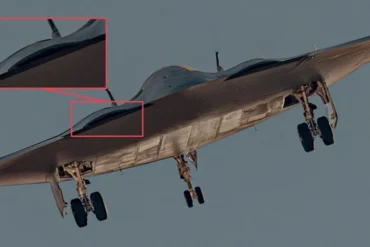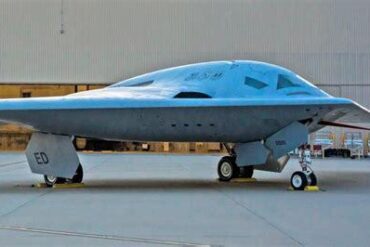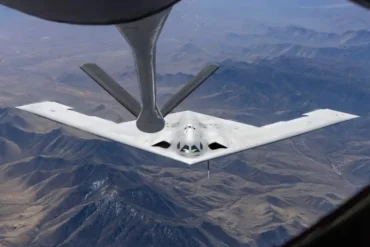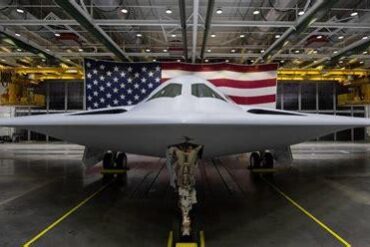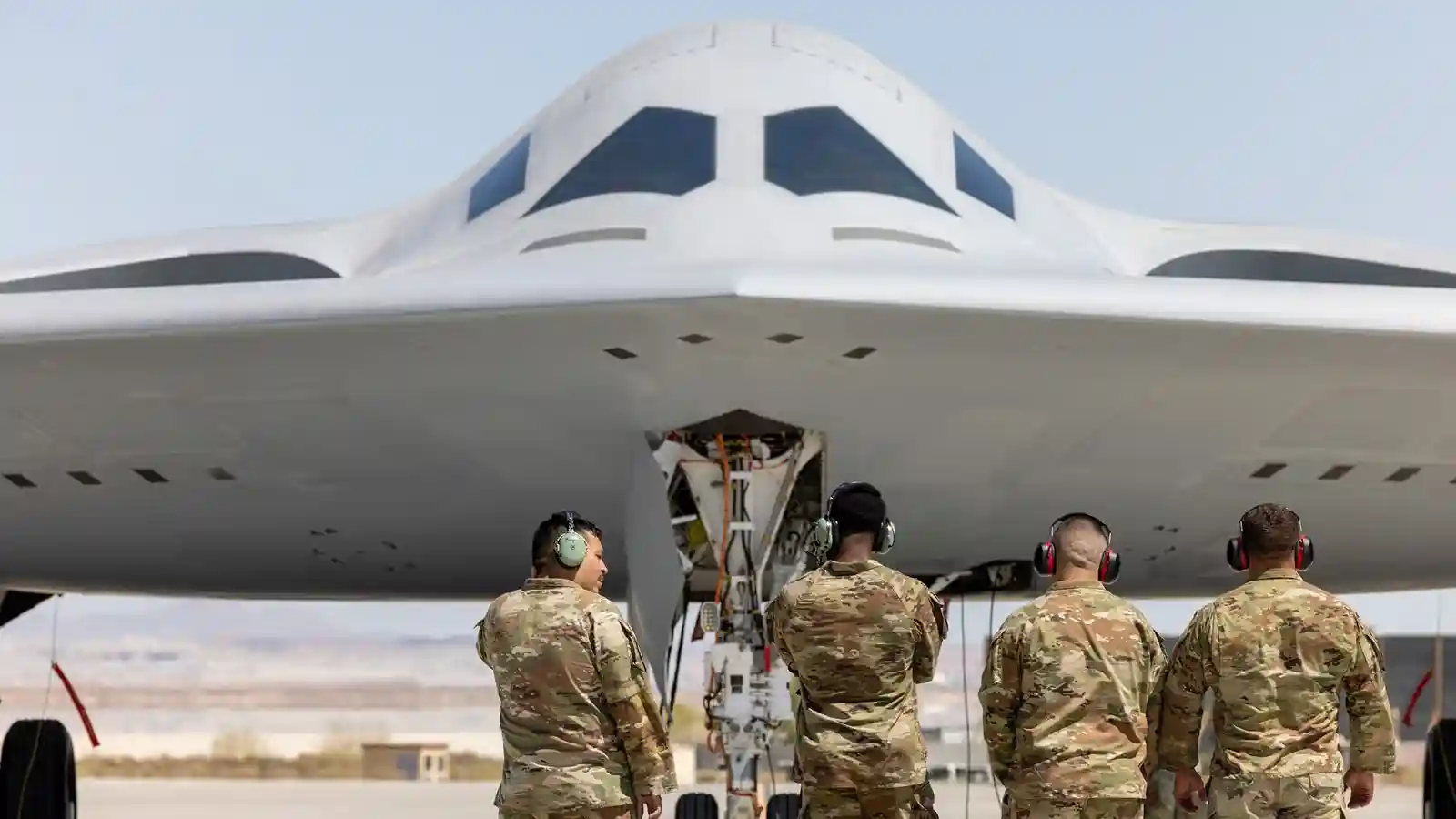
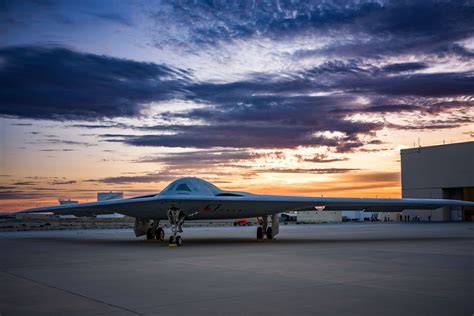
The Northrop Grumman B-21 Raider is being developed as the United States Air Force’s next-generation stealth bomber, combining advanced low-observable technology, modern sensors, networking, and long-range strike capabilities in an aircraft expected to define the future of American strategic aviation. Its development represents one of the most expensive military aviation programs in the world, yet the pilots who will fly it will not receive a special salary simply because they are trusted with such an extraordinarily valuable aircraft. Instead, their compensation will follow the same military pay system that governs other commissioned officers.
That principle is important because military pilots are not paid according to the purchase price, complexity, or prestige of their aircraft. An Air Force officer flying an advanced fighter, a transport aircraft, a remotely piloted aircraft, or a bomber receives basic pay according primarily to rank and years of service. A B-21 pilot therefore does not automatically earn more than another Air Force pilot simply because the Raider is newer or more technologically sophisticated.
The distinction becomes especially interesting when the B-21 enters operational service. The Raider is expected to begin entering service in 2027, and its first operational crews are likely to be considerably more experienced than the average military aviator. That could make their actual compensation relatively high, but the reason would be their seniority and eligibility for aviation-related bonuses rather than the aircraft itself.
In other words, the most expensive bomber in the Air Force inventory will be flown by officers operating under a conventional military compensation structure. The contrast is striking: an aircraft representing enormous national investment can have a cockpit occupied by pilots whose basic salary is determined by the same tables used for other officers across the armed forces.
How US Air Force Pilot Pay Is Determined
All US Air Force pilots are commissioned officers, meaning their basic military pay is linked to the standardized federal military pay system. Rank and creditable years of service determine basic pay, rather than the branch’s aircraft fleet or the specific airplane assigned to an individual.
This means an Air Force Captain with the same years of service receives the same basic military pay as an Army Captain, Marine Corps Captain, or equivalent Navy officer. The aircraft assignment does not alter that fundamental calculation. A Captain flying an F-22 and a Captain operating an MQ-9 remotely piloted aircraft therefore share the same basic pay scale when their rank and service time are equivalent.
The most common officer ranks encountered in operational combat aviation are First Lieutenant, Captain, and Major. Lieutenant Colonels and Colonels can also fly, although senior officers are generally less likely to perform routine combat flying as their administrative and command responsibilities increase.
Military aviation compensation becomes more complicated when allowances and bonuses are included. Basic pay is only one component of what an officer can receive. Housing, food, flight-related compensation, and retention incentives can significantly increase total annual compensation.
For example, Basic Allowance for Housing (BAH) can add thousands of dollars per month depending on location and family circumstances. Basic Allowance for Subsistence (BAS) provides additional support for food expenses, while flight pay compensates qualifying aviators for their flying duties. Aviation retention bonuses can add considerably more for pilots who meet the relevant requirements.
Typical Air Force Pilot Compensation
The difference between basic pay and total compensation becomes particularly visible as an officer progresses through a career. A First Lieutenant with more than two years of creditable service can have basic pay starting around $65,354, while estimated total compensation can approach $98,756 after allowances and other payments are considered.
A Captain typically has several years of service before reaching that rank. The reference figures put first-year Captain basic pay at approximately $88,592, with total compensation around $124,118 once relevant allowances and aviation payments are included.

Majors generally represent a significantly more experienced group of pilots. A newly promoted Major can have basic pay of approximately $113,040, while eligible aviation personnel can receive substantially higher total compensation after bonuses are included. This is one reason bomber pilots can appear to earn more than some fighter pilots even though there is no aircraft-specific salary premium for bomber crews.
Lieutenant Colonels can receive basic pay beginning around $128,581, with total compensation potentially reaching approximately $236,844 under the stated assumptions. Colonels can have basic pay beginning around $157,385, although their total compensation does not necessarily rise proportionally because eligibility for certain aviation bonuses can change with rank and career circumstances.
The figures illustrate an important feature of military aviation careers. Experience can matter more than aircraft prestige when determining actual income. A senior officer flying a highly specialized aircraft may earn considerably more than a junior officer operating an equally sophisticated platform.
Why Bomber Pilots Can Earn More Than Fighter Pilots
The Air Force does not simply attach a higher salary to bomber assignments. Instead, its aviation bonus structure divides pilots into different communities, including fighter, bomber, mobility, rescue, and remotely operated aircraft communities.
For fiscal year 2027, the average aviation retention bonus for qualifying bomber pilots is projected at approximately $41,376. That is substantial, but it is below the projected average of approximately $50,907 for qualifying fighter pilots.
The difference is significant because it demonstrates that the Air Force’s incentive system is designed around personnel requirements rather than the financial value of individual aircraft. The bonus program can be adjusted to encourage pilots in communities where the service needs particular retention levels.
The fiscal 2027 figures identify approximately 157 qualifying bomber pilots, compared with 559 in the fighter community and 887 in the mobility community. The average bonus for mobility pilots is projected at approximately $32,895, while remotely operated aircraft personnel are projected at around $28,603.
The Air Force describes the aviation bonus as a flexible tool for shaping its aviation workforce. The newer program structure is designed to encourage eligible aviators to sign contracts earlier and commit to longer periods of service, while also expanding the number of eligible year groups.
That means the bonus is essentially a workforce-management instrument. It does not represent a premium attached to the technological sophistication of an aircraft. A pilot flying an extraordinarily expensive stealth bomber can receive a smaller aviation bonus than another pilot assigned to a different community if the applicable retention incentives are different.
Bomber Crews Are Often More Senior
There is, however, a practical reason why bomber pilots can appear better paid than some fighter pilots. Bomber crews tend to be more senior.
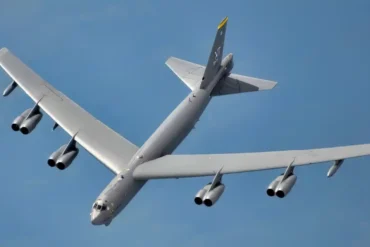
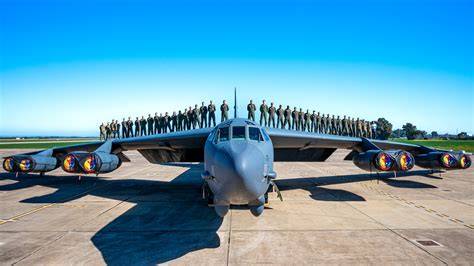
The B-52H Stratofortress provides a useful example. Its traditional five-person crew includes an aircraft commander, co-pilot, radar navigator, navigator, and electronic warfare officer. The aircraft commander is commonly a more experienced Captain or Major, while the co-pilot may be a First Lieutenant or younger Captain.
The B-1B Lancer uses a four-person crew consisting of an aircraft commander, co-pilot, offensive systems officer, and defensive systems officer. Its demanding conventional strike role can also result in crews that skew somewhat more senior than the typical fighter cockpit.
The B-2 Spirit is different again. Its two-person crew consists of a pilot and co-pilot, and assignments have historically been highly selective. A B-2 co-pilot may be a Captain, while the aircraft commander can be a Major or even a Lieutenant Colonel.
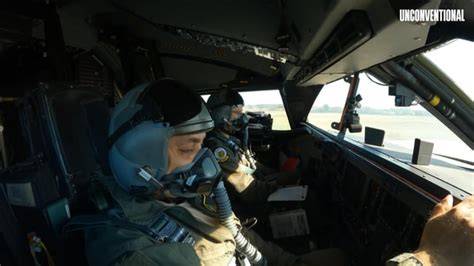
This experience profile matters financially. If a bomber squadron contains a greater proportion of Majors and senior officers than a fighter squadron, its pilots can have higher average compensation even though the Air Force has not created a special salary scale for bombers.
The same principle will probably influence the early B-21 force. The first Raider crews are unlikely to consist primarily of newly commissioned officers. The Air Force has a limited number of personnel with the experience required to operate and develop tactics for a completely new strategic bomber.
B-21 Raider Pilots Will Initially Be Experienced Officers
The B-21 Raider is expected to enter service in 2027, and the aircraft’s initial crews will likely resemble the experienced personnel associated with the B-2 more than the junior-heavy population found in some fighter communities.
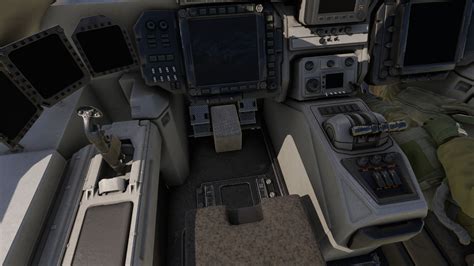
The Raider is designed as a two-crew aircraft, although its advanced automation has generated discussion about whether future operations could potentially require fewer personnel. For the initial operational configuration, however, the Air Force has indicated that it intends to place two pilots in the cockpit.
The likely compensation therefore depends heavily on the rank and service history of those pilots.
Consider a Captain with approximately nine years of service who does not qualify for the aviation retention bonus. Under the figures provided, total annual compensation could be around $143,968 when basic pay and applicable allowances are combined.
A Captain who has reached ten years of service and qualifies for the relevant aviation bonus could receive total compensation of roughly $202,900. Yet even that scenario requires an important qualification: Captains approaching that level of service may also be approaching promotion to Major, meaning the exact composition of the B-21 pilot force will affect actual averages.
A newly promoted Major serving as a Raider aircraft commander could earn approximately $197,000 under the stated assumptions, including the bomber aviation retention incentive. A newly promoted Lieutenant Colonel could exceed $225,000, with compensation increasing further as years of service accumulate.
These figures are estimates rather than guaranteed salaries for every B-21 pilot. Actual compensation depends on rank, years of service, duty location, family status, bonus eligibility, and other factors. Military pay also changes as federal compensation tables and incentive programs are updated.
The Extraordinary Aircraft, Ordinary Military Pay System
The contrast between the B-21’s cost and its pilots’ compensation highlights how the US military personnel system is structured. The Air Force can spend enormous sums developing a sophisticated aircraft without creating a corresponding salary category for the people who operate it.
A B-21 pilot’s basic pay is not calculated from the bomber’s procurement cost, estimated unit price, stealth characteristics, or strategic importance. It comes from the officer’s rank and years of service. Additional compensation then reflects housing, subsistence, flying duties, and applicable retention incentives.
This system also provides consistency across the armed forces. An officer does not become financially equivalent to a senior commercial airline captain simply because the military aircraft is technologically advanced. In fact, even experienced military pilots can earn considerably less than senior pilots at major commercial airlines.
The B-21 will nevertheless place an unusual premium on experience in another sense. Because the Raider introduces a new generation of stealth bomber technology, its early crews will need to understand not only how to fly the aircraft but also how to develop operating procedures, tactics, maintenance concepts, and mission practices around it.
That expertise will be valuable to the Air Force, but its financial recognition will largely occur through rank, experience, and existing aviation incentives, rather than through a special “B-21 pilot salary.”
A New Bomber, Familiar Compensation Structure
The arrival of the B-21 Raider will mark a major transition in American strategic aviation, but it will not fundamentally change how military pilots are paid. The aircraft may be among the most sophisticated and expensive weapons systems ever operated by the United States, yet the officers sitting in its cockpit will remain part of the same military compensation system as pilots across the Air Force.
Their eventual earnings are therefore likely to reflect the experience required to operate the Raider rather than the bomber’s enormous value. If the Air Force staffs early B-21 units with experienced Captains, Majors, and Lieutenant Colonels, those crews will naturally have relatively high total compensation.
The most important distinction is simple: the B-21 does not pay its pilots more; experienced pilots assigned to the B-21 are likely to earn more because of who they are, not because of the aircraft they fly.
That principle explains why America’s newest stealth bomber can represent a revolutionary leap in aviation technology while its pilots remain firmly inside a familiar military pay framework. The Raider may be entering a new era of strategic warfare, but for the officers flying it, the fundamentals of military compensation remain remarkably conventional.