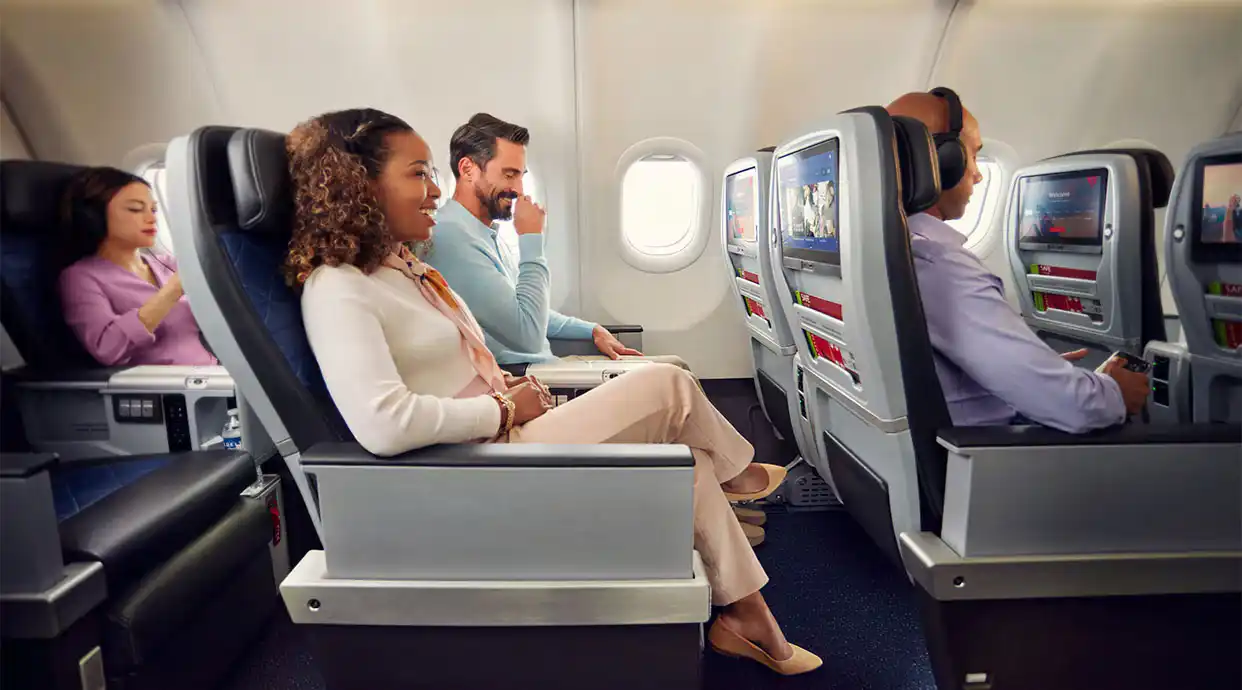
Premium economy in 2025 was no longer a vague middle ground between economy and business class. It evolved into a strategic cabin class that airlines used to showcase design innovation, service refinement, and a deeper understanding of what long-haul passengers actually value. The gap between an average premium economy seat and an exceptional one widened dramatically, making airline choice more important than ever for travelers willing to pay extra for comfort without stepping into business class pricing.
For passengers, the appeal was obvious. More personal space, smarter seat ergonomics, elevated dining, and meaningful priority services transformed long flights from endurance tests into genuinely comfortable journeys. For airlines, premium economy became one of the most profitable cabins, delivering high yields while appealing to both leisure travelers upgrading their experience and business travelers traveling on tighter corporate budgets.
In 2025, five airlines stood clearly above the rest. Their premium economy cabins did not just offer incremental improvements but delivered distinctly superior experiences through seat engineering, onboard service philosophy, and thoughtful extras that justified every additional dollar spent. These carriers proved that premium economy could feel premium in every sense of the word.
Delta Air Lines: Setting the North American Benchmark for Premium Economy
Delta Air Lines cemented its reputation in 2025 as the airline that defined premium economy standards in North America. While it narrowly missed a top-ten overall ranking globally, Delta Premium Select stood out for its consistency, comfort, and polished end-to-end experience that felt cohesive from check-in to arrival.
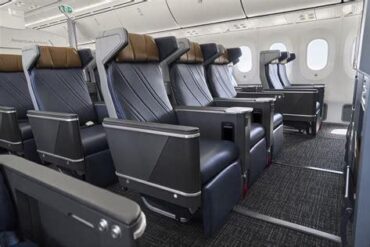
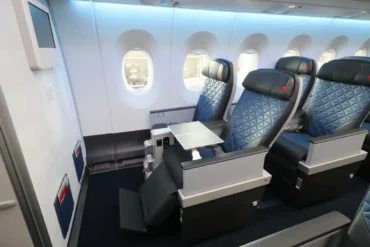
The Delta Premium Select seat was engineered for long-haul practicality. With up to 38 inches of seat pitch and a generous 19-inch width, the seat delivered immediate relief from the tight confines of standard economy. The recline was deep enough to enable proper rest without encroaching on the space behind, while the foldable footrest and leg rest provided genuine lower-body support rather than decorative add-ons. Delta’s seat cushioning struck an ideal balance between firmness and softness, supporting posture over ultra-long sectors.
The in-flight entertainment experience reinforced Delta’s premium positioning. A 13.3-inch high-resolution screen, intuitive interface, and responsive touch controls made entertainment easy to enjoy, even when fully reclined. Noise-canceling headphones were not an afterthought but a core part of the experience, effectively isolating cabin noise and improving sleep quality.
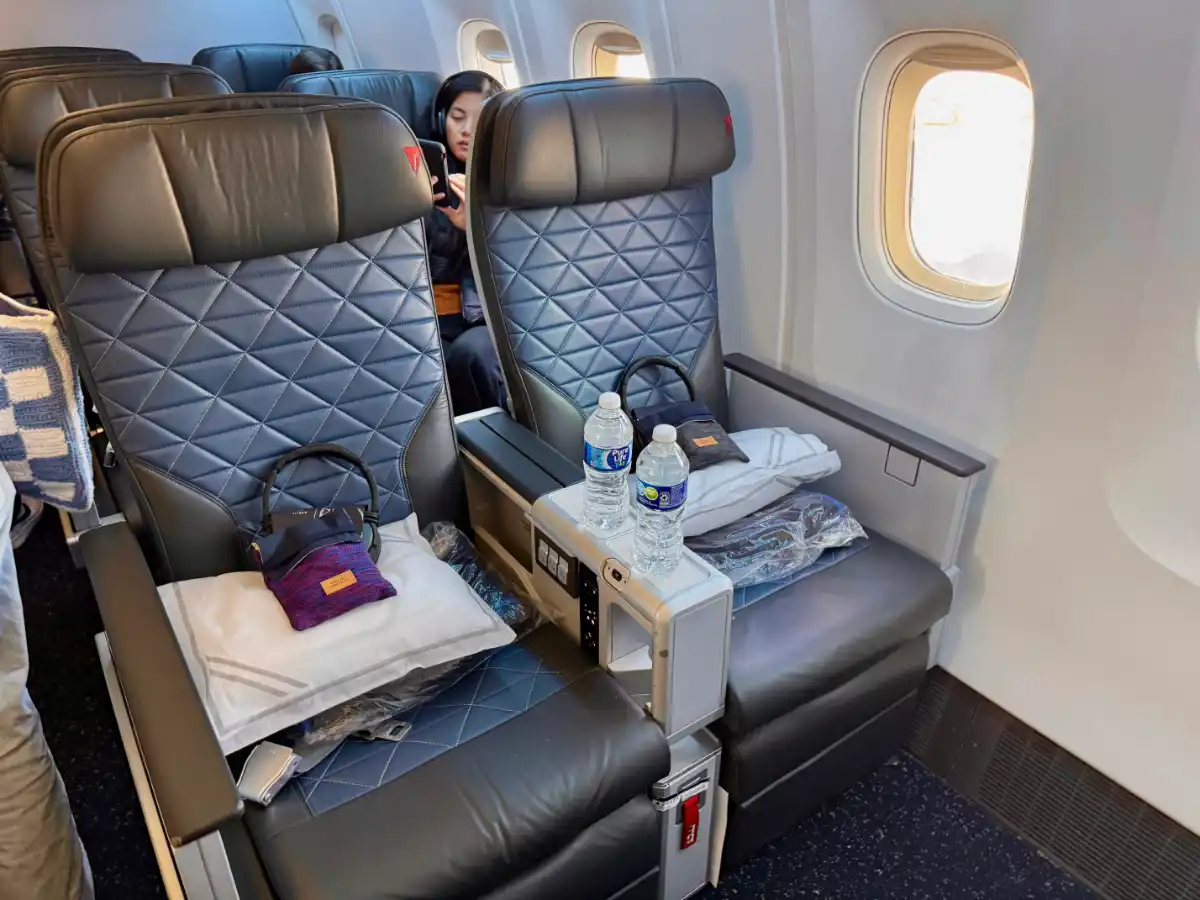
Delta’s strength, however, extended beyond the seat itself. Premium economy passengers benefited from Sky Priority, including expedited check-in, priority security lanes at many airports, early boarding, and priority baggage handling. These ground services removed much of the stress associated with international travel, creating a seamless premium journey rather than isolated onboard comfort.
Onboard dining elevated expectations for premium economy across North America. Hot towels, thoughtfully plated meals curated specifically for the cabin, upgraded tableware, and quality wine selections created a sense of occasion. Enhanced bedding, plush blankets, supportive pillows, and well-stocked amenity kits completed an experience that felt carefully designed rather than scaled-down business class.
Singapore Airlines: Precision, Space, and Service Excellence in Premium Economy
Singapore Airlines approached premium economy in 2025 with the same philosophy that defines its entire brand: precision, restraint, and relentless attention to detail. Ranked among the world’s best, its premium economy cabin delivered a refined experience that balanced generous physical comfort with exceptional service consistency.
Seat design played a central role. With up to 38 inches of pitch and an industry-leading 19.5-inch width, Singapore Airlines offered one of the most spacious premium economy seats available. The generous recline, combined with adjustable headrests, leg rests, and footrests, made sleeping significantly easier than on most competing carriers. The seat shell maintained privacy without feeling claustrophobic, and the cabin layout avoided the cramped feeling that often plagues premium economy sections.
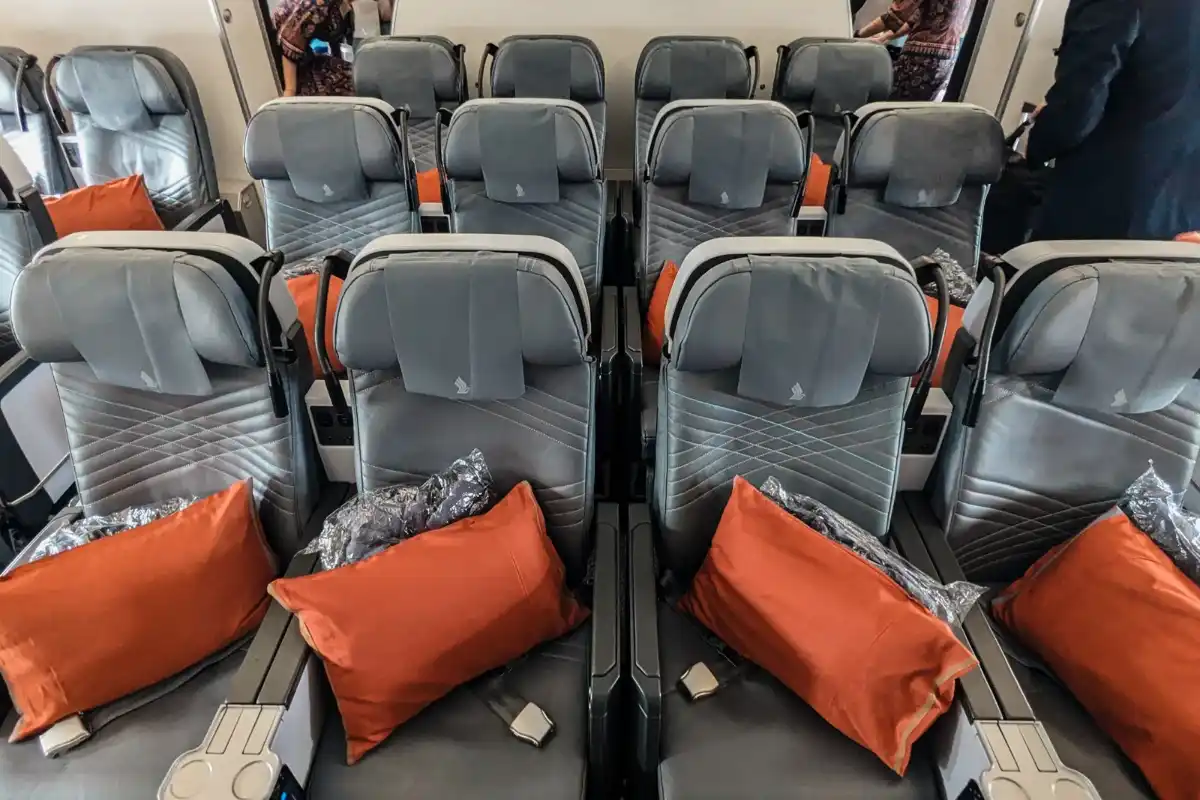
Entertainment was a standout feature. The KrisWorld system, displayed on a crisp 13.13-inch HD screen, offered more than 1,800 options, ranging from international films to niche documentaries and premium TV series. Paired with high-quality noise-canceling headphones, the system felt closer to business class than economy. Practical touches such as dual USB ports, a dedicated reading light, and additional storage space reinforced the sense of thoughtful engineering.
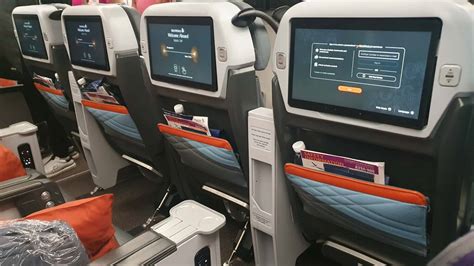
Singapore Airlines’ premium economy dining experience in 2025 was among the most refined in the sky. Meals were served as three-course experiences, plated elegantly and delivered with the airline’s signature service polish. Unlike many carriers, premium economy passengers were not treated as an afterthought; cabin crew maintained attentive service throughout the flight, offering snacks and beverages proactively rather than on request alone.
Priority services mirrored those of higher cabins, including expedited check-in, boarding, and baggage handling. On longer flights, passengers could request additional amenities designed to improve rest, reinforcing the airline’s commitment to sleep quality and passenger well-being.
Virgin Atlantic: The World’s Most Enjoyable Premium Economy Experience
Virgin Atlantic earned its title as the best premium economy airline in the world in 2025 by focusing on enjoyment as much as comfort. The airline’s Premium cabin blended smart seat design with a distinctly human, lifestyle-driven approach that made long-haul travel feel less transactional and more indulgent.
The leather-clad seats offered up to 38 inches of pitch and nearly 19 inches of width, paired with a deep recline, adjustable headrests, and supportive footrests. The seat design emphasized relaxation rather than rigidity, encouraging passengers to settle in comfortably for the duration of the flight. The 13.3-inch entertainment screens featured over 300 hours of content, ensuring variety regardless of flight length.
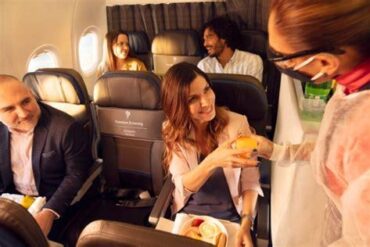
What truly set Virgin Atlantic apart was its onboard atmosphere and service philosophy. Premium economy passengers were welcomed with drinks shortly after boarding, setting a relaxed tone from the start. For overnight flights, amenity kits and thoughtfully designed bedding elevated sleep quality, while the cabin lighting and service flow minimized unnecessary disturbances.
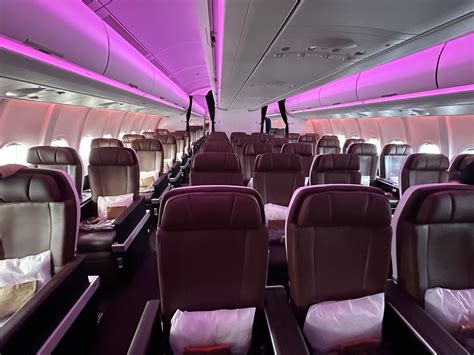
Catering was where Virgin Atlantic truly dominated. Meals were served on proper china with real cutlery, and menus felt curated rather than standardized. The airline’s signature on-demand high tea service on UK departures became a defining feature, offering an experience that felt indulgent yet approachable. The “Wander Wall,” stocked with premium snacks and beverages, empowered passengers to help themselves throughout the flight, reinforcing a sense of freedom rarely found outside business class.
On the ground, dedicated check-in, fast-track security, and priority boarding ensured that the premium experience began well before passengers reached the aircraft door.
Japan Airlines: Premium Economy Elevated to Near Business Class Levels
Japan Airlines redefined what premium economy could be in 2025 by pushing the boundaries of seat technology and privacy. Recognized as the best premium economy in Asia, JAL delivered a cabin that blurred the line between premium economy and business class more than any other airline.
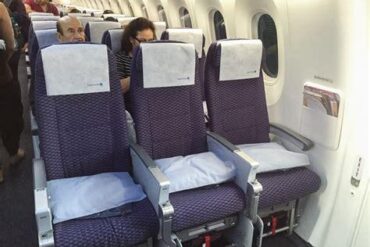
The airline’s JAL Sky Premium seats on the Boeing 787-9 and 777-300ER focused on space without intrusion. The recline mechanism allowed the seat to slide forward rather than tilt backward, preserving personal space for passengers behind. Extra-large leg rests, adjustable footrests, privacy dividers, and intuitive storage solutions made the seat feel personal and private.
The introduction of the A350-1000 premium economy seat marked a turning point. With an extraordinary 42-inch seat pitch, motorized recline and leg rests, and a 16-inch 4K screen, the seat offered a level of sophistication previously unseen in the cabin. The leg rest’s ability to rise to a 90-degree angle, controlled via a dedicated panel, transformed rest quality on long-haul flights.
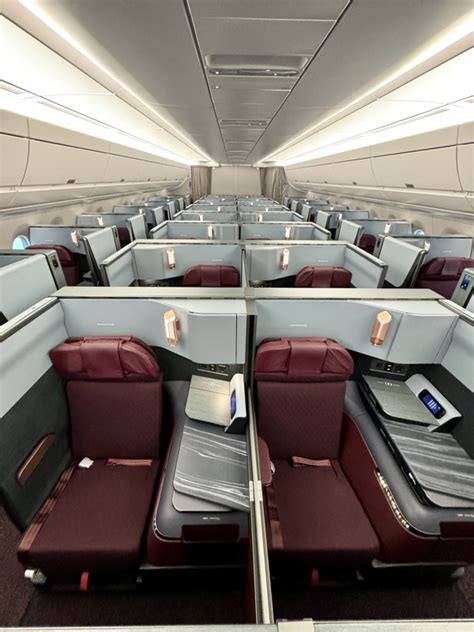
Japan Airlines complemented its seat excellence with premium services rarely offered in this cabin. Many premium economy tickets included lounge access, a significant differentiator. Priority check-in, boarding, and baggage delivery further enhanced the experience. Dining emphasized Japanese culinary craftsmanship, with menus developed alongside master chefs and complemented by a popular snack service featuring cups of noodles available on request.
Emirates: The World’s Best Premium Economy Seat Design
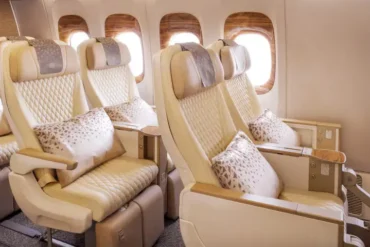
Emirates approached premium economy in 2025 with characteristic ambition, delivering what Skytrax recognized as the world’s best premium economy seat. The airline focused heavily on seat dimensions, materials, and dining presentation to create a cabin that felt unmistakably premium.
Each seat offered up to 40 inches of pitch, 19.5 inches of width, and eight inches of recline, surpassing many competitors on pure space alone. Adjustable leg rests, footrests, and headrests ensured personalized comfort, while the 13.3-inch HD screen showcased the airline’s renowned ICE entertainment system, consistently ranked among the best globally.
On the Airbus A380, premium economy seats were positioned at the front of the lower deck, enabling priority disembarkation, a subtle yet valuable benefit for time-conscious travelers. The cabin design used warm tones, premium fabrics, and thoughtful lighting to differentiate it clearly from standard economy.
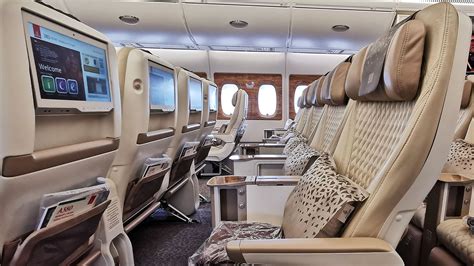
Dining was a centerpiece of the Emirates premium economy experience. Multi-course meals were inspired by regional cuisine and served on fine china with stainless steel cutlery and glassware. Presentation and flavor quality consistently exceeded expectations for the cabin, reinforcing Emirates’ reputation for onboard hospitality.
While the product was still being rolled out across the fleet in 2025, with retrofits ongoing, the consistency of the experience on equipped aircraft positioned Emirates as a global leader in premium economy design.
Why These Five Airlines Truly Stood Above the Rest in 2025
What united Delta Air Lines, Singapore Airlines, Virgin Atlantic, Japan Airlines, and Emirates in 2025 was not just superior seats, but a holistic understanding of premium economy as a complete journey. These airlines recognized that comfort is cumulative, shaped by ground services, cabin design, service flow, dining quality, and small details that reduce friction.
Their premium economy cabins delivered tangible improvements in sleep quality, personal space, service dignity, and emotional comfort, transforming long-haul travel into an experience worth paying for rather than merely tolerating. In a year when travelers became more discerning than ever, these five airlines proved that premium economy could be genuinely premium, setting standards that others will spend years trying to match.