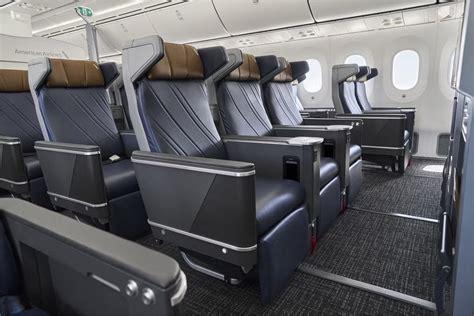
Long-haul flying has changed dramatically over the last two decades. Travelers no longer divide neatly between cramped economy cabins and extravagant business class suites. A growing number of passengers now want something in between: a cabin that delivers meaningful comfort improvements without the eye-watering cost of premium corporate travel. That demand is exactly why premium economy has become one of the most successful products in modern aviation.
Originally introduced by EVA Air in the early 1990s, premium economy was designed to solve a simple but frustrating problem. Standard economy seating had become increasingly dense and uncomfortable on long-haul routes, yet business class remained financially unrealistic for many travelers. Airlines recognized an opportunity to create a middle ground that focused less on luxury and more on practical comfort.
Today, premium economy cabins appear on nearly every major international carrier, from Singapore Airlines and ANA to Lufthansa, Qantas, Virgin Atlantic, and Air France. While each airline markets its product differently, passenger satisfaction studies repeatedly reveal the same pattern: travelers care far more about physical comfort and sleep quality than flashy extras. A premium meal loses its appeal quickly when paired with an exhausting twelve-hour flight.
The best premium economy products succeed because they focus on three elements that genuinely matter: seat design, cabin atmosphere, and sleep quality. These features directly affect how passengers feel during and after the journey, which ultimately determines whether the ticket feels worth the extra money.
The Premium Economy Seat Determines Everything
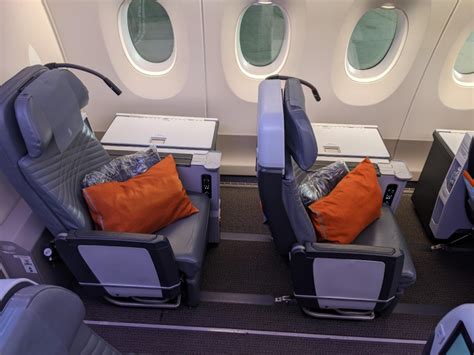
A premium economy experience can collapse instantly if the seat fails to deliver real comfort. Airlines often advertise champagne, upgraded dining, or priority boarding, but none of those additions compensate for physical discomfort during a long-haul flight. Travelers remember how their bodies felt after ten hours in the air far more vividly than they remember dessert service.
Seat quality affects posture, circulation, fatigue, and overall stress levels throughout the journey. That is why the best airlines invest heavily in ergonomics rather than simply increasing legroom by a few inches. A properly designed premium economy seat creates a noticeable difference from the moment passengers sit down.
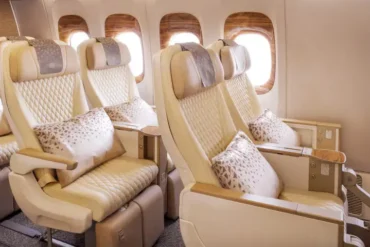
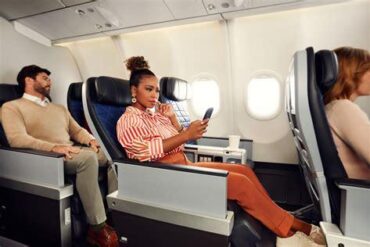
Standard long-haul economy seating usually offers between 30 and 32 inches of seat pitch. Premium economy often increases that figure to around 38 inches, which sounds modest on paper but feels transformative during extended flights. The additional space allows passengers to shift naturally, stretch their legs, and avoid the claustrophobic sensation common in tightly packed economy cabins.
Singapore Airlines has become particularly respected for understanding this balance. Its premium economy seats combine generous recline angles with adjustable calf rests, wide cushions, and supportive seat structures that reduce pressure on the spine and lower body. On ultra-long-haul routes between Asia, Europe, and North America, those details matter enormously.
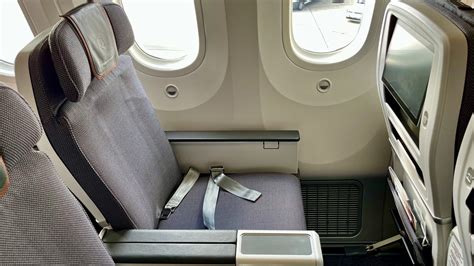
Seat width is equally important, although travelers often underestimate its impact until they experience it firsthand. Economy seats typically measure between 17 and 18 inches wide, while premium economy seats usually expand to 19 to 21 inches. Two extra inches may sound trivial in everyday life, but inside an aircraft cabin they fundamentally change personal space dynamics.
Wider seating reduces shoulder contact with neighboring passengers and makes ordinary activities significantly easier. Reading, working on a laptop, eating meals, or simply adjusting sleeping positions becomes less awkward and physically restrictive. On full overnight flights, additional width often matters more than extra legroom because it reduces the constant awareness of surrounding passengers.
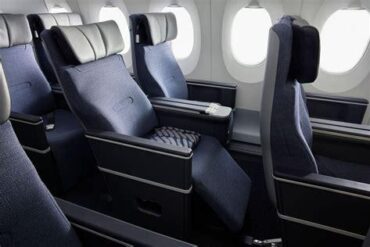
Headrest design also plays a surprisingly large role in long-haul comfort. Adjustable side wings stabilize the neck during sleep and prevent the uncomfortable head-dropping motion familiar to economy travelers. Poor neck support frequently causes headaches, muscle stiffness, and interrupted sleep patterns after overnight flights.
Airlines such as Air New Zealand and Japan Airlines have refined headrest ergonomics specifically for sleep support. Their premium economy seats help passengers maintain a more natural resting posture, which significantly reduces physical fatigue after landing.
Lumbar support represents another crucial but often overlooked feature. Lower back pain remains one of the most common complaints during long-haul travel because passengers remain seated for extended periods with limited movement. Premium economy seating with improved spinal support minimizes strain and encourages healthier sitting positions throughout the flight.
The distinction between a mediocre premium economy product and an excellent one often comes down to these subtle ergonomic decisions. Travelers immediately notice when a seat supports the body naturally rather than forcing constant repositioning. Physical comfort is not a marketing gimmick inside premium economy; it is the entire foundation of the experience.
Cabin Atmosphere Shapes Passenger Stress Levels
The physical seat may dominate airline advertising, but cabin atmosphere quietly influences passenger comfort just as strongly. Travelers do not spend ten hours interacting only with a chair. They experience lighting, noise levels, crowd density, aisle congestion, and overall cabin energy throughout the journey.
This is where premium economy frequently separates itself most clearly from standard economy class.
One of the biggest differences is cabin density. Economy cabins on modern aircraft often prioritize maximum capacity, leading to tight layouts such as the Boeing 777’s infamous 3-4-3 configuration. Ten passengers across a single row creates a crowded environment that feels exhausting before the flight even begins.
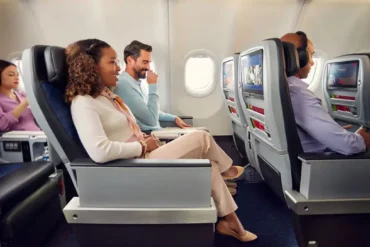
Premium economy cabins usually reduce that density significantly. Airlines like Cathay Pacific and Qantas commonly configure their Boeing 777 premium economy cabins in a 2-4-2 arrangement instead. That reduction from ten seats per row to eight dramatically changes the atmosphere inside the aircraft.
Passengers experience less visual crowding, fewer accidental physical bumps, and a stronger sense of personal territory. The psychological impact is immediate. Even before takeoff, the cabin feels calmer and more controlled.
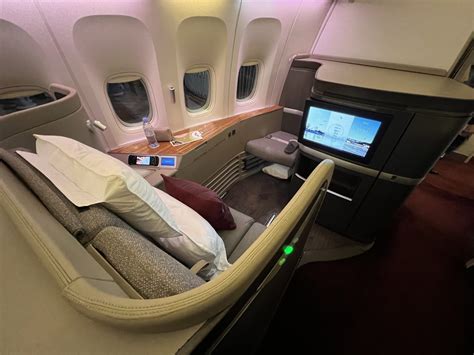
Noise reduction becomes another major comfort advantage. Economy cabins often remain noisy for most of the flight because of constant movement, conversations, meal cart activity, and bathroom queues. In contrast, premium economy sections typically contain fewer passengers and less aisle traffic, creating a noticeably quieter environment.
Virgin Atlantic and EVA Air receive consistent praise for maintaining calm premium economy cabins that feel distinctly separated from the chaos of the main economy section. That quieter atmosphere helps passengers relax faster and reduces sensory fatigue during overnight journeys.
The importance of reduced interruptions cannot be overstated. In crowded economy cabins, passengers are routinely disturbed by seatmates climbing over them, overhead bin access, and constant aisle movement. Premium economy cabins generally experience fewer disruptions because passenger numbers remain lower and the cabin layout is less congested.
Even boarding feels different. Overhead storage space tends to remain available longer, reducing stress and eliminating frantic competition for luggage placement. Small operational details like this create a smoother emotional experience from beginning to end.
Travel psychologists have repeatedly found that overcrowding increases passenger stress and mental exhaustion during flights. Humans naturally respond negatively to prolonged confinement in noisy, crowded environments. Premium economy works because it partially removes those stress triggers without requiring the enormous space allocation of business class.
Lighting also contributes heavily to comfort. Airlines with well-designed premium economy products often dim cabin lighting earlier after meal service and maintain a more sleep-oriented atmosphere throughout overnight flights. This helps passengers settle mentally into rest rather than remaining stimulated by continuous activity.
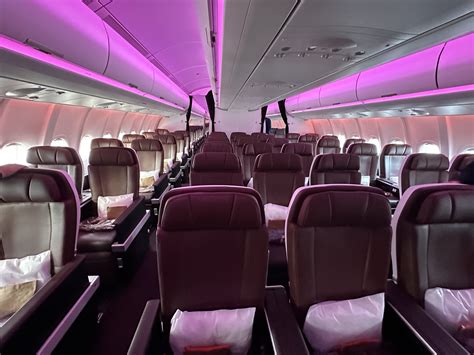
The emotional effect of a calm cabin is often underestimated until passengers compare experiences directly. Travelers frequently arrive feeling less irritable, less mentally drained, and more physically functional after flying premium economy. The journey feels more organized and less chaotic, which directly influences overall satisfaction with the trip.
Sleep Quality Is The Real Measure Of Premium Economy Value
Ultimately, premium economy succeeds or fails based on one critical question: can passengers sleep well enough to function after landing?
For long-haul travelers, rest is the true luxury. Entertainment systems, upgraded meals, and welcome drinks become secondary once the cabin lights dim. What passengers really want is the ability to sleep for several uninterrupted hours without waking up stiff, exhausted, and miserable.
That challenge is particularly difficult because premium economy passengers still sleep upright rather than in lie-flat beds. Airlines therefore compete by improving every variable that affects sleep quality.
Seat recline becomes enormously important in this context. Economy seats generally recline only three to five inches, creating limited support for spinal relaxation. Premium economy seats often increase recline depth to seven or even nine inches, allowing passengers to shift into more sustainable resting positions.
Qantas and Singapore Airlines have built particularly strong reputations in this area. Their premium economy seats combine deeper recline with adjustable leg rests, calf supports, and articulated footrests that improve circulation and reduce lower-body pressure during sleep.
Research into travel fatigue consistently shows that circulation support significantly affects passenger recovery after long flights. Leg rests reduce swelling and discomfort by minimizing pressure points behind the knees and lower thighs. Even modest improvements in seating angle can dramatically improve sleep duration and quality.
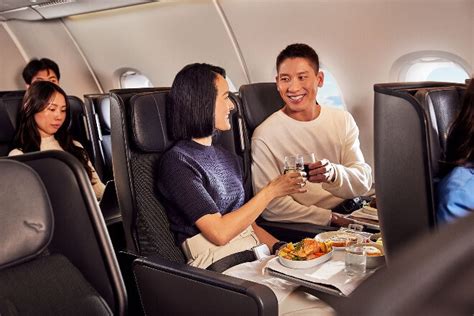
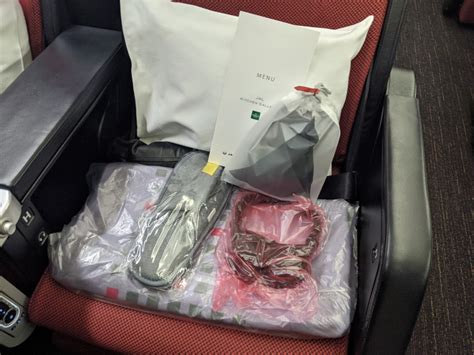
Bedding quality also matters far more than many airlines once believed. Thin blankets and flat pillows rarely provide meaningful comfort on overnight flights. Modern premium economy products increasingly include thicker duvets, larger pillows, and softer fabrics specifically designed to improve sleep conditions.
ANA and Lufthansa have both invested heavily in upgraded bedding programs for premium economy passengers. Travelers frequently remember the quality of rest they achieved more clearly than meal service or inflight entertainment options.
Cabin management strategies further separate strong premium economy products from weak ones. Airlines that complete meal service efficiently and darken the cabin quickly after departure create longer uninterrupted sleep windows. Others extend service unnecessarily late into the flight, damaging passengers’ ability to rest properly.
Sleep-friendly operations require thoughtful timing and disciplined cabin management from the crew. The best airlines understand that passengers value uninterrupted rest more than excessive inflight interaction.
Anxiety reduction also contributes directly to sleep quality. Passengers sleep better when they feel less crowded, less interrupted, and less stressed by surrounding activity. The quieter atmosphere of premium economy supports deeper rest simply because travelers can mentally relax more easily.
This becomes particularly valuable for business travelers crossing multiple time zones. Arriving rested can determine whether someone performs effectively in meetings, presentations, or negotiations immediately after landing. Leisure travelers benefit equally because vacations feel significantly more enjoyable when they begin with energy rather than exhaustion.
The most successful premium economy cabins recognize that travelers are not necessarily seeking luxury. They are seeking recovery. They want to step off an aircraft feeling functional instead of physically depleted.
That practical promise explains why premium economy continues expanding across global airlines. Travelers increasingly understand that comfort during a long-haul flight affects the entire trip, not just the hours spent onboard.
Why Premium Economy Continues To Grow Worldwide
The rapid growth of premium economy reflects broader changes in passenger priorities. Travelers today evaluate flights differently than previous generations did. Instead of focusing purely on ticket price, many passengers now calculate value in terms of physical wellbeing, productivity, and recovery after travel.
Airlines have responded accordingly. Premium economy generates significantly higher revenue than standard economy while requiring far less cabin space than business class. That balance makes it one of the most commercially attractive products in modern aviation.
Yet passengers continue paying for premium economy only when the comfort improvements feel genuinely meaningful. Cosmetic upgrades alone are not enough. The strongest products succeed because they improve the three factors travelers care about most: physical support, cabin calmness, and sleep quality.
A better seat reduces physical fatigue. A quieter cabin lowers stress levels. Better sleep transforms the entire post-flight experience.
Those are not luxury features. They are practical improvements with measurable effects on how passengers feel after long-haul travel.
That is why premium economy has evolved from an experimental cabin concept into one of the most important categories in international aviation. Airlines that understand the real drivers of passenger comfort continue refining the experience around what matters most rather than what simply looks impressive in advertisements.
For travelers facing twelve-hour overnight journeys across oceans and continents, those distinctions make all the difference between merely surviving a flight and arriving ready to enjoy what comes next.