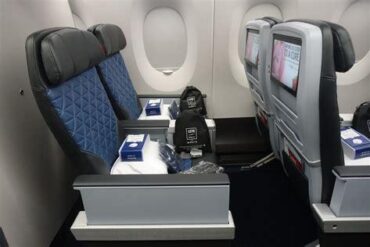
Premium Economy has quietly become one of the most fascinating battlegrounds in commercial aviation. It sits in that sweet spot between affordability and indulgence, where airlines can show restraint, taste, and engineering discipline instead of sheer extravagance. In 2025, the gap between a mediocre premium economy seat and a truly exceptional one is vast. Some airlines still treat the cabin as “economy with legroom,” while others design it as a carefully balanced long-haul product with space, privacy, and thoughtful technology at its core.
What separates the best from the rest is not marketing language, but measurable design choices. Seat pitch, width, recline mechanics, privacy features, materials, screen quality, and charging options all shape the lived experience at 35,000 feet. Soft product matters, but the seat is the foundation. The airlines below earned their place by making bold, sometimes expensive decisions about comfort and ergonomics, not by cutting corners.
Emirates Premium Economy: Luxury Materials Meet Generous Space
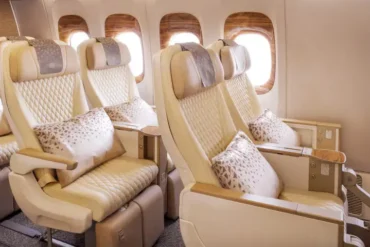
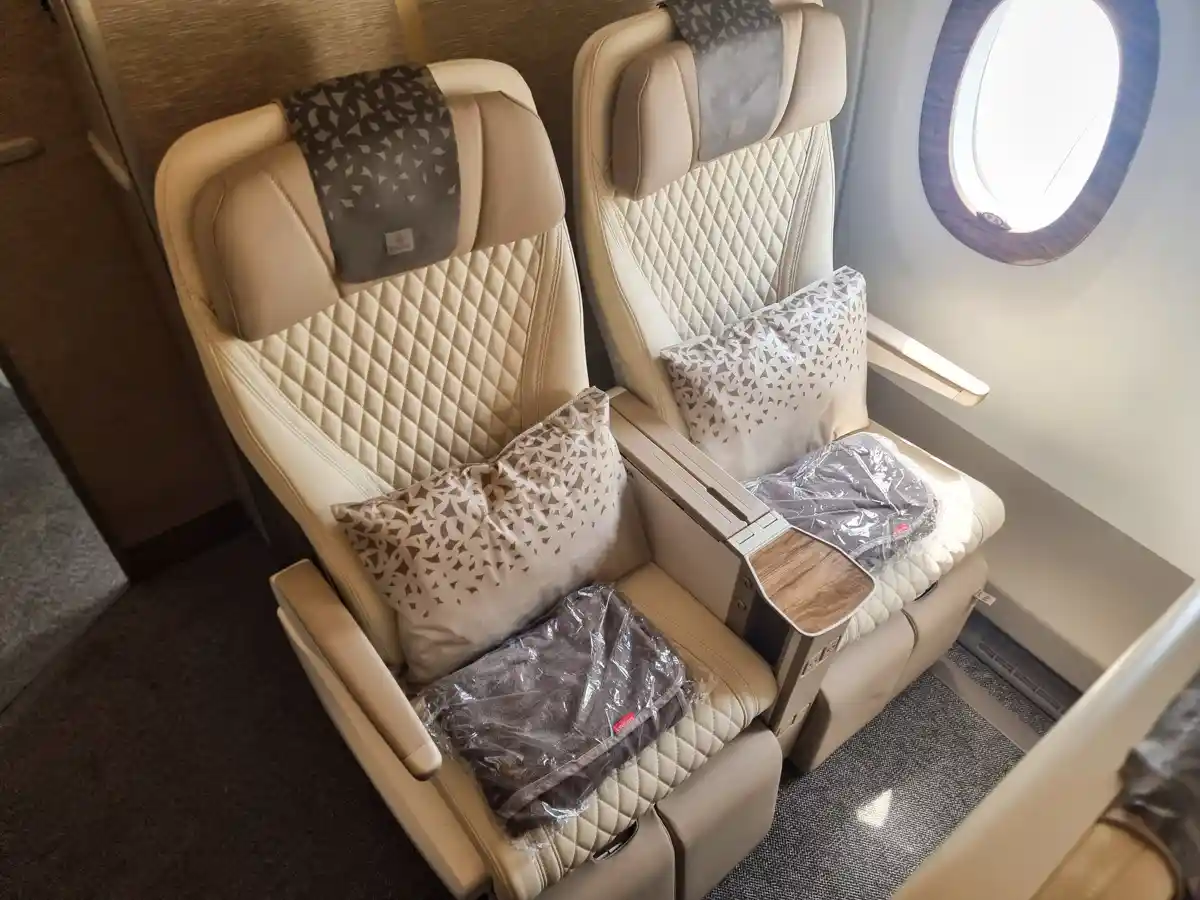
Emirates entered the premium economy space later than many global peers, but when it arrived, it did so with confidence. The airline’s premium economy cabin, now featured on reconfigured Airbus A380s, Boeing 777-300ERs, and all new Airbus A350s, feels deliberately designed rather than retrofitted. The choice of the Recaro PL3530 seat immediately signals intent. This is a seat platform trusted for long-haul comfort, and Emirates elevated it with unmistakably premium finishes.
Cream leather upholstery, intricate stitching, and polished wood accents on the armrests give the cabin a warmth rarely seen outside business class. This is not aesthetic fluff. Materials influence perceived comfort on flights exceeding ten hours, and Emirates clearly understands that psychology.
From a technical perspective, the numbers impress. A 40-inch seat pitch, exceeding the typical 38-inch industry standard, gives legs real breathing room. The dual leg rest and adjustable footrest work together rather than competing for space, and the six-way adjustable headrest accommodates a wide range of body types. Power is abundant, with AC, USB-A, and USB-C outlets built in.
The 13.3-inch 4K UHD screen matches Emirates’ economy size, which may disappoint some, but image quality and interface responsiveness soften that critique. What truly sets this seat apart is spatial generosity. On the A350, Emirates opted for a seven-abreast configuration, a rare and passenger-friendly decision that noticeably improves shoulder and aisle space.
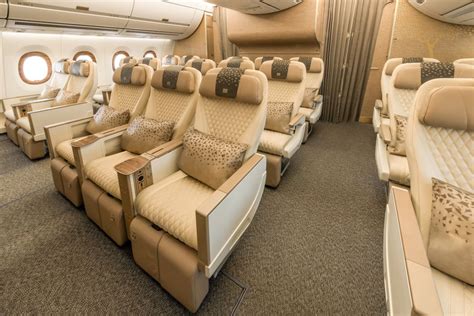
This cabin feels calm, airy, and thoughtfully spaced. It does not rely on gimmicks. Instead, it leans into craftsmanship and legroom, a combination that resonates deeply on ultra-long-haul routes.
Air New Zealand Premium Economy: Privacy-Driven Design with a Caveat
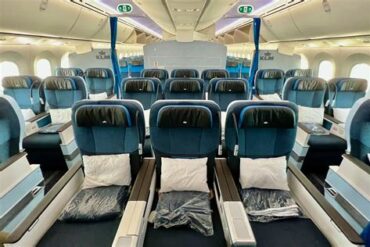
Air New Zealand’s 2025 cabin refresh for the Boeing 787-9 was ambitious across all classes, and premium economy benefited enormously. The airline selected the ZIMPrivacy PC-02, a fixed-shell seat designed to protect personal space during recline while enhancing privacy through sculpted side wings.
The headline metric here is space. A 41-inch seat pitch places Air New Zealand among the global leaders, and it is immediately noticeable when settling in. The 19-inch seat width is standard for the Dreamliner, but clever contouring makes the seat feel broader than the raw number suggests.
Technology is handled with restraint and competence. The 15.6-inch HD screen supports Bluetooth audio pairing, a feature that frequent flyers increasingly treat as essential. Multiple charging options ensure devices remain alive throughout long Pacific crossings, and the eight inches of recline are smoothly implemented.
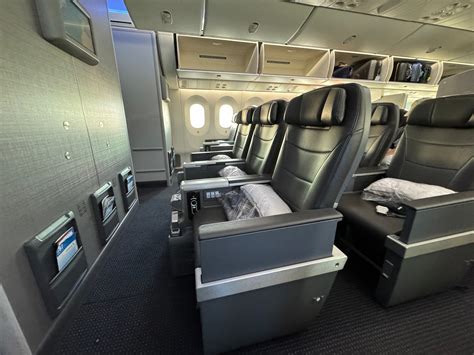
The fixed-shell design is the defining characteristic and also the dividing line. Because the seat slides forward rather than reclining into the space behind, the passenger in back is never disturbed. Some travelers love this; others find the reduced recline sensation less natural. Comfort here depends heavily on personal preference. As a design philosophy, it is elegant and considerate. As a universal solution, it is not without controversy.
Still, for travelers who value privacy, screen quality, and generous pitch, this is one of the most refined premium economy products flying today.
ITA Airways Premium Economy: Narrowbody Excellence and Recliner Comfort
ITA Airways rarely gets mentioned in conversations about cabin leadership, yet its premium economy seats on the Airbus A321neo and A330-900 quietly deserve attention. These aircraft feature Safran’s latest premium economy platforms, the Z600 for narrowbodies and Z535i for widebodies, both designed with long-haul comfort firmly in mind.
The airline standardized a 40-inch seat pitch across these aircraft, immediately elevating the experience above average. On the A321neo, the 20-inch seat width is exceptional for a narrowbody, creating a sense of openness that defies expectations. The A330neo’s seat is slightly narrower at 18.7 inches, but compensates with marginally increased recline.
What distinguishes ITA’s approach is the choice of recliner-style seats rather than fixed shells. Recliner seats remain the majority preference among passengers because they feel intuitive and forgiving. When you recline, your body moves naturally, and that familiarity matters on overnight flights.
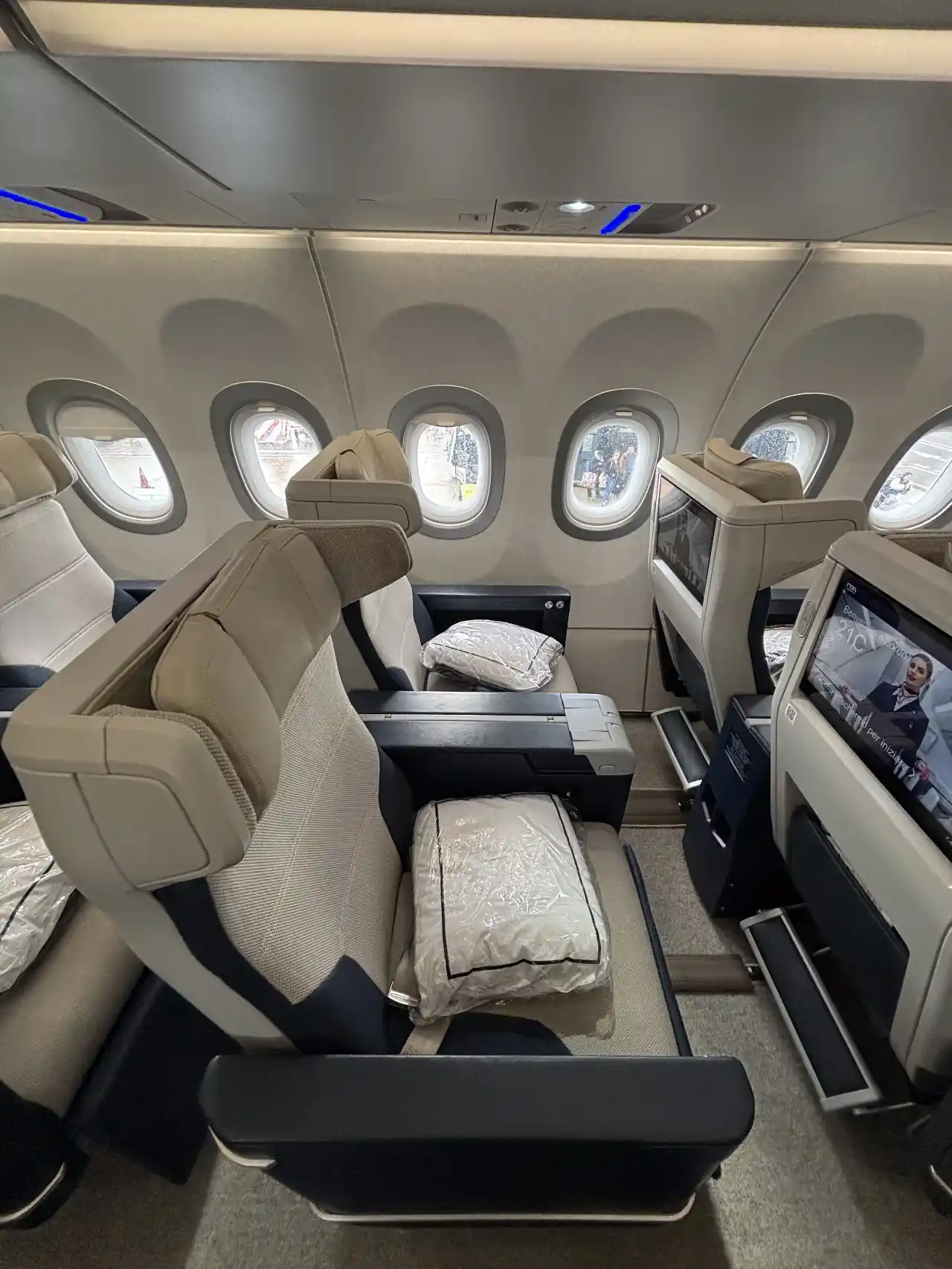
The 15.6-inch 4K touchscreen, Bluetooth audio, universal power ports, leg rests, footrests, and coat hooks form a complete, modern package. The caveat is fleet inconsistency. Older A330-200s and A350-900s feature outdated seats with less space, making aircraft selection crucial when booking.
On the right aircraft, ITA delivers a surprisingly polished premium economy experience, especially appealing to travelers who dislike fixed-shell seating.
Japan Airlines A350-1000: Engineering Precision and Maximum Pitch
Japan Airlines approached its Airbus A350-1000 as a statement aircraft, and the premium economy cabin reflects that ambition. Using Safran’s latest articulated fixed-shell seat, JAL created a space that feels meticulously engineered rather than indulgent.
The defining metric is extraordinary. A 42-inch seat pitch places JAL at the absolute top of the premium economy spectrum. This level of legroom transforms long flights into something closer to a personal workspace than a compromise cabin.
Seat width sits around 19 inches, standard for the A350, but the experience is elevated by thoughtful details. Headrest wings, a privacy divider, and motorized seat controls reinforce the sense of personal territory. The 16-inch 4K screen is among the sharpest in the segment, and the inclusion of a tablet holder acknowledges how passengers actually consume content.
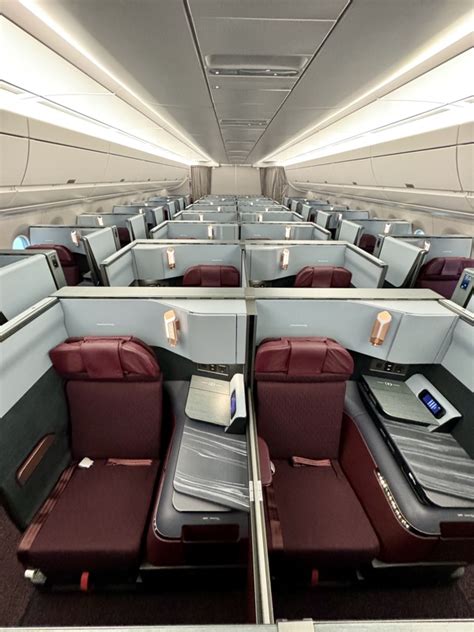
Like Air New Zealand, JAL chose a fixed-shell design. Reclining does not intrude on the passenger behind, preserving cabin harmony. The trade-off is the familiar fixed-shell sensation during recline, which some travelers find restrictive. For those who appreciate structure, privacy, and exceptional legroom, this is arguably the most technically impressive premium economy seat in the world.
EVA Air Boeing 787-9: The Gold Standard Recliner Seat
EVA Air invented premium economy decades ago, and its latest iteration on the Boeing 787-9 feels like a full-circle moment. The airline’s Recaro R5 seats represent the pinnacle of recliner-style premium economy design.
The numbers are formidable. A 42-inch seat pitch, matching JAL’s industry-leading figure, combined with a 19.5-inch seat width, creates an environment that feels uncommonly spacious. Privacy wings add visual separation without making the seat feel enclosed, and the 15.6-inch HD screen is crisp and responsive.
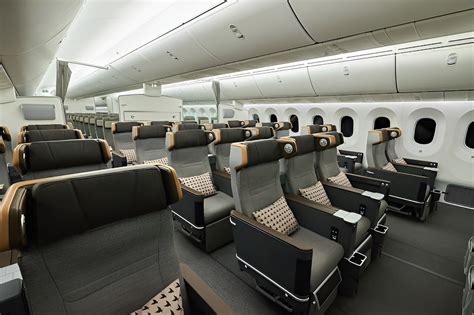
Unlike fixed-shell competitors, EVA’s recliner seat preserves that traditional sense of comfort many travelers prefer. Recline feels natural, cushioning is forgiving, and posture adjustments are intuitive. While the cabin lacks some of the futuristic polish seen on JAL’s A350-1000, the human comfort factor is extraordinarily high.
Availability remains limited, with only eight aircraft currently featuring this seat, but expansion plans suggest broader access in the coming years. For many passengers, this is the most comfortable premium economy seat flying today, precisely because it balances space with familiarity.
Why These Airlines Stand Above the Rest in 2025
What unites these premium economy leaders is intentionality. None of these seats exist by accident. Each reflects a deliberate stance on how passengers should experience long-haul travel without paying business class fares. Emirates prioritized materials and openness. Air New Zealand and JAL leaned into fixed-shell privacy and extreme pitch. ITA embraced recliner familiarity with modern tech. EVA Air perfected the traditional premium economy formula.
In 2025, premium economy is no longer a secondary cabin. For these airlines, it is a flagship product in its own right. Travelers willing to choose routes and aircraft carefully are rewarded with space, calm, and dignity in the air. As fleets modernize and passenger expectations rise, these seats set the benchmark others will be forced to follow.