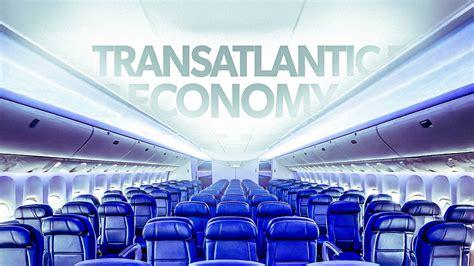
Long-haul economy travel is a quiet test of human geometry. Knees negotiate with seatbacks, shoulders bargain for armrest territory, and the concept of “personal space” becomes theoretical somewhere over the Atlantic. For most travelers, premium cabins remain aspirational rather than practical, which makes the quality of an economy seat far more than a footnote. On transatlantic routes especially, comfort is dictated by small but decisive measurements: seat width, pitch, cabin layout, and aircraft architecture. A single extra inch can be the difference between arriving tired and arriving wrecked.
Despite the Atlantic being one of the most competitive air corridors on Earth, economy cabins are surprisingly standardized. Cost pressure pushes airlines toward dense layouts, particularly on high-capacity widebodies. Still, a handful of carriers quietly resist the squeeze. Through smarter aircraft choices, legacy cabin designs, or unusually generous seating philosophies, they offer economy experiences that feel noticeably less punishing. These are not gimmicks or marketing tricks. They are real, measurable advantages you can book today.
What follows is a close look at the five most spacious transatlantic economy seats currently available, ranked not by brand prestige, but by physical comfort where it matters most. Each entry blends aircraft design, seat engineering, and route availability into a clear-eyed assessment of space, not hype.
Singapore Airlines Boeing 777-300ER Economy: Quiet Luxury Measured in Inches
Singapore Airlines rarely enters conversations about transatlantic economy, largely because it barely operates there at all. That scarcity is precisely what makes its offering so special. On its fifth-freedom route linking Frankfurt and New York–JFK, Singapore Airlines deploys a Boeing 777-300ER configured with a true nine-abreast economy cabin, a layout that has become almost extinct in the industry.
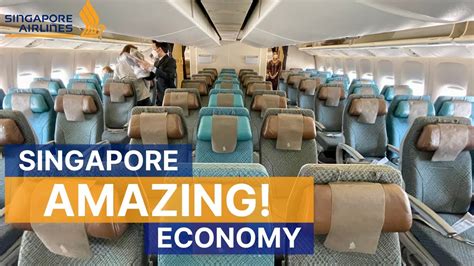
The significance of that layout cannot be overstated. Most Boeing 777s today are ten-abreast, compressing seat width and narrowing aisles to boost capacity. Singapore Airlines resisted that trend. Its economy seats measure a generous 18 inches wide, paired with 32 inches of pitch, creating a balanced seating environment that favors both shoulder and leg comfort. The Safran Z400 seat installed here feels thoughtfully engineered rather than cost-optimized, with six-way adjustable headrests, ample recline, and an 11.1-inch touchscreen that doesn’t feel like an afterthought.
What elevates this seat beyond raw measurements is how the space is perceived. Wider aisles reduce the claustrophobic feel during boarding. The cabin breathes. Movements feel less apologetic. Add Singapore Airlines’ famously consistent service standards, and the result is an economy product that feels calm, deliberate, and unhurried, even on an overnight Atlantic crossing.
Its only real drawback is availability. With just one transatlantic route, this seat is a rare prize rather than a reliable strategy. Still, for travelers who can align their plans with Frankfurt and JFK, this is arguably the most refined economy seat you can fly across the Atlantic.
Turkish Airlines Boeing 777-300ER: The Vanishing Widebody Advantage
Turkish Airlines operates at a fascinating intersection of geography and fleet philosophy. While many of its widebodies mirror industry norms, its Boeing 777-300ER fleet stands apart. These aircraft retain a nine-abreast economy configuration, honoring the original design intent of the 777 rather than the denser layouts most airlines adopted.
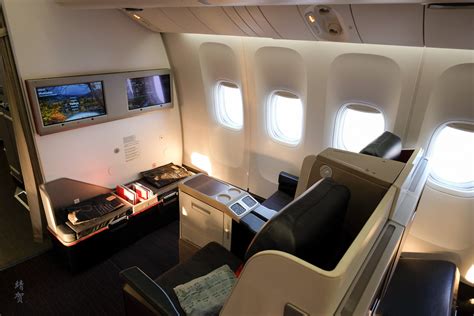
Seat width here reaches 18.5 inches on many aircraft, a figure that places it among the widest economy seats flying today. Legroom, at approximately 32 inches, is unremarkable on paper, but the added shoulder space changes the entire seating dynamic. You sit straighter. You fidget less. Elbows stop colliding mid-movie. On long-haul flights, that matters more than it sounds.
Turkish Airlines uses a mix of Safran seat models, including the older but surprisingly comfortable Safran 5751. While newer seats elsewhere chase thinness at the expense of padding, these feel solid and forgiving. Combined with the 777’s naturally wide cabin and Turkish Airlines’ high-quality catering, the experience feels substantially more spacious than most transatlantic competitors, even if legroom doesn’t break records.
Importantly, this is not a unicorn route. Turkish Airlines regularly deploys these aircraft on flights between Istanbul and major North American cities. That makes this seat not just spacious, but realistically bookable, a crucial distinction for travelers planning months in advance rather than chasing rare fifth-freedom flights.
Emirates Airbus A380 Economy: Space Through Architecture, Not Pitch
Emirates’ economy reputation depends entirely on one variable: the aircraft. On its Boeing 777s, economy is notoriously tight. On the Airbus A380, however, the story changes dramatically. The A380’s double-deck design creates a cabin that feels expansive even before you sit down.
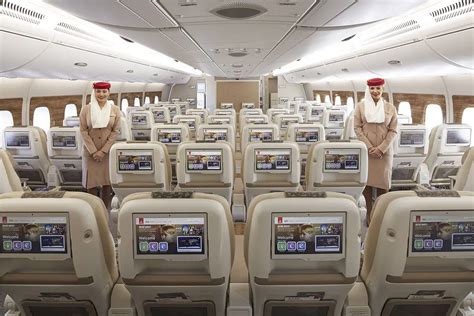
Seat pitch remains standard at 32 inches, but perception matters as much as numbers. The A380’s wider fuselage, higher ceilings, and quieter cabin transform the economy experience. Emirates’ latest A380s feature the Safran Z400 seat, equipped with an industry-leading 13.3-inch touchscreen, generous padding, and modern charging options including USB-C.
Seat width on the A380 is competitive rather than class-leading, but the cabin never feels compressed. The absence of engine noise, combined with smoother pressurization, reduces fatigue over long sectors. Movement within the cabin feels easier, particularly near galleys and staircases where the aircraft’s scale becomes tangible.
Availability is a major strength here. Emirates operates the A380 on multiple transatlantic routes, including nonstop services to North America and one-stop options via Europe. For travelers seeking a consistently spacious-feeling economy experience without hunting for obscure routes, the Emirates A380 remains one of the safest bets across the Atlantic.
JetBlue Airbus A321LR Economy: When Legroom Becomes a Strategy
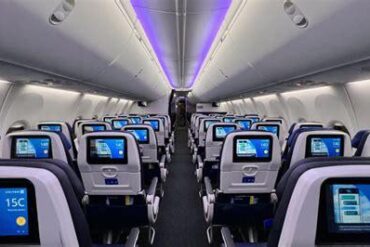
JetBlue approaches economy comfort from a different angle. Instead of relying on widebody volume, it focuses relentlessly on legroom density, particularly on its Airbus A321LR fleet serving Europe from the U.S. East Coast. While the A321LR is a single-aisle aircraft, JetBlue’s interior design minimizes the sense of confinement.
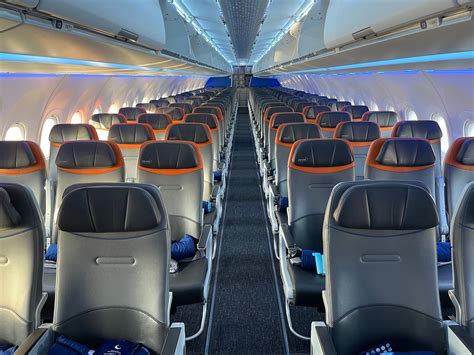
Standard economy seats offer 32 inches of pitch and 18-inch seat width, already competitive for the segment. The real advantage lies in JetBlue’s Even More Space seating, which expands pitch to 35 inches, surpassing many premium economy products offered by other airlines. On an overnight transatlantic flight, that additional legroom changes posture, circulation, and sleep quality in meaningful ways.
The Collins Aerospace Meridian seat feels modern and ergonomic, with a 10.1-inch screen, adjustable headrest, and accessible power. Because the cabin is narrower, boarding and service flow differently. Some passengers find this less crowded, others less forgiving. What is undeniable is that JetBlue offers the most generous legroom consistently available in transatlantic economy, provided you are willing to pay a modest surcharge.
JetBlue’s growing European network makes this option increasingly viable. For travelers prioritizing knee clearance above all else, this is the clearest, most predictable upgrade without leaving economy class.
Extra-Legroom Economy Seats: The Hidden Winner Across the Atlantic
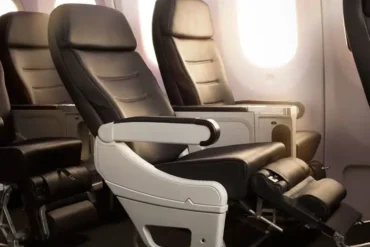
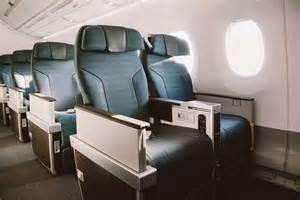
Beyond specific aircraft and airlines, the single most effective way to improve transatlantic economy comfort is to choose dedicated extra-legroom seating. What began as simple exit rows has evolved into branded sub-cabins that deliver real, repeatable comfort gains.
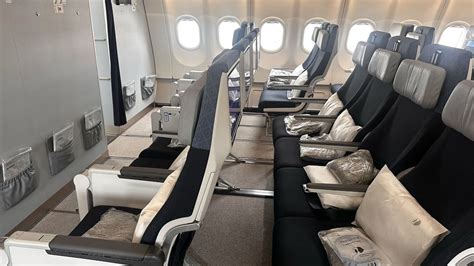
U.S. carriers pioneered this model. Economy Plus, Delta Comfort, Main Cabin Extra, and Even More Space typically offer between 34 and 35 inches of pitch, a dramatic improvement over standard economy. European airlines are catching up, with products like Virgin Atlantic Economy Delight and KLM Economy Comfort expanding availability across the Atlantic.
These seats rarely offer wider cushions, but legroom is the dominant comfort variable on flights exceeding seven hours. The pricing premium remains modest compared to premium economy, making this the most cost-effective comfort upgrade in long-haul aviation today. On aircraft with inherently wider cabins, such as the Airbus A330 or Boeing 767, extra-legroom seats can feel surprisingly luxurious for their price point.
For travelers without flexibility in airline choice, extra-legroom economy is often the smartest play. It turns a generic seat into a survivable one, sometimes even a pleasant one.
Why Transatlantic Economy Comfort Still Comes Down to Aircraft Choice
The Atlantic market rewards efficiency, not generosity. That reality explains why standout economy seats are exceptions rather than norms. When airlines resist densification, or when aircraft design imposes physical advantages, economy passengers benefit in tangible ways. Seat width, aisle space, cabin height, and noise levels all influence fatigue as much as legroom does.
Choosing the right transatlantic economy seat is not about chasing marketing claims. It is about understanding aircraft geometry, seat architecture, and route deployment. The airlines highlighted here succeed not because they promise comfort, but because their cabins physically allow it.
In a world where economy class continues to shrink by fractions of an inch, these seats remain meaningful holdouts. They prove that long-haul economy does not have to be an endurance sport. With the right booking choices, it can still be a tolerable, even humane, way to cross an ocean.