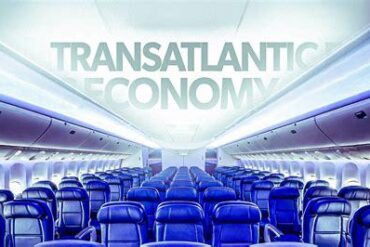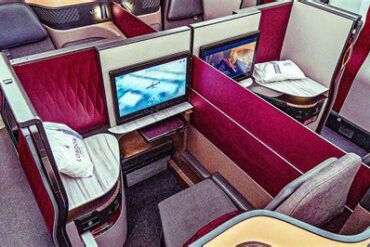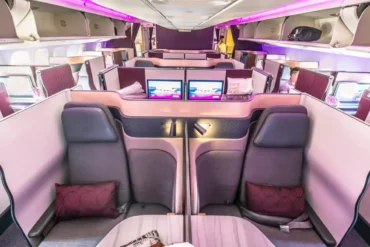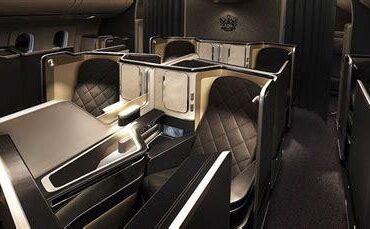
Economy class rarely gets applause. It is tolerated, optimized, endured, and occasionally hacked. Yet hidden within standard economy cabins are seats that quietly outperform expectations, offering less turbulence, better sleep, more space, or near-premium comfort without paying premium fares. These seats are not secret because airlines hide them, but because most passengers chase obvious upgrades and miss the subtler advantages hiding in plain sight.
The modern economy cabin is a complex ecosystem shaped by aircraft physics, cabin acoustics, seat geometry, and airline pricing psychology. A seat that looks ordinary on a seat map can deliver a dramatically better experience when you understand where it sits relative to the wing, engines, galleys, or even the aircraft’s center of gravity. These overlooked options exist across narrowbody and widebody fleets and are bookable today, often at no extra cost or for a surprisingly modest fee.
What follows is not a generic list of “best seats,” but a focused exploration of five truly underrated economy class seat strategies that experienced travelers quietly rely on. Each delivers tangible benefits backed by aircraft design, operational realities, and real-world pricing behavior.
Window Seats Just Ahead of the Wing: The Smoothest Economy Ride
Aircraft turbulence feels random, but its impact is not evenly distributed throughout the cabin. The smoothest ride in economy consistently occurs near the aircraft’s center of gravity, which is typically located around the wing box, slightly forward of the wing root. Seats positioned just ahead of the wing experience less vertical acceleration, meaning turbulence is felt as a muted ripple rather than a jolt.
This effect mirrors a seesaw. Sit near the pivot and movement is minimal; sit far from it and motion amplifies. Passengers seated toward the rear experience stronger pitch changes during turbulence, while those near the wing remain comparatively stable. On widebody aircraft such as the Boeing 777, 787, Airbus A330, and A350, the sweet spot is usually Rows 6 to 15, depending on cabin configuration. On narrowbodies like the Boeing 737-800, Rows 7 to 12 deliver similar benefits.
Choosing the window seat in this zone adds another advantage. The fuselage wall provides a physical brace point, reducing side-to-side motion perception during moderate turbulence. Noise levels are also lower in front of the engines, often by several decibels, making these seats noticeably calmer during cruise. The result is a smoother, quieter, less fatiguing flight that feels almost engineered for nervous flyers, even though it is simply a byproduct of physics.
Window Seats Optimized for Sleep: The Economy Class Sleep Hack
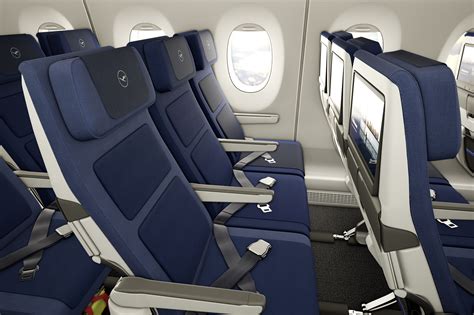
Economy class sleep is a fragile achievement, easily ruined by foot traffic, elbow wars, or repeated interruptions. The window seat remains the most sleep-friendly position in the cabin, yet many passengers underestimate how much placement matters beyond simply choosing “window.”
Window seats allow passengers to rest against the fuselage, creating multiple head-tilt angles unavailable elsewhere. This subtle geometry matters on long flights, where neck strain accumulates quickly. More importantly, window seat occupants are immune to aisle traffic, service carts, and neighboring passengers stepping out. Once settled, sleep remains uninterrupted unless turbulence or announcements intervene.
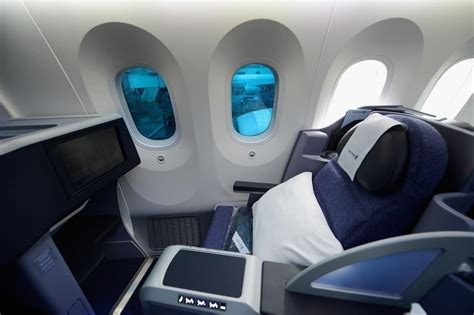
Aircraft type amplifies this benefit. The Boeing 787 Dreamliner features windows measuring approximately 10.7 by 18.4 inches, noticeably larger than older widebodies. The Airbus A220 and upcoming Boeing 777X also offer expansive windows that enhance psychological comfort, reducing claustrophobia during rest periods. Combined with electronic dimming on the 787, these windows support circadian comfort during ultra-long-haul flights.
For travelers prioritizing rest over mobility, the window seat is not merely a preference but a structural advantage that reshapes the economy experience into something tolerable, even restorative.
Buying the Adjacent Seat: The Cheapest Space Upgrade in Aviation
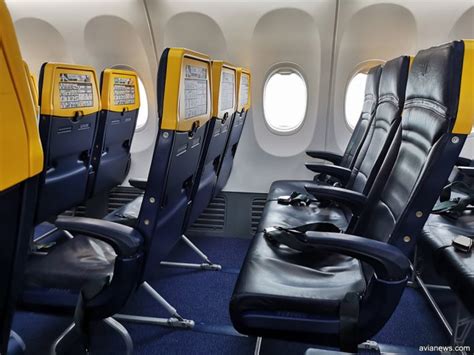
When economy fares collapse to ultra-low levels, an unconventional upgrade emerges: buying the seat next to you. On carriers like Ryanair, easyJet, and other European ultra-low-cost airlines, fares frequently dip below the cost of airport ground transportation. In these moments, purchasing an adjacent seat becomes one of the most effective comfort upgrades available anywhere in commercial aviation.
Two seats transform economy geometry. Shoulder room doubles, elbow conflicts vanish, and personal space expands to something approaching premium economy proportions. Unlike exit rows or bulkheads, this upgrade guarantees privacy regardless of cabin load. It also preserves control over the seat environment, including armrests, tray tables, and sleeping posture.
Ryanair formalizes this option by allowing passengers to book an additional seat under the name “EXTRA COMFORT SEAT.” Both seats remain blocked for the same passenger, ensuring no last-minute reassignment. When fares drop into the $20–$30 range, this strategy delivers a comfort-to-cost ratio unmatched by any traditional paid upgrade.
This approach reframes economy travel economics. When the ticket is cheaper than the taxi to the airport, space becomes the most rational luxury to buy.
Exit Rows and Bulkheads: Legroom Where It Matters Most
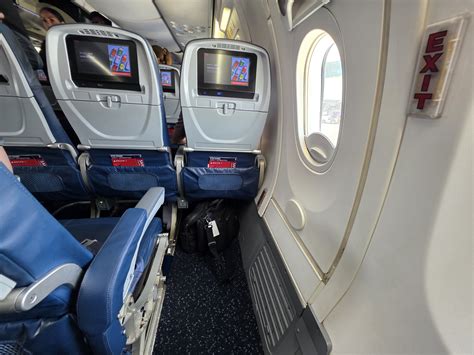
Exit row and bulkhead seats are often discussed, yet still underrated relative to their actual impact on comfort, particularly on dense low-cost configurations. On airlines where standard seat pitch shrinks to 29 inches, the difference between standard rows and exit rows can feel transformational.
While there is no universally mandated minimum seat pitch for exit rows, airlines must comply with evacuation certification standards, resulting in typical exit row pitch around 35 inches. For taller passengers, this additional space directly affects circulation, knee comfort, and long-term fatigue. Bulkhead rows, though sometimes restricted in under-seat storage, often provide unmatched knee clearance when configured thoughtfully.
Aircraft choice matters here. The Airbus A320 family offers a cabin approximately 6.3 inches wider than the Boeing 737, translating into roughly one additional inch of lateral space per passenger. The Airbus A220, with its five-abreast layout, delivers even more personal width, making exit and bulkhead seats on this aircraft especially appealing.
When paired with the right aircraft, exit rows and bulkheads quietly deliver a near-premium physical experience within economy’s price ceiling.
Business-Like Economy Seats Disguised as Budget Fares
Some of the most compelling economy experiences today exist in a gray zone between economy and business class. Several low-cost long-haul airlines intentionally avoid labeling premium seats as business class to reduce airport taxes and fees, passing savings directly to passengers.
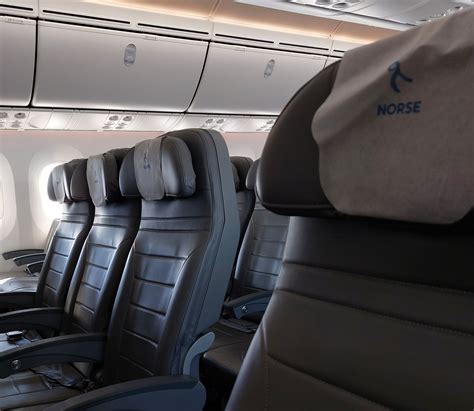
Norse Atlantic’s “Biz Premium” on the Boeing 787 Dreamliner exemplifies this strategy. These seats offer generous recline, substantial pitch, and enhanced service at prices that can undercut legacy carrier economy fares on similar routes. One-way transatlantic pricing around $371 places these seats closer to economy budgets than traditional premium cabins.
Other airlines adopt similar tactics. ZIPAIR, a subsidiary of Japan Airlines, markets full lie-flat seats as “ZIP Full-Flat” without business class branding. French Bee offers upgraded recliner seats that bridge the gap between economy and premium economy, particularly appealing on long-haul leisure routes.
These products challenge traditional cabin definitions. For travelers willing to look beyond labels, they represent some of the best value seats in commercial aviation, delivering comfort once reserved for corporate travel at prices accessible to individual flyers.
Why These Economy Seats Stay Underrated
These seats remain overlooked because they demand knowledge rather than loyalty. Airlines market fare families and elite perks, not physics-based comfort or pricing anomalies. Seat maps flatten complexity, masking meaningful differences behind identical icons. Yet for travelers who understand aircraft behavior, cabin geometry, and airline economics, economy class becomes negotiable rather than fixed.
Each seat strategy outlined here works today, not in theory or nostalgia. They are bookable, repeatable, and scalable across routes and regions. More importantly, they restore a sense of agency to economy travel, proving that comfort is not always purchased outright but often discovered.
Economy class will never be glamorous, but it does not have to be punishing. In the margins between rows, wings, labels, and pricing quirks, a quieter, smoother, roomier experience is waiting for those who know where to look.