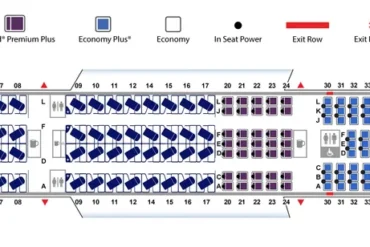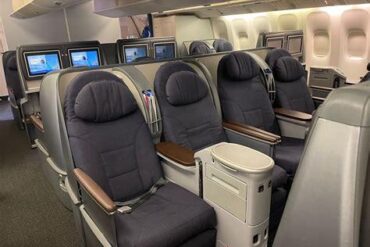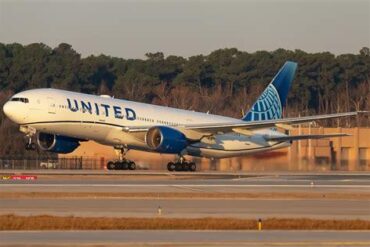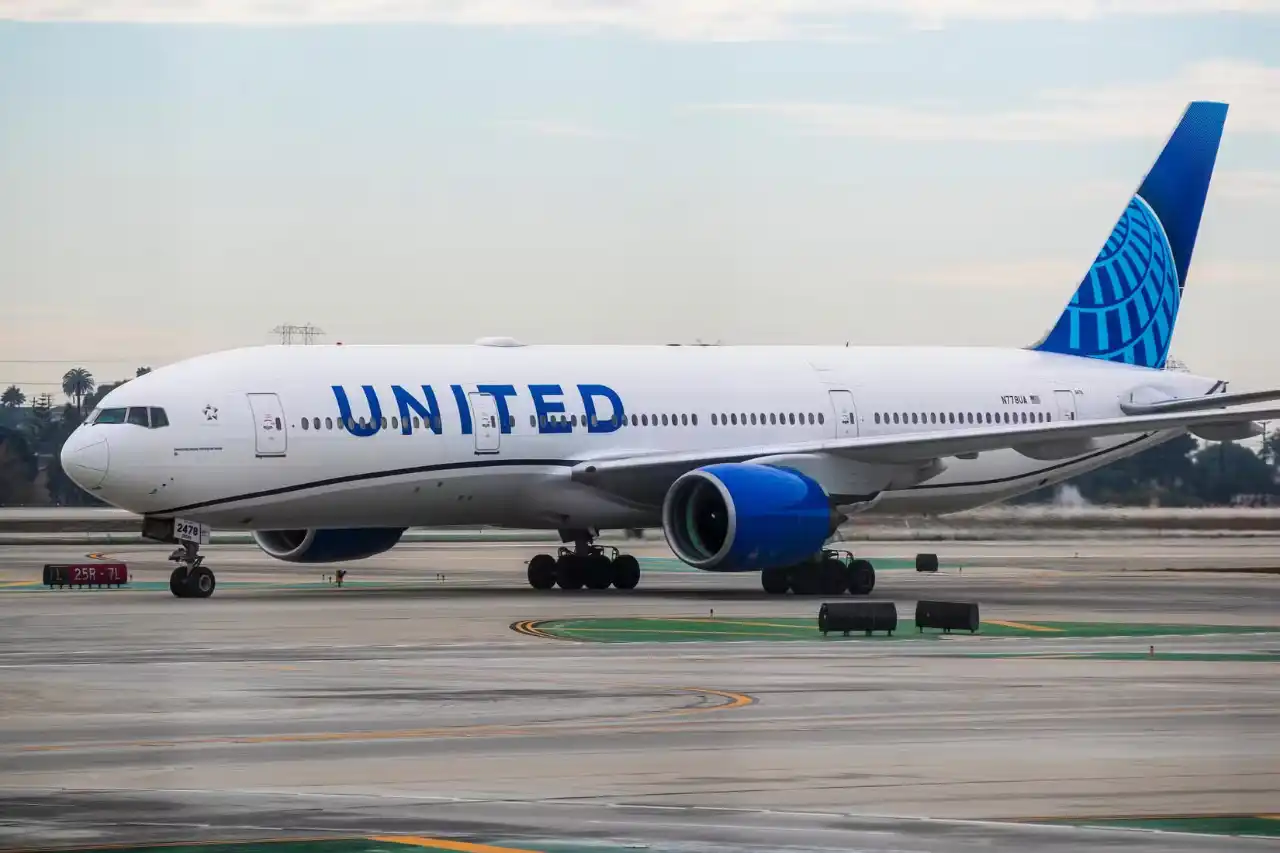
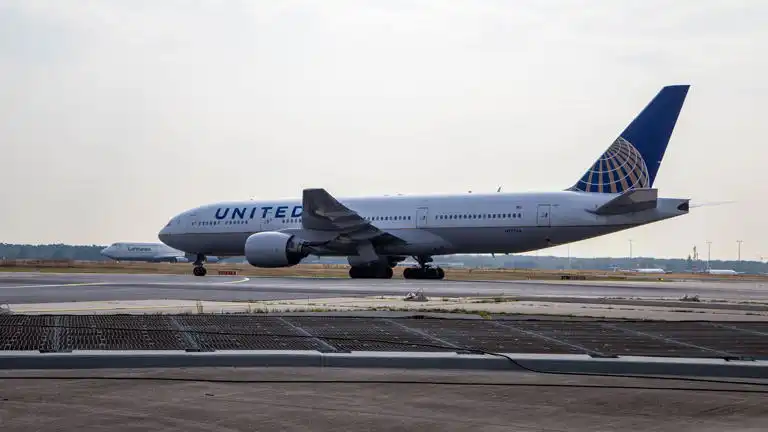
United Airlines continues to leverage its aging but powerful 364-seat Boeing 777-200 fleet to serve some of the highest-demand routes across its network in 2026. Despite the aircraft’s average age of 28.9 years, these high-density widebodies remain at the heart of the airline’s inter-hub and leisure market strategy, offering unmatched capacity and flexibility on select routes. The configuration of these aircraft—28 domestic first class seats and 336 economy seats (including 102 Economy Plus)—provides optimal economics for high-volume corridors.
Flagship Deployment: Los Angeles to Honolulu
The most prominent deployment of United’s 364-seat 777-200s is on its bustling corridor between Los Angeles International Airport (LAX) and Honolulu (HNL). This 2,556-mile route is operated twice daily in both directions, totaling 124 flights in January 2026 alone. This translates into a massive capacity offering of 22,568 seats each way for the month.
Flights on this route take just over six hours westbound, with the return trip shaving off about 30 minutes due to prevailing jet streams. This route, connecting a key West Coast hub to a high-demand leisure destination, benefits significantly from the aircraft’s dense configuration. It also saw dramatic headlines in the past, such as a bomb threat incident in which the flight returned to Honolulu, highlighting the robust security response protocols in place.
Honolulu as a Strategic Hub for 777 Operations
Honolulu stands as a central node in United’s 777-200 network. Aside from LAX, three other mainland airports—Denver (DEN), San Francisco (SFO), and Houston George Bush Intercontinental (IAH)—maintain daily service to Honolulu using the 364-seat jets.
- Denver to Honolulu sees 41 rotations in January, typically one per day, with additional flights from January 1 to 5 to meet seasonal surges.
- San Francisco and Houston each have 31 flights scheduled in both directions.
These routes reinforce the Hawaiian capital’s importance in United’s system—not only as a major leisure destination but also as a key pivot point in the Pacific.
Expanding Hawaiian Reach: Kona and Maui
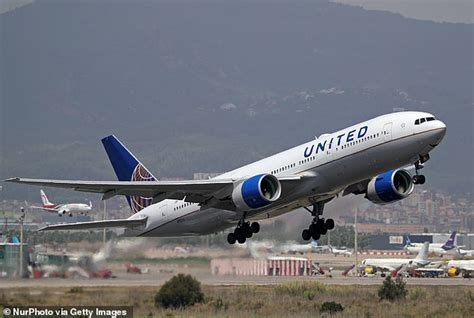
Beyond Honolulu, United’s 777-200s are also positioned to support demand to other Hawaiian islands. Daily flights from Denver to both Kona (KOA) and Maui (OGG) mark a significant extension of large-capacity service to secondary Hawaiian destinations.
Although these routes see less frequency compared to Honolulu, their daily operation reflects steady interest in broader Hawaiian tourism markets. The use of high-density widebodies here also indicates strong forward bookings, particularly during peak travel seasons.
International Routes: Cancun Takes Center Stage
The 364-seat 777-200s aren’t confined to domestic skies. In January 2026, United operates daily international service to Cancun (CUN) from both Chicago O’Hare (ORD) and Denver using this aircraft type. Cancun’s positioning as a high-volume vacation destination makes it a natural fit for the aircraft’s dense seating and robust capacity.
These international deployments complement United’s inter-hub strategy while maximizing aircraft utilization during off-peak domestic periods. The Cancun route effectively showcases how leisure destinations in Latin America benefit from upgauging, especially during the winter travel boom.

Strategic Inter-Hub Routes Beyond Hawaii
United’s domestic network sees additional 777-200 utilization on high-traffic inter-hub corridors. These include:
- Chicago O’Hare to Los Angeles – A crucial transcontinental link between two major hubs.
- San Francisco to Houston Intercontinental – Connecting West Coast and Gulf Coast operations.
These deployments reflect an ongoing strategy of consolidating capacity on fewer, more strategically scheduled flights, which minimizes operational complexity while maximizing revenue per departure.
Lower Frequency Rotations on Select Corridors
Not all routes benefit from daily 777-200 service. Some corridors, particularly those with fluctuating demand or seasonal peaks, see lower-frequency deployments. For example:
- Orlando (MCO) receives 25 flights from Denver and 23 from San Francisco throughout January.
- San Francisco to Kona and Maui each see five round trips, all within the first week of January.
- Denver to Houston had daily service for five days, then no further 777-200 use post-January 5.
- Chicago to Denver and San Francisco followed a similar short-lived deployment pattern in the first week.
These targeted bursts indicate fleet optimization during holiday peak travel windows. United’s scheduling demonstrates precise data-driven deployment, ensuring that high-capacity assets are aligned with short-term demand spikes.
Aging Workhorses Still Earning Their Keep
At nearly three decades old, United’s 777-200 fleet stands as a testament to the aircraft’s engineering resilience and operational flexibility. Though newer widebodies such as the 787 Dreamliner offer enhanced efficiency, the high seating capacity and proven reliability of the 777-200 continues to make it a valuable asset.
Their consistent deployment on long-haul domestic and short-haul international routes reflects United’s continued trust in these aircraft, particularly for routes where high capacity trumps fuel efficiency. With aircraft sent to Victorville for storage—not retirement—it’s clear United plans to keep these triple-sevens active for the near future.
Conclusion: Strategic Giants in the Sky
United’s 364-seat Boeing 777-200s represent a critical piece of its 2026 route network puzzle. With focused deployments to Hawaii, Mexico, and between major hubs, these aircraft help the airline balance capacity, demand, and profitability across diverse markets. Whether serving a sun-drenched Hawaiian island or a busy domestic corridor, these high-capacity jets continue to fly full and prove their worth—nearly 30 years after their introduction.
As airline economics evolve and fleet modernization accelerates, it remains to be seen how long these high-density 777s will continue their frontline service. For now, however, they remain indispensable tools in United’s effort to meet growing passenger volumes with efficiency and scale.