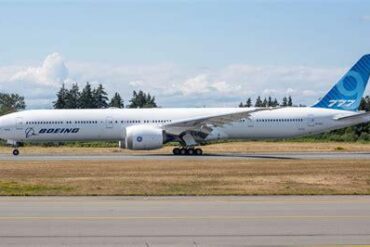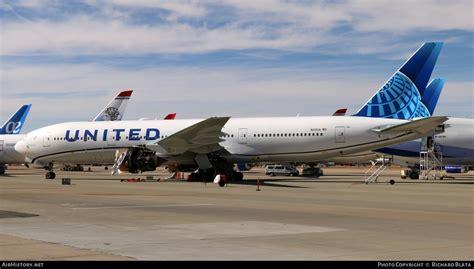
United Airlines has quietly ferried another aging widebody aircraft, the Boeing 777-200 registered N212UA, from Newark Liberty International Airport (EWR) to the Southern California Logistics Airport (VCV) in Victorville. But despite what many might assume given the destination, this aircraft has not been retired — it has been stored, a subtle yet significant distinction in the aviation world.
A Lifeline in the Desert: Storage vs. Retirement
On December 29, 2025, aircraft N212UA departed Newark for a one-way flight to Victorville, a well-known aircraft storage and logistics hub in California’s Mojave Desert. Flight tracking data confirms the ferry flight, which concludes over two decades of active service — for now.
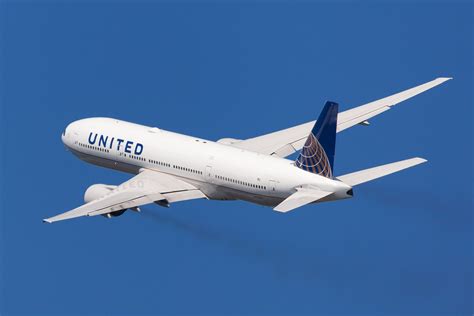
While many airliners sent to Victorville are indeed retired, N212UA’s future remains in limbo. Sources like aviation analyst JonNYC confirm that this 777-200 has been placed in storage, not permanently withdrawn. This status keeps the aircraft in a dormant yet maintainable state, preserving its airframe, engines, and key components for potential reactivation or part harvesting.
The difference between storage and retirement lies in reversibility. Retirement is a terminal status. Storage, however, is strategic — especially in an era of volatile demand, fluctuating fuel costs, and supply chain complexities.
N212UA: A Workhorse with Over 80,000 Flight Hours
First delivered to United Airlines in July 2000 after being ordered in 1998, aircraft N212UA is now 25.4 years old. As of March 31, 2025, the widebody has logged an impressive 80,162 flight hours over 17,055 flight cycles.
Its configuration supports a three-class layout:
- 28 business class seats
- 102 economy comfort seats
- 234 standard economy seats
The 777-200 series once formed the backbone of United’s long-haul operations. But in recent years, aircraft like N212UA have been relegated to high-density domestic routes, shuttling passengers across coast-to-coast transcontinental corridors and short-haul international segments.
Why Store a 777-200 in 2025?
Storing a quarter-century-old aircraft may seem counterintuitive in a fleet strategy dominated by modernization and fuel efficiency. However, there are multiple plausible motivations behind United’s move:
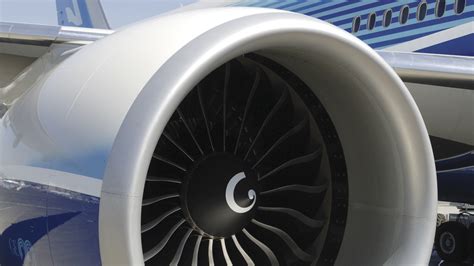
- Parts cannibalization: The aircraft’s GE90 engines, avionics, and high-value landing gear may serve as donor components for the remaining 777 fleet.
- Temporary fleet flexibility: In uncertain market environments, having mothballed widebodies provides contingency capacity.
- Maintenance delay tactic: Avoiding costly D-checks or overhauls while extending service value from salvageable systems.
Ultimately, United’s decision underscores how fleet lifecycle management has evolved beyond simple “fly or scrap” binaries. In 2025, storage is a strategic lever, not a death sentence.
The Bigger Picture: United’s Ongoing Widebody Fleet Overhaul
United Airlines is amidst a sweeping transformation of its aging widebody fleet. With 777-200s, 777-200ERs, and both variants of the 767 nearing obsolescence, the airline is transitioning toward new-generation twinjets.
As of late 2025, United’s widebody portfolio includes:
- 19 Boeing 777-200s (average age: 28.9 years)
- 55 Boeing 777-200ERs
- 37 Boeing 767-300ERs (average age: 29.9 years)
- 16 Boeing 767-400ERs
These aircraft are gradually being replaced with the Boeing 787 Dreamliner family and the Airbus A350-900. The current modern fleet features:
- 48 Boeing 787-9s
- 21 Boeing 787-10s
- 12 Boeing 787-8s
On order:
- 140 additional Boeing 787-9s
- 45 Airbus A350-900s
The plan is to retire most 777-200ERs by 2027 and complete the widebody replacement by 2030, enhancing fuel efficiency and passenger experience while slashing maintenance costs.
Narrowbody Frenzy: A Parallel Modernization
Parallel to its widebody shakeup, United is accelerating narrowbody acquisitions at an unprecedented clip. In late December 2025, the airline received three Airbus A321neos in under a week, including two on a single day.
This rapid expansion is part of a broader strategy to dominate domestic and transcontinental routes with modern, efficient single-aisle aircraft.
Current A321neo fleet: 56 aircraft (average age: 1 year)
Planned deliveries:
- 149 A321neos total
- 50 A321XLRs for extended range missions
These jets join a formidable narrowbody roster that includes:
- 72 A319s
- 67 A320-200s
- 141 737-800s
- 136 737-900ERs
- 123 737 MAX 8s
- 119 737 MAX 9s
- 40 737-700s
- 12 737-900s
- 61 Boeing 757s
A Legacy Aircraft in a Transitory Age
The ferry of N212UA to Victorville marks more than just a repositioning — it symbolizes the twilight of an era. The 777-200, once a pioneering twinjet marvel with intercontinental range and comfort, is now aging out of relevance.
But United isn’t throwing these aircraft away. It’s maximizing asset value, stretching lifecycle utility through storage strategies that preserve options. The move aligns with a more agile, data-informed approach to fleet planning — one where sustainability, economics, and flexibility converge.
Whether N212UA ever returns to service or ends its life as a parts donor, its journey to Victorville reflects the intricate, calculated ballet of modern airline fleet management.
Conclusion: Strategic Storage as an Industry Trend
United’s treatment of N212UA offers a case study in how legacy carriers navigate aircraft end-of-life decisions. Storage isn’t the end — it’s a pause, a hedge, and sometimes, a second chance.
As the carrier marches toward a leaner, greener, and more modern fleet built around the 787 Dreamliner and A350, aircraft like the 777-200 serve as both reminders of past triumphs and reservoirs of future value. Whether in the air or resting silently in the Mojave, each airframe plays a role in the broader strategy.
The storage of N212UA encapsulates the complexity of modern aviation: where even grounded giants have a purpose — if not a runway.