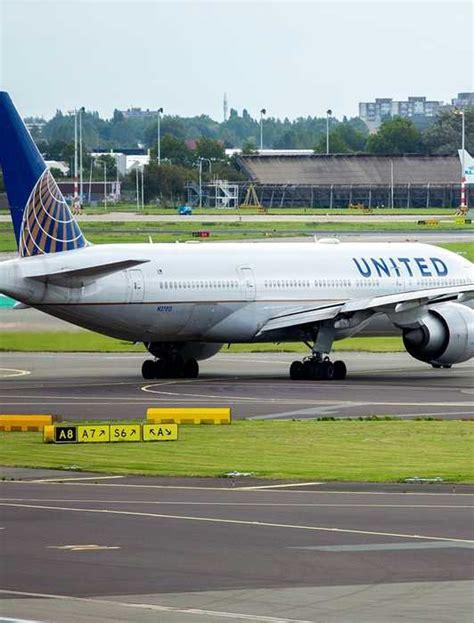
United Airlines has officially entered a new era of long-haul connectivity, launching its first transatlantic flight equipped with Starlink satellite internet aboard one of the oldest aircraft in its widebody fleet. The milestone flight, operated as UA14 from Newark Liberty International Airport to London Heathrow Airport, marks the beginning of a major transformation in the carrier’s premium international travel experience.
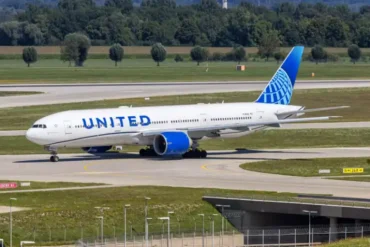
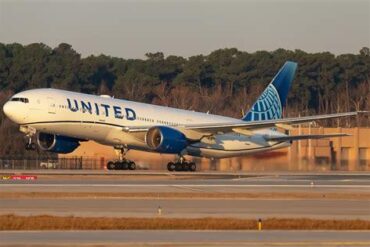
The historic service is being operated by Boeing 777-200 registration N37018, an aircraft that first entered service more than two decades ago. Despite its age, the jet now stands at the forefront of United’s digital modernization strategy, becoming the first of approximately 60 widebody aircraft scheduled to receive Starlink connectivity during 2026.
United’s broader objective is even more ambitious. The Chicago-based airline intends to equip its entire widebody fleet with Starlink technology ahead of the Northern Hemisphere summer travel season in 2027, ensuring seamless internet access across its extensive global network.
As the world’s largest airline across both the Atlantic and Pacific oceans, United views reliable high-speed connectivity as an essential component of modern air travel rather than a premium add-on.
Starlink Expands Beyond Narrowbody Aircraft
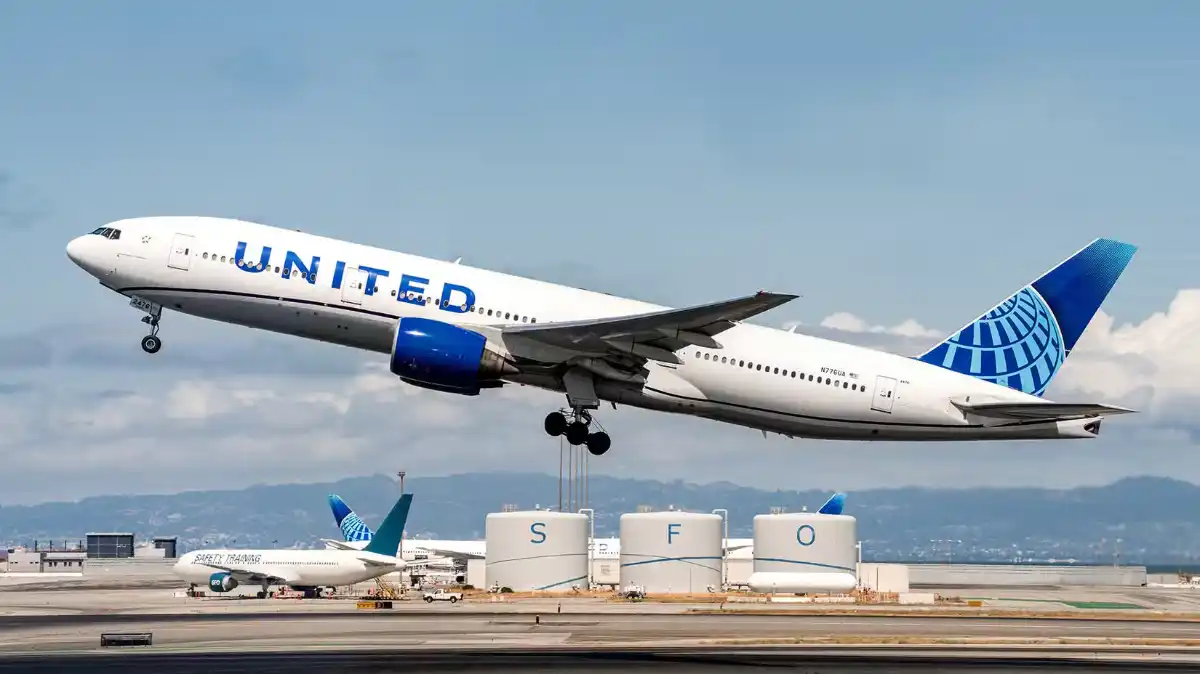
While United has already installed Starlink systems on roughly 400 aircraft, those installations have primarily focused on regional and narrowbody fleets. The launch of Starlink aboard a Boeing 777-200 represents the technology’s first deployment on a long-haul widebody aircraft operating international services over oceans.
This development is particularly significant because transoceanic flights have historically presented major connectivity challenges. Conventional inflight internet systems often struggled over remote regions, including vast oceanic sectors and polar routes, where terrestrial infrastructure is nonexistent. Starlink’s low-Earth-orbit satellite constellation dramatically changes that equation by delivering broadband coverage virtually anywhere on the planet.
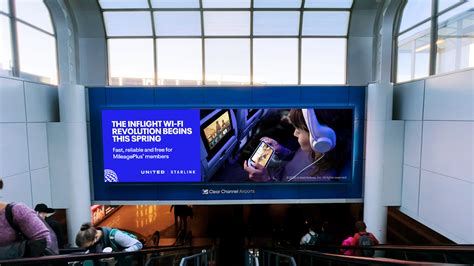
Passengers traveling aboard Starlink-equipped United flights can access the service free of charge provided they are members of the airline’s MileagePlus frequent flyer program. The airline has designed the enrollment process to be straightforward, allowing travelers who are not already members to sign up before departure and immediately benefit from complimentary connectivity.
According to United Chief Customer Officer David Kinzelman, the technology fundamentally reshapes passenger expectations for long-haul flying.
He emphasized that Starlink provides the same fast and dependable internet experience customers enjoy on the ground, but delivered while cruising at 35,000 feet anywhere in the world. The airline also believes the platform will improve operational efficiency for employees while significantly enhancing the customer journey.
An Aging Aircraft Leads United’s Connectivity Revolution
The selection of N37018 for this inaugural mission is notable. The aircraft, a Boeing 777-200 originally delivered to Continental Airlines in April 2002, has accumulated more than 24 years of operational history.
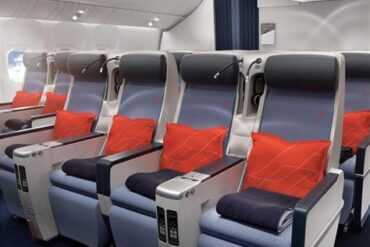
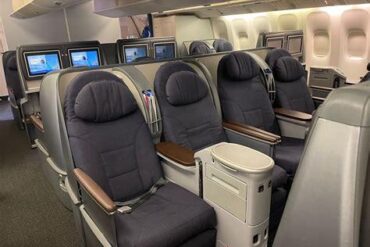
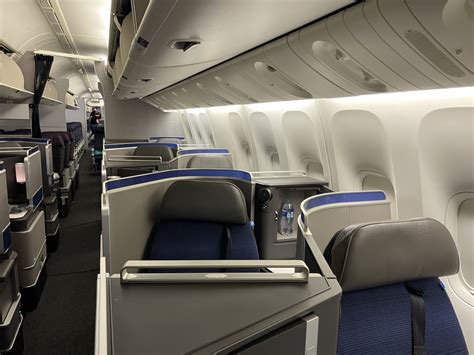
Despite its age, the aircraft remains a critical asset within United’s long-haul fleet. Configured with 50 Polaris business-class seats, 24 premium economy seats, and 202 economy seats, the aircraft continues serving high-demand international routes.
Key details about the pioneering aircraft include:
- Registration: N37018
- Manufacturer Serial Number: 397
- Fleet Number: 00018
- Age: Approximately 24.2 years
- Original Operator: Continental Airlines
- Hex Code: A43667
The decision to retrofit older aircraft demonstrates United’s commitment to maintaining competitiveness across its existing fleet rather than limiting technological enhancements to newly delivered jets.
A Major Upgrade for Long-Haul Passengers
The practical benefits of Starlink extend well beyond traditional email and web browsing. United passengers can now stream high-definition video content, participate in live sporting events, engage in cloud-based gaming, and conduct business activities requiring substantial bandwidth.
Travelers will also be able to upload and download large files, make travel arrangements in real time, shop online, and access connected entertainment services without experiencing the latency issues commonly associated with older satellite internet systems.
United reports that since introducing Starlink across portions of its fleet, more than 18.6 million passengers have used the service across approximately 311,000 flights. During that period, travelers connected nearly 10 million devices, while customer satisfaction scores increased substantially.
The airline intends to expand Starlink-equipped widebody operations from major hub airports including Newark, Washington Dulles, Houston George Bush Intercontinental, and San Francisco. Future deployments will gradually cover routes throughout Europe, Asia, South America, and other international markets.
Positioning United for the Future of Global Air Travel
United’s investment in Starlink underscores an increasingly important competitive battleground among global airlines: onboard connectivity. As passengers demand uninterrupted digital access throughout their journeys, airlines capable of delivering ground-like internet performance gain a meaningful advantage.
With its first Starlink-enabled transatlantic flight now airborne, United has taken a decisive step toward redefining the international travel experience. By the time the carrier completes fleetwide installations in 2027, millions more travelers crossing oceans aboard United aircraft are expected to enjoy a level of connectivity once considered impossible at cruising altitude.