The long-haul battlefield across the Atlantic has quietly transformed into a high-stakes contest for premium travelers, and American Airlines is leaning hard into that reality. In 2026, the airline’s 244-seat Boeing 787-9 Dreamliner configuration—often referred to as the “premium-heavy” layout—is no longer an experiment. It is a calculated, revenue-focused deployment aimed squarely at the world’s most lucrative corridor: flights to London Heathrow Airport.
What makes this strategy compelling is not just the reduced seat count, but the deliberate imbalance toward higher-paying cabins. With 51 Business Class seats, 32 Premium Economy seats, and a restrained Economy footprint, the aircraft transforms into a flying statement: fewer passengers, higher yield, and a distinctly elevated onboard experience.
Why the 244-Seat Dreamliner Configuration Matters
The shift toward premium density is not a coincidence—it reflects a structural change in traveler behavior. Demand for comfort, privacy, and productivity in the air has surged, particularly on transatlantic routes where time and convenience carry a premium.
By reducing total capacity compared to traditional layouts, American Airlines is effectively trading volume for value. The 787-9P configuration maximizes revenue per square foot, ensuring that each cabin section contributes more significantly to overall profitability. This is especially crucial on routes where competition is fierce and differentiation is subtle.
Unlike older cabin layouts that prioritized economy seating, this version of the Dreamliner leans into experience-driven travel, where passengers are willing to pay for space, quiet, and personalized service. It’s a strategic pivot that aligns with broader industry trends, particularly among legacy carriers.
The Five Ultra-Premium Routes Anchoring the Strategy
Every deployment decision tells a story, and in this case, the story revolves entirely around London. American Airlines has concentrated its premium-heavy Dreamliners on five key routes, all converging on Heathrow—arguably the most competitive long-haul hub in the world.
The standout route is Chicago O’Hare to London Heathrow, operating up to three daily flights with the 244-seat configuration. This frequency signals strong corporate demand and a steady flow of high-value passengers.
Close behind are New York JFK and Philadelphia, each offering double-daily services. These routes benefit from dense financial and business travel, where premium cabins consistently outperform expectations. Meanwhile, Los Angeles and Dallas/Fort Worth round out the network with daily flights, extending the premium strategy coast-to-coast.
This concentrated deployment is no accident. Heathrow routes are among the most profitable in global aviation, and by saturating them with premium capacity, American positions itself directly against rivals like British Airways, Virgin Atlantic, and major U.S. competitors.
Inside the Flagship Suite Experience
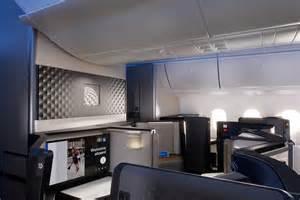
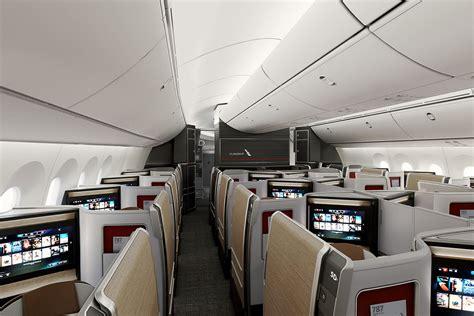
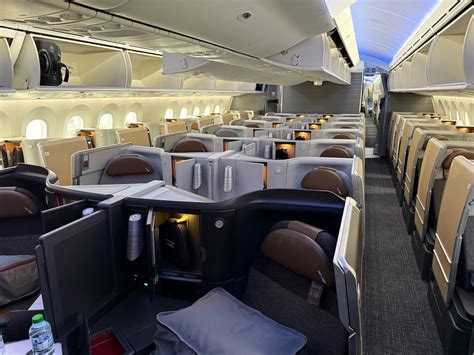
At the heart of this aircraft’s appeal is the Flagship Suite, a business class product designed to rival the best in the industry. Each suite features a sliding privacy door, transforming the seat into a personal cocoon that balances comfort with exclusivity.
The design goes beyond aesthetics. The suite includes a chaise lounge seating position, allowing passengers to relax in multiple configurations throughout the flight. For those seated in the front row—designated as Flagship Suite Preferred—additional storage enhances practicality, catering to frequent flyers who travel with multiple devices and personal items.
This cabin is not merely about luxury; it’s about functional privacy, enabling passengers to work, rest, and dine without interruption. On overnight transatlantic flights, that difference is measurable in both rest quality and overall satisfaction.
Premium Economy: The Quiet Revenue Engine
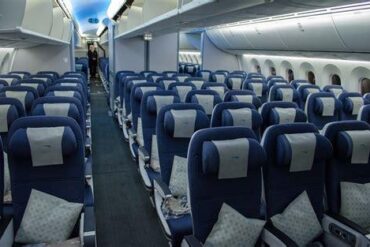
While business class often grabs headlines, Premium Economy plays a crucial supporting role in this configuration. With a 38-inch seat pitch, adjustable leg and calf rests, and larger entertainment screens, it bridges the gap between affordability and comfort.
Passengers in this cabin gain access to a noticeably upgraded experience without the full cost of business class. For American Airlines, this translates into a highly efficient revenue segment—one that captures travelers willing to pay more for comfort, but not at the highest tier.
The inclusion of wireless charging and enhanced inflight entertainment further elevates the experience, ensuring that even mid-tier passengers feel the benefits of the premium-heavy design philosophy.
Competing in the World’s Most Contested Airspace
The decision to deploy these aircraft exclusively on Heathrow routes underscores the intensity of competition. Airlines such as Delta Air Lines and United Airlines have already invested heavily in premium cabins, making differentiation essential.
American’s approach is both aggressive and precise. By increasing the proportion of premium seats rather than simply upgrading existing ones, the airline ensures it can capture a larger share of high-yield passengers. This is particularly important on routes where corporate contracts and loyalty programs drive consistent demand.
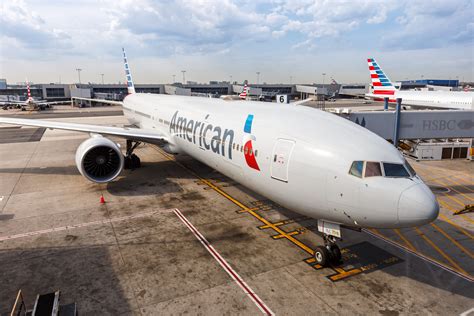
Moreover, the frequency of service—especially on routes like Chicago and New York—adds another competitive layer. More flights mean more flexibility, a key factor for business travelers who prioritize schedule over price.
A Strategic Bet on the Future of Long-Haul Travel
The 244-seat Dreamliner is more than a cabin configuration—it is a strategic blueprint for the future. By aligning aircraft design with evolving passenger expectations, American Airlines is effectively redefining how long-haul travel generates value.
This approach signals a broader industry shift. Airlines are no longer chasing maximum occupancy; they are pursuing maximum yield per passenger. The premium-heavy model reflects a belief that the future of aviation lies not in carrying more people, but in serving the right passengers better.
As 2026 unfolds, these five routes to London will serve as a proving ground. If the model continues to deliver strong returns, it could reshape fleet strategies across the industry, pushing more airlines toward similar configurations.
In the end, the message is clear: the era of one-size-fits-all cabins is fading. In its place, a more refined, targeted, and undeniably premium approach is taking flight—and American Airlines is determined to lead that evolution.