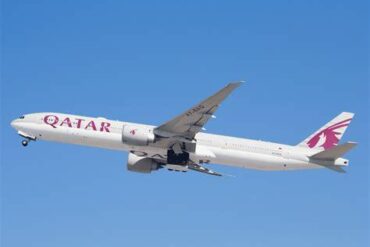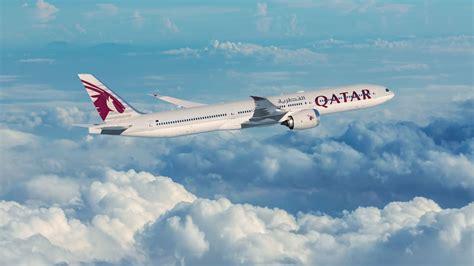
The aviation landscape of 2026 is being reshaped by a bold and complex shift toward ultra-long-haul connectivity, and few airlines embody this transformation more dramatically than Qatar Airways. Facing geopolitical disruptions, airspace constraints, and fluctuating global demand, the Doha-based carrier is not retreating—it is recalibrating. The result is a network of massive 20-hour journeys that push the boundaries of endurance, engineering, and operational strategy.
These flights are not simply longer; they are strategically redesigned lifelines connecting continents through adjusted routings and calculated stopovers. As traditional flight paths are rerouted due to regional instability, particularly surrounding Iranian airspace, Qatar Airways has crafted a schedule that reflects both resilience and ambition. The numbers alone are staggering, but the implications for passengers, economics, and the future of long-haul travel are even more profound.
The New Era of 20-Hour Flights from Doha
Qatar Airways’ latest schedule submissions reveal a network in flux. Compared to 2025, the airline has significantly reduced its departures, with nearly 40% of flights from Doha cut during peak months earlier in the year. Yet, instead of scaling down its global reach, the airline has leaned into longer, more complex itineraries.
At the heart of this transformation lies a fundamental shift: block times have expanded dramatically. These measurements—covering everything from taxiing to airborne duration—now reflect detours that stretch journeys to unprecedented lengths. What was once a 17-hour marathon has evolved into a 20-hour odyssey, redefining passenger expectations and operational limits alike.
Doha–Adelaide–Auckland: The Longest Journey Reimagined
The crown jewel of Qatar Airways’ ultra-long-haul network remains its service linking Doha, Adelaide, and Auckland. Traditionally the airline’s longest route, it has now grown into a 20-hour and 15-minute journey, thanks to the reintroduction of a stopover in Australia.
This routing is more than a workaround—it is a strategic pivot. By leveraging fifth freedom rights between Adelaide and Auckland, Qatar Airways not only maintains connectivity but also taps into a valuable regional market. Operated by the Boeing 777-300ER, the service runs daily, offering passengers a rare combination of intercontinental and trans-Tasman travel within a single itinerary.
The schedule itself reveals a careful balance between efficiency and practicality. Evening departures from both Adelaide and Auckland allow business travelers to maximize productivity, though late-night arrivals—particularly into New Zealand—highlight the trade-offs inherent in such extended journeys.
Los Angeles and the Rise of 18-Hour Transpacific Flights
If Auckland represents the extreme, Los Angeles embodies the new normal. Qatar Airways’ Doha–LAX route now clocks in at up to 18 hours and 5 minutes, a significant increase driven by necessary detours around restricted airspace.
Initially served by the Airbus A350-1000, the route transitions to the Boeing 777-200LR, an aircraft renowned for its ultra-long-range capabilities. This shift underscores a broader operational reality: aircraft selection is now inseparable from geopolitical strategy.
The implications extend beyond scheduling. Longer flight times mean higher fuel consumption, increased emissions, and intensified crew management challenges. Yet, demand for direct connectivity between the Middle East and the U.S. West Coast remains strong, ensuring the route’s continued importance despite its extended duration.
Australia and North America Dominate the Long-Haul Network
Beyond Auckland and Los Angeles, Qatar Airways’ longest routes form a geographically diverse yet strategically focused portfolio. Australia and North America dominate the list, reflecting both market demand and the airline’s global positioning.
Routes such as Doha–Canberra via Melbourne reach nearly 18 hours, while major U.S. hubs including Dallas/Fort Worth and San Francisco approach or exceed 17.5 hours. Each of these services has seen noticeable increases in block time, driven by rerouting and operational adjustments.
What distinguishes these flights is not just their duration, but their adaptability. Stops in cities like Melbourne are not merely logistical necessities; they are opportunities to secure additional traffic rights and optimize load factors. In this sense, every ultra-long-haul route becomes a multi-layered commercial strategy, blending passenger demand with regulatory navigation.
The Expanding Top 10: From Houston to Southeast Asia
The latter half of Qatar Airways’ top 10 longest routes reveals a network that stretches across continents with remarkable consistency. Flights to Houston, Seattle, Miami, and Chicago now range between 16 and 17 hours, each reflecting incremental increases tied to altered flight paths.
Interestingly, Miami stands out for its relatively modest extension—just five additional minutes—thanks to its geographic positioning, which minimizes the need for significant detours. This contrast highlights how location-specific factors can dramatically influence flight duration even within the same network.
At the edge of the top 10, two routes share the spotlight: Doha–São Paulo and Phnom Penh via Ho Chi Minh City, each reaching approximately 15 hours and 40 minutes. The latter underscores Qatar Airways’ longstanding presence in Southeast Asia, where multi-stop services remain a practical necessity.
Operational Challenges and Passenger Realities
Behind every 20-hour flight lies a complex web of operational challenges. Extended durations demand meticulous planning, from crew rotations and rest protocols to fuel management and maintenance scheduling. Even minor delays can cascade into significant disruptions when flights span nearly an entire day.
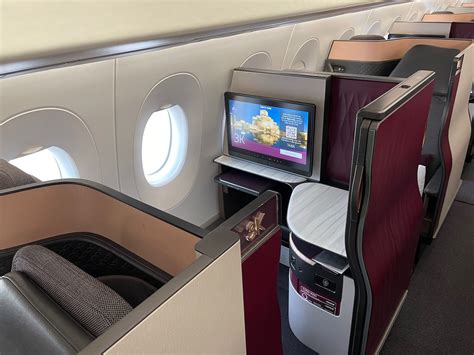
For passengers, the experience is equally transformative. Ultra-long-haul travel requires a rethinking of comfort, nutrition, and in-flight engagement. Qatar Airways has long positioned itself as a leader in premium service, but these extended journeys push even the most refined cabins to their limits.
Cabin design, seat ergonomics, and inflight entertainment are no longer luxuries—they are critical components of endurance travel. The difference between a tolerable 20-hour flight and an exhausting one often comes down to these details.
A Glimpse Into the Future of Global Aviation
Qatar Airways’ 2026 network is more than a response to current challenges; it is a preview of aviation’s future. As geopolitical uncertainties persist and technological advancements continue, airlines will increasingly rely on flexible routing, ultra-long-range aircraft, and innovative scheduling to maintain global connectivity.
The era of the 20-hour flight is no longer theoretical—it is operational reality. And while these journeys may test the limits of endurance, they also redefine what is possible in modern aviation. For travelers, the world remains accessible, even as the paths between destinations grow longer and more complex.
In this evolving landscape, Qatar Airways stands at the forefront, proving that distance is no longer a barrier, but a challenge to be mastered.