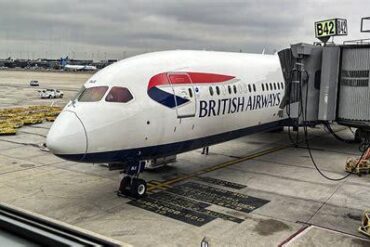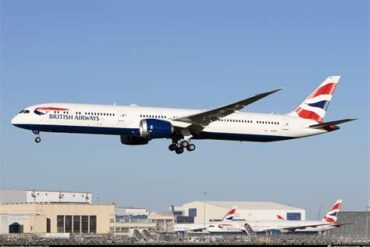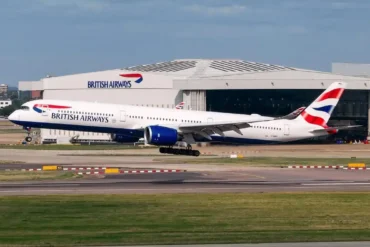
British Airways is deploying an exceptional variant of the Boeing 787-8 Dreamliner, one that significantly deviates from standard configurations across the global aviation landscape. With only 204 seats, this aircraft is not only BA’s lowest-capacity widebody but also a strategic tool for premium-driven route optimization. As British Airways pivots toward higher yields, enhanced cabin products, and refined market targeting, the story of the 204-seat 787-8s unfolds as a compelling case of fleet innovation.
The Rationale Behind Reconfiguring the Dreamliner
The traditional layout of British Airways’ 787-8s featured 214 seats, already on the lower end of capacity for twin-aisle jets. However, the shift to a 204-seat layout—currently implemented in seven of BA’s twelve 787-8s—reflects deeper ambitions. The airline’s investment goes beyond aesthetics: it’s a push toward high-yield premium seating.
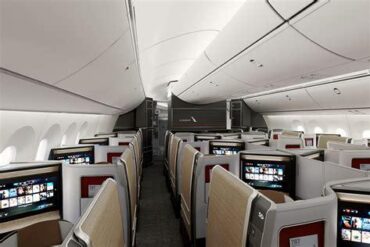
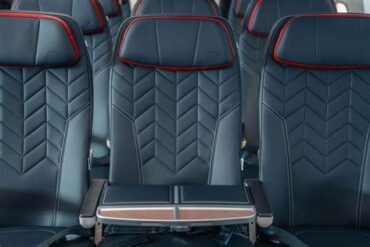
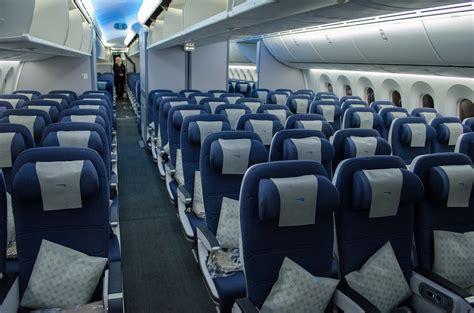
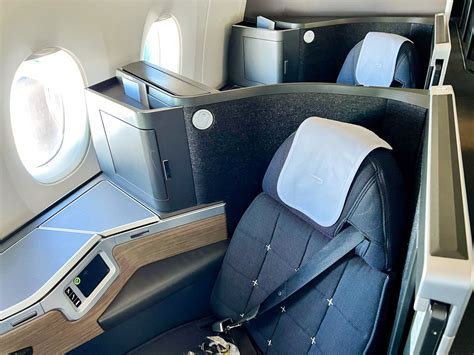
The reconfiguration includes the acclaimed Club Suite, BA’s next-generation business class product featuring privacy doors, direct aisle access, and lie-flat seating. While the number of business class seats drops slightly from 35 to 31, the quality leap is significant. The most substantial change occurs in World Traveller Plus, or premium economy, where seats have risen from 25 to 37—a 48% increase.
This layout strategically trims economy from 154 to 136 seats, nudging BA’s widebody usage toward profitability per seat rather than sheer volume. The implication is clear: these jets are not meant for ultra-dense markets but for routes where premium demand exists without flooding capacities.
Aircraft Refits in Cardiff: More Than Just New Seats
The ongoing reconfiguration effort is headquartered in Cardiff, where frames such as G-ZBJD and G-ZBJI have been undergoing extensive modifications. Notably, Juliet Delta has spent 10 months out of service, an unusually long downtime even by retrofit standards. This suggests the work includes more than seat changes—potentially avionics upgrades, structural modifications, or cabin system enhancements.
British Airways’ choice to commit this level of capital and time signals strong confidence in the long-term value of the configuration, which may very well define a new strategic tier in its international fleet.
Operational Blueprint: Where the 204-Seat Dreamliners Will Fly in 2026
According to 2026 scheduling data, the low-capacity Dreamliners will serve 20 routes from London Heathrow during the first half of the year. These routes are not arbitrarily chosen. They represent markets with premium passenger demand, mixed-yield potential, or competitive sensitivity.
India dominates the map, with 35% of all 204-seat Dreamliner flights, reflecting strong ties between the UK and Indian subcontinent. Major Indian destinations include:
- Hyderabad
- Chennai
- Mumbai
These cities offer consistent premium cabin demand, particularly from business and VFR (visiting friends and relatives) traffic, making them ideal matches for this configuration.
North America also sees strategic deployment:
- Montreal and Toronto—important for both leisure and business travel—are regular destinations.
- St. Louis represents a unique entry, as BA launches seasonal service beginning April 19, 2026. Except for its inaugural flights operated by the larger 787-9, the route will primarily rely on the 204-seat 787-8, highlighting its adaptability for mid-tier US cities.
With just 20 departures scheduled, Abu Dhabi stands as the least-served route in the list, potentially hinting at future expansion or test-market evaluation.
Yield Over Volume: Strategic Implications of Smaller Cabins
The move toward fewer total seats—while increasing the relative share of premium economy—is a telling evolution. British Airways is clearly betting on yield management and passenger segmentation, prioritizing:
- Cabin monetization over seat occupancy
- Customer experience through privacy, comfort, and convenience
- Market alignment with high-premium, mid-volume destinations
Such configurations are more expensive to operate on a per-seat basis, but the revenue-per-seat potential from Club Suites and expanded World Traveller Plus cabins can outweigh these costs when aligned with the right route network.
Contextualizing Within Heathrow’s Fleet Landscape
While BA’s 204-seat Dreamliner is its lowest-capacity widebody, it’s only Heathrow’s fourth lowest among twin-aisle aircraft. It trails:
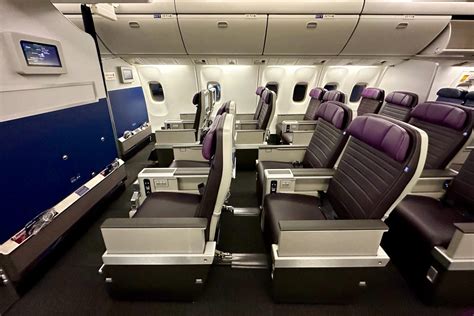
- United Airlines’ 167-seat Boeing 767-300ER, which serves premium-heavy routes like Newark and Chicago O’Hare.
- Japan Airlines’ 186-seat 787-8, used for overnight services between Tokyo Haneda and London.
- Azerbaijan Airlines’ 198-seat 767, temporarily replacing their 210-seat 787-8 on select dates.
This context showcases how major carriers strategically deploy low-capacity widebodies to prioritize premium-heavy or thin long-haul markets, reaffirming the importance of such models within global fleet strategy.
The Broader Fleet Picture: British Airways’ Long-Haul Arsenal
British Airways operates a substantial widebody fleet comprising 131 twin-aisle aircraft, accounting for 44% of its mainline inventory. The breakdown includes:
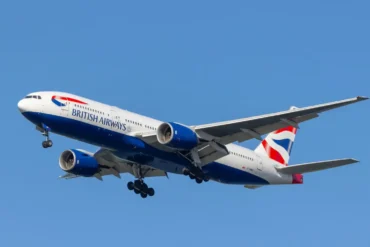
- 43 Boeing 777-200ERs
- 18 Airbus A350-1000s
- 18 Boeing 787-9s
- 16 Boeing 777-300ERs
- 12 Airbus A380s
- 12 Boeing 787-8s
- 12 Boeing 787-10s
While the A350 and 787-10s are relatively newer, the 787-8s have been in service long enough to justify extensive upgrades. The current reconfiguration project is a targeted modernization strategy, enabling older frames to remain competitive with younger siblings in the fleet.
Future Outlook: What Comes After the 204-Seat Era?
British Airways has not yet revealed if the remaining four 787-8s will be reconfigured, though industry speculation leans toward eventual full-fleet standardization. With new seats being the airline’s most premium product offering to date, uniformity would simplify:
- Crew training and operations
- Maintenance schedules
- Marketing and route planning
As sustainability continues to shape long-haul planning, these lower-capacity jets—while older—can also benefit from lighter interiors, reduced fuel burn per flight, and better environmental performance metrics on select routes.

Conclusion: A Premium Future in a Lean Frame
British Airways’ decision to reconfigure its Boeing 787-8 fleet to just 204 seats is a deliberate play in a competitive, capacity-sensitive market. Rather than squeezing more seats, BA is sculpting a cabin that delivers value, comfort, and profitability. With the rollout continuing into 2026, and routes carefully selected to reflect passenger profile and demand curves, these aircraft are poised to become a cornerstone of the airline’s premium service strategy.
From Hyderabad to St. Louis, each flight tells the story of a carrier recalibrating for future profitability—one upgraded Dreamliner at a time.