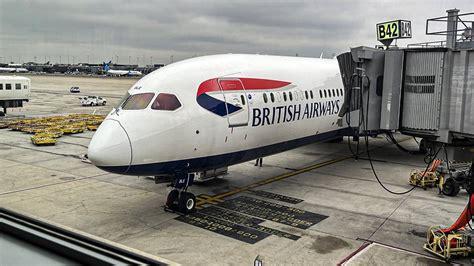
British Airways is expanding its global network with a remarkable collection of ultra-long-haul Boeing 787 routes, connecting London Heathrow with some of the most distant cities on Earth. These flights demonstrate how modern widebody aircraft have transformed international travel, allowing airlines to operate longer, more efficient journeys while maintaining premium passenger comfort.
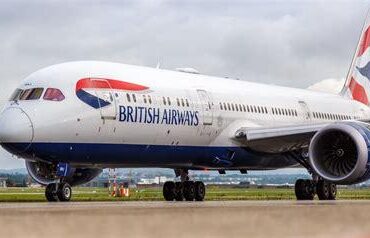
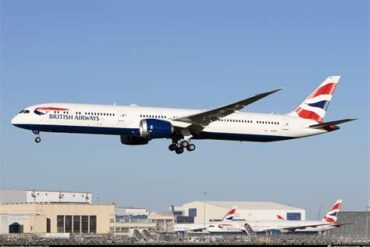
The airline’s Boeing 787 Dreamliner fleet plays a central role in this strategy. British Airways is one of only a few carriers worldwide operating all three major variants of the aircraft, including the 787-8, 787-9, and 787-10. Together, these 42 aircraft represent nearly one-third of the airline’s widebody fleet and support some of its most important long-distance services.
The longest Boeing 787 operations in the British Airways network stretch across multiple continents, covering routes between Europe, Asia, Oceania, Africa, and the Americas. Some flights exceed 15 hours of scheduled block time, while the longest connection reaches almost an entire day of travel when including a stopover.
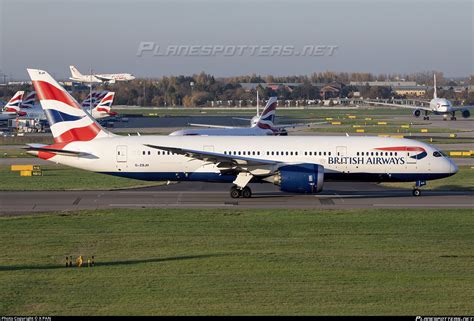
British Airways’ Boeing 787 Fleet Powers Global Expansion
The Boeing 787 has become one of the most important aircraft families in British Airways’ long-haul operations because of its combination of efficiency, range, and passenger-focused design. The 787 Dreamliner’s lightweight composite structure, improved fuel efficiency, and advanced cabin environment make it ideal for routes that require long-distance capability without the capacity of larger aircraft.
British Airways operates 12 Boeing 787-8 aircraft, 18 Boeing 787-9 aircraft, and 12 Boeing 787-10 aircraft. Each variant serves a different purpose within the airline’s network. The 787-8 is the smallest configuration, featuring around 204 seats after a recent cabin redesign that increased premium economy capacity. The aircraft is frequently used on routes where efficiency and flexibility are more important than maximum passenger numbers.
The 787-9 provides greater range and remains the backbone of many of British Airways’ longest services. Depending on the cabin configuration, it carries either 215 or 216 passengers and includes premium cabins designed for international travelers seeking comfort on extended journeys. Meanwhile, the larger 787-10 offers around 256 seats and is mainly deployed on high-demand routes where additional capacity is required.
The Longest British Airways Boeing 787 Route Almost Reaches 24 Hours
The most extreme journey in British Airways’ Boeing 787 schedule is the service between Sydney Kingsford Smith Airport and London Heathrow via Singapore Changi Airport. With a maximum block time of approximately 24 hours and 5 minutes, this route represents the airline’s longest Dreamliner operation.
The service operates with the Boeing 787-9 during the northern summer season. The aircraft connects Australia and the United Kingdom through Singapore, creating one of the world’s longest commercial travel experiences. During the northern winter period, British Airways switches the route to the larger Boeing 777-300ER to provide additional capacity for strong demand between Europe and Australia.
This route highlights the continuing importance of connecting major global cities despite their enormous geographical distance. Sydney remains one of British Airways’ most prestigious destinations, attracting both business travelers and leisure passengers seeking direct access to Europe through a reliable one-stop connection.
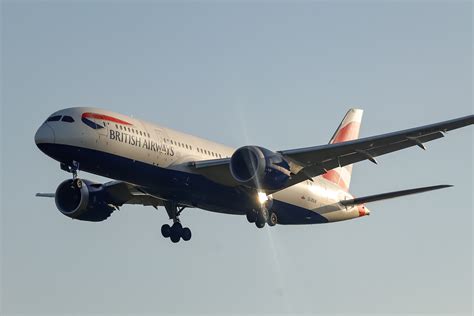
Melbourne Returns With British Airways’ New Ultra-Long Route
The second-longest Boeing 787 route in the British Airways network is the newly introduced connection between Melbourne Airport and London Heathrow via Kuala Lumpur. Beginning in January 2027, the route will operate daily using the Boeing 787-9.
The return to Melbourne represents a significant milestone for British Airways because the airline previously served Victoria more than two decades ago. The carrier last operated flights to Melbourne in 2006, when the Boeing 747-400 was used on a service through Singapore.
Before this new route launched, passengers traveling between London and Melbourne relied entirely on connecting flights through other airports. Major transit points included Singapore, Dubai, Hong Kong, Kuala Lumpur, Doha, Shanghai Pudong, Abu Dhabi, Bangkok, Perth, and Bandar Seri Begawan.
The introduction of British Airways’ own service is expected to strengthen the airline’s position in the Australia-Europe market. It also allows the carrier to compete more effectively against other international airlines offering one-stop connections between the two cities.
Tokyo, Shanghai, and Singapore Lead British Airways’ Longest Nonstop Flights
Among British Airways’ nonstop Boeing 787 operations, the route from Tokyo Haneda Airport to London Heathrow ranks as the longest. The service reaches a maximum block time of around 15 hours and 5 minutes.
The extended journey time is partly influenced by current geopolitical conditions. Since British Airways cannot use Russian airspace, flights between Europe and Japan must follow longer routes through Central Asia and other regions. Before these restrictions, the same journey could be completed significantly faster, with previous maximum times of around 12 hours and 40 minutes.
The longer routing affects several areas of airline operations, including fuel consumption, operating costs, and emissions. However, European airlines face similar challenges, meaning the competitive impact is relatively balanced. Airlines with access to Russian airspace may have shorter flight times, while carriers from the Middle East benefit from their strategic geographic positions.
British Airways also operates a major Boeing 787-9 service between Shanghai Pudong and London Heathrow, with a maximum block time of approximately 14 hours and 50 minutes. The route connects two important financial centers and demonstrates the Dreamliner’s role in supporting long-distance business travel.
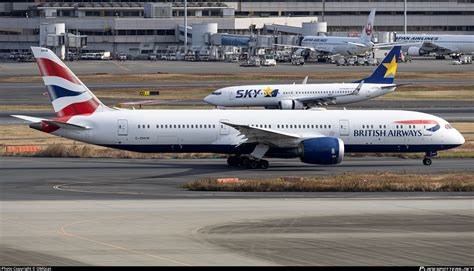
Full List of British Airways’ 11 Longest Boeing 787 Routes
British Airways’ longest Dreamliner routes represent a diverse global network covering six continents. These services include both nonstop flights and one-stop operations measured by maximum scheduled block time.
The complete ranking includes:
- Sydney to London Heathrow via Singapore — approximately 24 hours 5 minutes
- Melbourne to London Heathrow via Kuala Lumpur — approximately 23 hours 45 minutes
- Tokyo Haneda to London Heathrow — approximately 15 hours 5 minutes
- Shanghai Pudong to London Heathrow — approximately 14 hours 50 minutes
- London Heathrow to Santiago — approximately 14 hours 35 minutes
- Singapore to London Heathrow — approximately 14 hours 30 minutes
- Kuala Lumpur to London Heathrow — approximately 14 hours 5 minutes
- London Heathrow to Mexico City — approximately 12 hours
- London Heathrow to Cape Town — approximately 12 hours
- London Heathrow to San José, Costa Rica — approximately 11 hours 35 minutes
- Chennai to London Heathrow — approximately 11 hours 30 minutes
These routes show how the Boeing 787 enables British Airways to maintain an extensive long-haul network while matching aircraft size with market demand.
The Future of Ultra-Long-Haul Travel at British Airways
British Airways’ expanding Boeing 787 network reflects a broader transformation in aviation. Airlines are increasingly using fuel-efficient aircraft to operate routes that were once difficult or impossible to maintain profitably.
The Dreamliner allows British Airways to serve distant destinations with improved efficiency while offering passengers modern cabins, better humidity levels, larger windows, and a quieter flying experience. As global travel demand continues recovering, aircraft like the Boeing 787 will remain essential tools for connecting major cities across the world.
The airline’s 11 longest Boeing 787 routes demonstrate that ultra-long-haul travel is no longer limited to a small number of experimental services. Instead, it has become a core part of international aviation, bringing cities separated by thousands of miles closer together than ever before.