Concorde Comfort Was About Time, Not Space
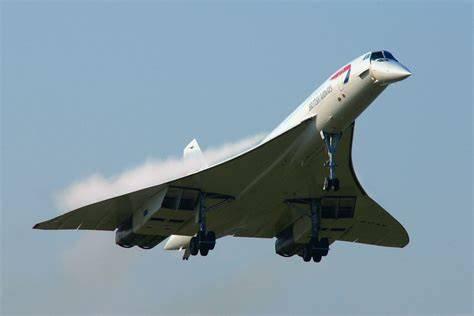
For nearly three decades, Concorde represented the ultimate symbol of luxury air travel, carrying passengers between Europe and North America at twice the speed of sound. From 1976 until its retirement in 2003, the aircraft transformed the meaning of commercial aviation by allowing travelers to cross the Atlantic in around three and a half hours.
However, the question of whether flying on Concorde was actually comfortable is far more complicated than its glamorous reputation suggests. The aircraft delivered an experience unlike anything else in aviation history, but its physical cabin was surprisingly modest compared with the premium cabins found on modern long-haul aircraft.
Passengers did not receive enormous seats, private suites, or spacious lounges inside the aircraft. Instead, they received something that airlines today still struggle to offer: time savings on an almost unimaginable scale. Concorde’s comfort came from speed, exclusivity, exceptional service, and the feeling of participating in a historic aviation achievement.
The aircraft’s narrow cabin, limited seat recline, and small windows would seem outdated by modern standards. Yet for many passengers, these disadvantages were minor because the entire flight experience was designed around arriving quickly, refreshed, and ahead of everyone else.
The Concorde Cabin Was Smaller Than Many Passengers Expected
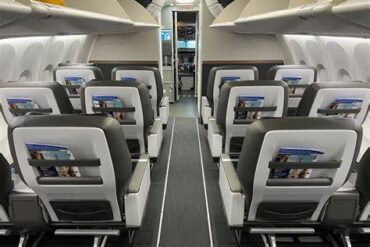
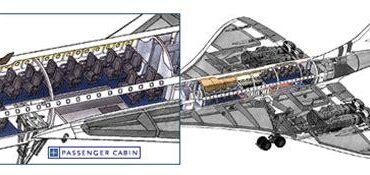
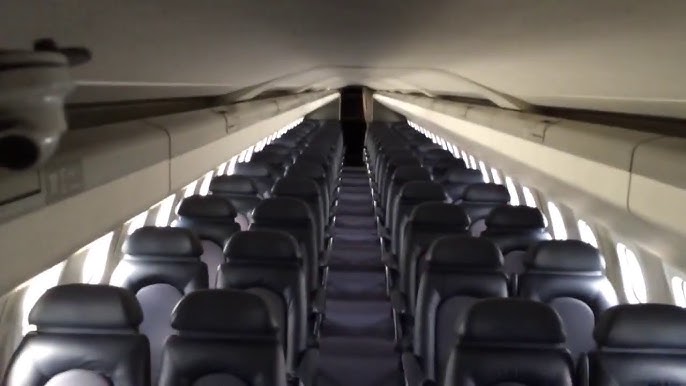
When travelers stepped onto Concorde, they often discovered a cabin that looked less like a futuristic spacecraft and more like a carefully refined narrow-body aircraft. The fuselage was only 9 feet 6 inches (2.9 meters) wide, making it significantly narrower than modern wide-body aircraft such as the Boeing 777, Airbus A350, or Boeing 787.
Both British Airways and Air France operated Concorde with a 2-2 seating arrangement, meaning four seats across a single aisle. The aircraft carried only 100 passengers in its standard configuration, creating a much more exclusive environment than conventional airliners.
The leather seats were comfortable enough for a short premium flight, but they were not extraordinary. Seat pitch was approximately 34 inches (86 centimeters), providing more legroom than economy class but less space than many modern business class seats. The seats offered limited recline and were designed for sitting rather than sleeping.
This was one of Concorde’s greatest contradictions. Passengers paid a fare higher than first class on many conventional aircraft, yet the seat itself did not represent the most luxurious product available at the time.
By the late 1990s, first class passengers on Boeing 747s enjoyed larger seats, better entertainment systems, more cabin space, and improved sleeping arrangements. Concorde passengers, despite paying significantly more, received a smaller personal area.
The reason was simple: the aircraft was not selling space. It was selling speed.
Small Windows, High Altitude, and a View From the Edge of Space

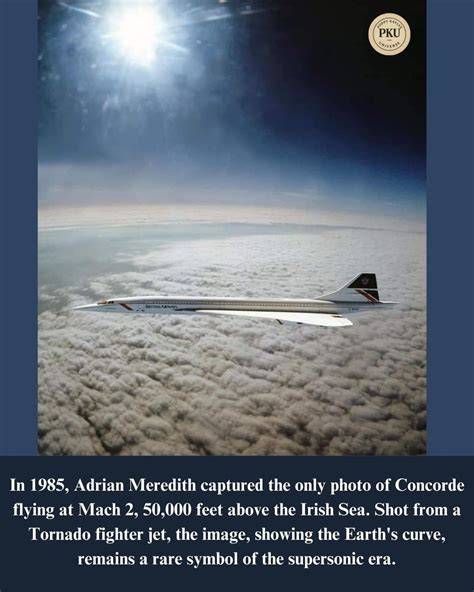
One of the most unusual parts of flying on Concorde was the view outside the window. The aircraft cruised at approximately 60,000 feet (18,288 meters), far above traditional commercial aircraft that usually operate between 30,000 and 40,000 feet.
At that altitude, passengers were flying above roughly 90% of the Earth’s atmosphere. The sky appeared darker, almost reaching the edge of space, and the curvature of the planet became visible.
The experience was something no ordinary passenger aircraft could provide. Travelers often described looking down at the Earth from an altitude where weather systems appeared far below and the horizon seemed noticeably curved.
However, the windows themselves were surprisingly small. Each window measured only around 6 inches (15 centimeters) square, much smaller than the large panoramic windows found on modern aircraft.
This was not a design mistake. The smaller windows were a structural requirement. At Mach 2 speeds and extreme cruising altitudes, Concorde experienced greater pressure differences between the cabin and the outside environment. Smaller windows reduced stress on the fuselage structure.
The aircraft also became physically warmer during supersonic flight. Air friction and compression caused the outer skin temperature around the nose section to reach approximately 250°F (120°C). Passengers could feel warmth around the windows during cruise.
Despite these unusual characteristics, the actual ride quality was remarkably smooth. Because Concorde flew above most atmospheric disturbances, turbulence was often less noticeable than on conventional aircraft flying lower.
The transition through the sound barrier was also surprisingly calm. Many passengers expected a dramatic moment when the aircraft passed Mach 1, but the acceleration was subtle. Without announcements from the crew or the Mach indicator in the cabin, most travelers would not have realized they had entered supersonic flight.
The Food and Service Created the Luxury Experience
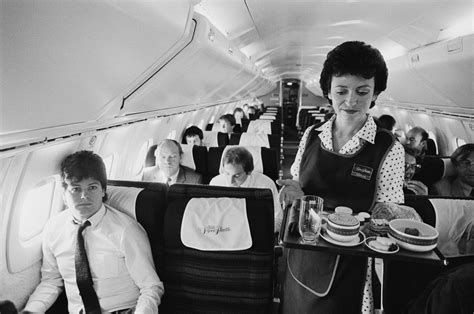
While the cabin design was not revolutionary from a comfort perspective, Concorde’s onboard service helped create its legendary reputation.
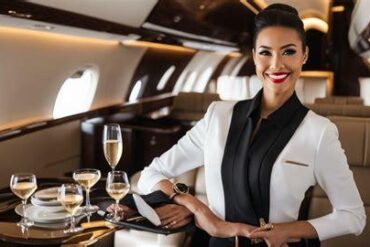
The aircraft offered a level of hospitality closer to a private aviation experience than a normal airline flight. Shortly after departure, passengers were served canapes and champagne before beginning a carefully planned meal service.
The main dining experience featured a five-course gourmet menu, often served using Royal Doulton bone china with silver cutlery. British Airways worked with specialist chefs to create menus designed specifically for Concorde passengers.
The service schedule itself was a remarkable operation. A London-to-New York flight lasted only about three and a half hours, meaning the crew needed to deliver a complete premium dining experience before descent.
Passengers enjoyed carefully selected wines, including vintage champagnes, with menus changing regularly. The emphasis was not simply on eating but on creating an occasion.
Concorde understood something important about luxury travel: comfort is not only about physical dimensions. It is also about how passengers feel during the journey.
The aircraft may not have offered the largest seats, but passengers felt valued because every detail reinforced exclusivity.
The Concorde Experience Started Before Takeoff
The luxury associated with Concorde extended beyond the aircraft itself. British Airways created dedicated Concorde lounges at major airports, offering passengers a private experience before departure.
At Heathrow and JFK, Concorde travelers avoided many of the normal airport frustrations. They could relax in exclusive lounges, enjoy premium refreshments, and board with minimal waiting.
The JFK Concorde lounge became particularly famous for its sophisticated interior design. It featured furniture from renowned designers, premium materials, artwork, and a calm atmosphere that separated Concorde passengers from the busy airport environment.
This ground experience was a major part of what passengers paid for.
A Concorde ticket was not simply an airline seat. It represented an entire journey built around convenience, prestige, and efficiency.
The final-year return fare between London and New York in 2003 was approximately £6,636, a price far beyond ordinary commercial travel. Yet passengers were paying for much more than a seat. They were paying to save hours, avoid airport inconvenience, and experience one of aviation’s greatest achievements.
Why Concorde Passengers Accepted the Limited Seat Comfort
A key reason Concorde succeeded was that flight duration changed the importance of comfort.
A narrow seat with limited recline becomes a serious problem during an eight-hour transatlantic journey. However, on a flight lasting only three and a half hours, those disadvantages became far less significant.
A passenger could depart London in the morning and arrive in New York before the local departure time because of the time zone difference. Business travelers could attend meetings on both sides of the Atlantic within the same day.
For wealthy travelers and executives, this capability was revolutionary.
The real luxury was not having more room. The real luxury was having more hours available after landing.
Many frequent Concorde passengers would likely have accepted a smaller seat because the alternative was spending twice as long in the air on a conventional aircraft.
The aircraft changed the value equation of air travel. Instead of asking, “How comfortable is my seat?” passengers asked, “How much time will I gain?”
How Concorde Compared With Modern Business Class
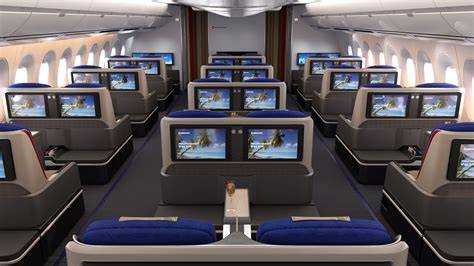
Modern business class has completely transformed expectations of premium air travel. Today’s passengers flying between London and New York can enjoy lie-flat beds, direct aisle access, privacy doors, large entertainment screens, high-speed internet, and restaurant-quality dining.
Aircraft such as the Airbus A350 and Boeing 787 have allowed airlines to create premium cabins that would have seemed impossible during Concorde’s operating era.
Compared with these products, Concorde’s physical cabin appears basic. There were no private suites, no large screens, and no beds.
However, judging Concorde only by modern standards misses the point. The aircraft offered something modern business class cannot fully replicate: supersonic transportation.
A modern passenger may sleep better during a seven-hour flight, but a Concorde passenger could finish the journey before many other travelers had reached cruising altitude on their own flights.
Was Flying On Concorde Actually Comfortable?
The answer depends on how comfort is defined.
If comfort means the largest seat, the most personal space, the best sleeping arrangement, or the newest entertainment technology, then Concorde was not the most comfortable aircraft ever built.
Its cabin was narrow. The windows were small. The seats were limited. The aircraft lacked many features now considered standard in premium aviation.
But if comfort means reducing travel fatigue, avoiding long hours in the air, receiving exceptional service, and experiencing something extraordinary, then Concorde offered an unmatched level of comfort.
The aircraft proved that luxury is not always about having more space. Sometimes luxury is about eliminating time.
Concorde passengers did not remember the aircraft because of the seat pitch or cabin width. They remembered watching the Earth curve beneath them, drinking champagne at twice the speed of sound, and arriving across the Atlantic before most travelers had finished their journey.
For that reason, Concorde remains one of the most remarkable examples of aviation comfort ever created—not because it provided the biggest cabin, but because it completely changed what a flight could achieve.