Flying an aircraft safely requires far more than technical skill and flight experience. Even highly trained aviators must constantly evaluate changing conditions, potential hazards, and human factors that can influence the outcome of a flight. This is why many pilots rely on structured decision-making tools such as the 5 Ps checklist, a practical framework designed to improve situational awareness and reduce risk.
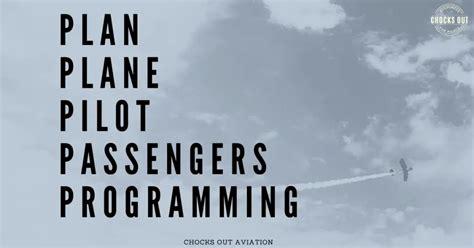
The 5 Ps for pilots represent five critical areas that should be reviewed before and during a flight: Plan, Plane, Pilot, Passengers, and Programming. Originally developed as part of single-pilot crew resource management (SRM) practices, the checklist helps pilots identify problems before they become serious threats. Rather than replacing traditional procedures, the 5 Ps provide an additional layer of safety by encouraging continuous evaluation throughout every stage of a flight.
The importance of this approach extends beyond student pilots. Experienced aviators also use repetitive checklist systems because aviation safety depends heavily on discipline, consistency, and preparation. A familiar routine can prevent small oversights from developing into dangerous situations.
Understanding the 5 Ps Checklist for Pilots
The first “P” stands for Plan, which represents the overall strategy and preparation behind a flight. Before an aircraft leaves the ground, pilots must consider numerous factors, including weather conditions, route selection, airport information, fuel requirements, and possible emergency alternatives.
A strong flight plan does not only focus on reaching the destination. It also considers what could happen if something changes. Pilots evaluate questions such as whether a runway is closed, if another airport should be selected as a backup, how changing weather could affect the route, and what actions would be necessary during an unexpected situation.
This preparation creates a mental roadmap that allows pilots to make faster and safer decisions. Aviation environments can change quickly, and having multiple options available reduces pressure when problems occur.
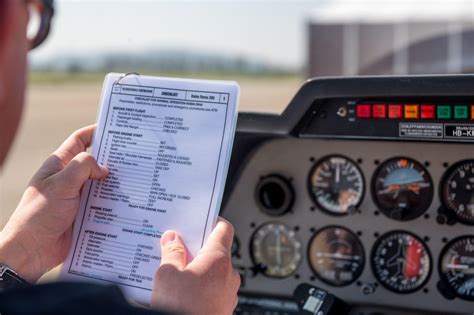
The second “P” focuses on the Plane itself. Every aircraft has specific capabilities, limitations, and operational requirements that must be understood before departure. Pilots carefully review pre-flight inspections, aircraft systems, fuel levels, weight distribution, and performance calculations.
A properly functioning aircraft is only safe when it is operated within its limits. Factors such as excessive weight, improper balance, or incorrect configuration can significantly affect performance. For example, the aircraft’s center of gravity influences handling characteristics, takeoff performance, and overall stability.
The Pilot is the third element of the checklist and one of the most important safety considerations. Aviation professionals recognize that human performance directly affects flight safety. A pilot must honestly evaluate their physical condition, mental readiness, experience level, and ability to manage the planned operation.
Fatigue, illness, stress, or unfamiliarity with a particular flight environment can increase risk. Even a technically skilled pilot may experience reduced decision-making ability when affected by physical or psychological limitations. Recognizing personal limitations is not a weakness; it is an essential part of professional aviation judgment.
Why Passengers and Programming Are Critical Parts of Flight Safety
The fourth “P” represents Passengers. Although passengers are not directly controlling the aircraft, they can influence flight safety in several ways. Effective communication helps create a smoother and safer environment, especially during unexpected situations.
Pilots should consider passenger needs, explain important procedures, and provide guidance about emergency situations. A calm and informed passenger group reduces distractions and helps the pilot maintain focus. In smaller aircraft, passenger behavior, comfort, and expectations can have an even greater effect on the flight experience.
The final “P” stands for Programming, which refers to the aircraft’s navigation systems and technology. Modern aircraft often depend on advanced avionics, including GPS navigation, flight management systems, and electronic displays. However, technology must always be verified and monitored.
Pilots check that navigation points, routes, frequencies, and flight information are correctly entered before departure. Incorrect programming can create serious navigation problems, especially during night operations or flights conducted in challenging weather conditions.
The 5 Ps checklist reminds pilots that technology is a valuable tool but never a substitute for proper decision-making. The pilot remains responsible for confirming that systems are working correctly and that the aircraft is following the intended route.
The 5 Ps Are Used Throughout Every Phase of Flight
One of the most important aspects of the 5 Ps checklist is that it is not only a pre-flight procedure. Pilots continuously revisit these five areas during different phases of flight because risks can change over time.
A flight involves many stages, including taxiing, takeoff, climb, cruise, descent, and landing. Each phase introduces different challenges. Weather conditions may deteriorate, fuel calculations may change, passengers may require attention, or the pilot’s workload may increase unexpectedly.
By repeatedly asking questions related to the 5 Ps, pilots maintain stronger situational awareness and avoid becoming trapped by outdated assumptions. A plan that was safe before takeoff may need adjustment an hour later.
The 5 Ps checklist is also often used alongside other aviation decision-making tools, such as the PAVE checklist, which evaluates the pilot, aircraft, environment, and external pressures. Together, these systems help pilots create a more complete understanding of potential risks.
Ultimately, the 5 Ps for pilots are important because they encourage proactive thinking rather than reactive responses. Aviation safety depends on anticipating problems before they happen. By regularly evaluating the plan, aircraft, pilot condition, passengers, and technology, pilots create a stronger foundation for safe and successful flights.