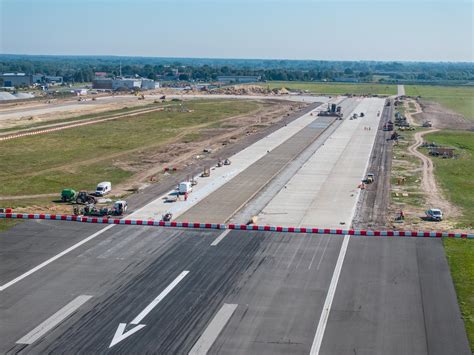
Runway construction rarely captures public attention in the same way as new airport terminals, airline fleet announcements, or record-breaking passenger numbers. However, behind the scenes, airports across North America and Europe are entering one of the most significant infrastructure upgrade cycles in decades. A wave of runway safety reconstruction projects is underway as airports race to meet stricter regulations before the 2027 runway safety deadline arrives.
The upcoming changes are forcing airports to rethink how they protect aircraft during takeoff and landing operations. Many facilities must create larger Runway End Safety Areas (RESAs), install Engineered Materials Arresting Systems (EMAS), or completely rebuild aging runway surfaces. While these investments are designed to reduce the risk of runway overruns and improve long-term safety, they are also creating operational challenges for airlines.
Temporary runway closures, reduced airport capacity, aircraft weight restrictions, and modified flight schedules are becoming increasingly common. For airlines operating at busy hubs, even a small reduction in runway availability can affect everything from aircraft rotations to fuel planning and passenger connections.
Canada’s requirement that airports handling more than 325,000 passengers annually establish 492-foot (150-meter) RESAs by July 12, 2027 has accelerated many projects. Similar safety improvements are also taking place elsewhere as aviation authorities push airports to modernize critical infrastructure.
These projects reveal a major challenge facing modern aviation: airports must improve safety while continuing to support growing passenger demand. The following five airports demonstrate how different facilities are approaching the runway safety challenge, from building new protected areas on artificial land to using advanced arresting systems where expansion is impossible.
Billy Bishop Toronto City Airport: Building Runway Safety Areas on a Limited Island Footprint
Few airports demonstrate the complexity of runway safety upgrades better than Billy Bishop Toronto City Airport. Located on Toronto Islands in Lake Ontario, the airport operates in one of the most geographically constrained environments in commercial aviation. Surrounded by water and urban development, the facility has very little room for traditional expansion.
Yet Billy Bishop must comply with Canada’s upcoming RESA requirement. To achieve this goal, operator PortsToronto is undertaking one of the airport’s most challenging infrastructure projects in recent history. Instead of extending the runway itself, engineers are expanding the land beyond the runway ends to create additional safety zones.
The project is expected to cost between C$61 million and C$64 million and involves creating new protected areas at both ends of the runway. These extensions are designed to reduce the consequences of an aircraft leaving the paved surface during an emergency situation.
Unlike airports with large areas of undeveloped land, Billy Bishop cannot simply extend into surrounding property. Construction teams must work within a marine environment, using barges, temporary platforms, and carefully planned schedules to avoid major disruptions.
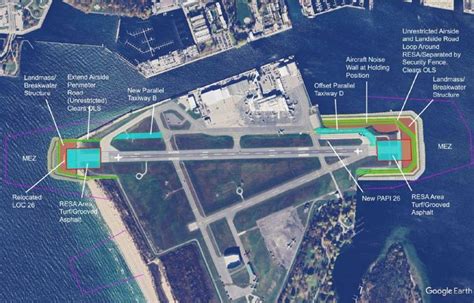
Much of the heavy construction activity occurs overnight after flight operations end. This approach allows airlines, particularly Porter Airlines, to maintain regular daytime service while crews continue the extensive engineering work required to meet the deadline.
The project has also sparked discussion about whether Billy Bishop could have used EMAS technology instead. EMAS provides aircraft arresting capability through specially engineered crushable materials that slow aircraft during runway overruns. The technology is particularly attractive at airports where traditional RESAs are difficult or impossible to build.
However, PortsToronto has chosen physical runway safety areas as the preferred solution, arguing that the approach best fits the airport’s long-term operational needs. Billy Bishop’s experience highlights a broader aviation challenge: meeting modern safety standards often requires customized solutions rather than a universal approach.
Barcelona El Prat Airport: Managing Capacity During Major Runway Rehabilitation
Barcelona-El Prat Airport represents a different runway challenge. Unlike island airports with severe space limitations, Barcelona has room to operate multiple runways. However, as one of Europe’s busiest airports, any reduction in capacity can create significant operational pressure.
The Spanish airport is undertaking a major runway rehabilitation project that requires one runway to temporarily close for approximately 50 to 60 days. During this period, airport operators must carefully coordinate traffic flows while airlines adjust schedules to match reduced runway availability.
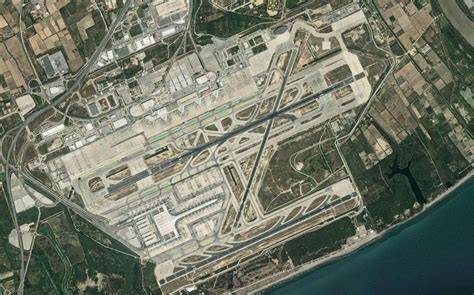
Barcelona is among Europe’s fastest-growing aviation hubs, handling millions of passengers annually. Maintaining reliable operations while completing large-scale infrastructure improvements requires detailed planning between airport authorities, airlines, and air traffic controllers.
The challenge is not simply keeping aircraft moving. Runway reductions affect the entire airport ecosystem. During busy periods, fewer available runways mean fewer opportunities to recover from delays caused by weather, technical issues, or congestion.
For airlines, this can create additional operational pressure. Aircraft may need longer turnaround buffers, schedules may require adjustment, and some flights may experience changes during peak demand periods.
The timing of the project reflects a wider aviation strategy. Airports increasingly prefer completing major construction in concentrated periods rather than allowing smaller disruptions to continue for years. Although short-term inconvenience is unavoidable, completing runway rehabilitation before traffic growth accelerates further helps protect long-term reliability.
Barcelona’s investment demonstrates how airport infrastructure must evolve alongside passenger demand. Runways are among the most critical assets at any airport, and maintaining them requires balancing immediate operational challenges with future aviation growth.
Boston Logan International Airport: Using EMAS Where Traditional Expansion Is Impossible
For airports located in densely populated coastal cities, building larger runway safety areas can be extremely difficult. Boston Logan International Airport is one of the clearest examples.
Surrounded by Boston Harbor and established urban development, Logan has limited opportunities for conventional runway expansion. Acquiring additional land would be expensive, environmentally challenging, and in many cases practically impossible.
Instead, the airport has relied on Engineered Materials Arresting System (EMAS) technology to improve runway safety.
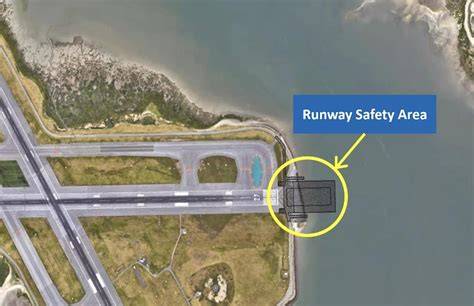
EMAS consists of specially designed materials installed beyond the runway surface. If an aircraft overruns the runway, the system absorbs energy as landing gear moves through the material, helping bring the aircraft to a controlled stop within a shorter distance.
The technology provides airports with an important alternative when traditional RESAs cannot be constructed. According to the Federal Aviation Administration, EMAS installations in the United States have successfully stopped multiple aircraft, preventing potentially serious runway overrun incidents.
For Boston Logan, EMAS provides a practical safety improvement without requiring major changes to the airport’s surrounding environment. It allows the airport to strengthen runway protection while continuing to operate within its existing footprint.
The airport’s approach reflects a growing trend across global aviation. Not every airport can expand outward, especially those surrounded by cities, highways, waterways, or protected land. As aviation regulators increase safety expectations, technologies like EMAS will become increasingly important.
Philadelphia International Airport: Strengthening Runway Protection in a Crowded Region
Philadelphia International Airport faces many of the same challenges as Boston Logan. Located within a heavily developed metropolitan area, the airport has limited space for major physical expansion.
To improve runway safety, Philadelphia installed EMAS at one of its runway ends, providing additional protection against aircraft overruns without requiring a large traditional safety extension.
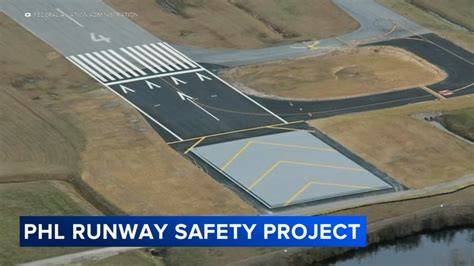
The project demonstrates why runway safety improvements are becoming more technology-focused. While additional runway length or large safety zones may be the preferred option where land is available, many airports simply do not have that luxury.
Philadelphia’s EMAS installation strengthens safety margins while minimizing disruption to airport operations. Compared with major runway reconstruction projects, EMAS can often be installed with less impact on daily aircraft movements.
The investment also highlights the changing priorities of major airports. Modern aviation infrastructure is no longer only about expanding capacity. Increasingly, airports must improve resilience, safety, and reliability within existing physical limits.
For airlines operating through major hubs like Philadelphia, these upgrades provide additional operational confidence. While passengers may never notice the system beneath the runway environment, these safety improvements represent important protection during rare but high-consequence events.
Sugar Land Regional Airport: A Smaller Airport Facing a Complete Shutdown
Large international airports often receive attention during infrastructure projects because of their scale, but smaller airports can face even greater disruption. Sugar Land Regional Airport in Texas demonstrates how runway construction affects facilities without multiple operating options.
The airport is scheduled to temporarily close Runway 17-35 for 30 consecutive days while crews complete reconstruction and safety improvements.
Unlike major commercial airports with multiple runways, Sugar Land has limited alternatives during construction. General aviation operators, business aircraft users, and charter companies must temporarily adjust their operations while the runway is unavailable.
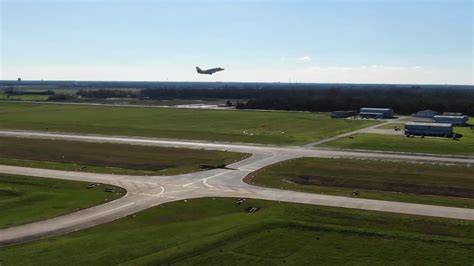
For aircraft owners and operators, the impact can include repositioning flights, additional transportation requirements, and increased operating costs. Smaller airports often lack the flexibility available at major hubs, meaning runway closures can have an immediate effect on local aviation activity.
However, completing the project will provide Sugar Land with a renewed runway and improved safety infrastructure capable of supporting future aviation needs.
The airport’s situation illustrates an important reality about runway modernization. Safety improvements are not limited to international hubs. Airports of all sizes must maintain their infrastructure, and smaller facilities often experience the most visible disruption during construction.
Why Runway Safety Projects Will Reshape Airline Operations Before 2027
The global push toward improved runway safety represents a necessary investment in aviation infrastructure. However, the transition period will create challenges for airlines, airports, and passengers.
As construction accelerates before the 2027 deadline, airlines will need to adapt to changing operational conditions. Reduced runway availability can influence aircraft scheduling, route planning, and airport capacity management.
For some airports, the solution will involve traditional RESA construction. Others will rely on advanced technologies such as EMAS. The correct approach depends on geography, available space, passenger demand, and operational requirements.
The aviation industry has always depended on infrastructure working seamlessly behind the scenes. Runways may appear simple from the passenger perspective, but they represent highly engineered systems requiring constant investment and modernization.
By 2027, many airports will have completed major safety upgrades that passengers may never notice. Yet these projects will quietly improve the reliability and resilience of global aviation, ensuring airports remain capable of supporting future generations of aircraft and travelers.