Turbulence has long been the invisible adversary of aviation—unpredictable, often unsettling, and occasionally dangerous. Despite the extraordinary safety record of modern air travel, turbulence remains one of the leading causes of in-flight injuries, quietly shaping how aircraft are designed, flown, and experienced by passengers. Now, Boeing is pushing the boundaries of innovation with a pair of patented systems that aim to fundamentally change how turbulence is detected, understood, and even engineered against.
As climate patterns evolve and atmospheric instability increases, the urgency for smarter turbulence solutions is no longer theoretical. Boeing’s latest concepts signal a shift from reactive avoidance to proactive, data-driven turbulence management, bringing the aviation industry closer to a future where rough flights may become the exception rather than the norm.
The Growing Challenge of Turbulence in Modern Aviation
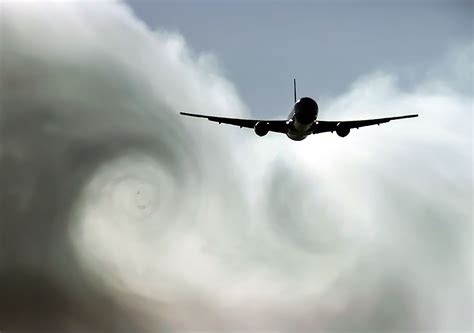
Turbulence is not rare. In fact, it occurs far more frequently than most passengers realize. Each year, tens of thousands of moderate to severe turbulence events are recorded globally. While many of these incidents pass without injury, the unpredictable nature of turbulence—especially clear air turbulence, which lacks visible warning signs—poses a persistent risk.
Airlines and regulators have long recognized that turbulence is not just a comfort issue but a serious safety concern. Statistics from aviation authorities consistently show that a significant percentage of in-flight injuries are linked directly to turbulence, particularly when it strikes unexpectedly. Even experienced flight crews can find themselves navigating rapidly changing air conditions with limited real-time data.
The situation is further complicated by climate change. Research suggests that rising global temperatures are increasing the frequency and intensity of turbulence at cruising altitudes. This means that the skies of the future may be inherently less stable, making innovation not just beneficial, but essential.
Boeing’s Vision: From Prediction to Prevention
Boeing’s approach to turbulence is both ambitious and multi-layered. Rather than focusing solely on avoidance, the company is developing technologies that address turbulence from two critical angles: advanced detection and improved aircraft resilience.
The first patent, known as the System for Measuring Turbulence Remotely, represents a leap forward in how atmospheric disturbances are identified. Instead of relying heavily on pilot reports or conventional radar, this system uses electromagnetic sensing technology to detect subtle changes in the atmosphere ahead of the aircraft. These signals can reveal turbulence long before it becomes physically noticeable.
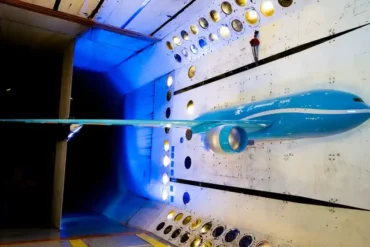
The second patent, the Inflow Turbulence Control Structure, tackles a different but equally important challenge—how aircraft are tested and built to handle turbulence. By recreating more realistic airflow conditions during ground testing, Boeing aims to ensure that aircraft components perform optimally in real-world flight environments.
Together, these innovations suggest a future where turbulence is not merely endured but intelligently managed.
Revolutionizing Detection with Electromagnetic Sensing
Traditional turbulence detection methods rely heavily on weather radar and pilot reports, both of which have limitations. Radar is effective at identifying moisture-related disturbances like storms, but it struggles with clear air turbulence. Pilot reports, while valuable, are inherently subjective and often delayed.
Boeing’s electromagnetic-based detection system introduces a more precise and predictive approach. By analyzing variations in electromagnetic signals as they travel through the atmosphere, the system can identify disruptions in air density and movement—key indicators of turbulence.
What makes this technology particularly compelling is its ability to filter out noise. Aircraft movement, ionospheric interference, and other environmental factors can distort readings, but Boeing’s design incorporates algorithms that isolate meaningful data. The result is a cleaner, more reliable picture of atmospheric conditions.
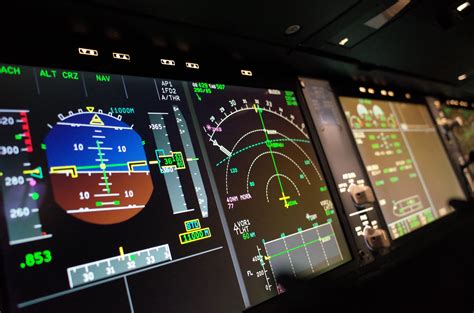
This data is not confined to a single aircraft. Boeing envisions a globally interconnected network where turbulence information is shared in real time across aircraft and ground control systems. Pilots would have access to dynamic 3D maps of turbulence, allowing them to make smarter routing decisions with unprecedented confidence.
Building a Global Turbulence Intelligence Network
Imagine a world where every aircraft contributes to a constantly evolving map of the skies—a living, breathing model of atmospheric behavior. That is the long-term vision behind Boeing’s turbulence detection system.
As aircraft collect and transmit data, the network becomes more accurate and comprehensive. Regions that are currently under-monitored, such as remote oceanic areas, would benefit significantly from this collaborative approach. Over time, this could lead to a global turbulence prediction ecosystem that rivals modern GPS in its ubiquity and reliability.
This shift also addresses a long-standing issue in aviation: the inconsistency of turbulence reporting. Pilot reports, known as PIREPs, vary in accuracy and detail. By contrast, Boeing’s system would provide objective, standardized measurements tied to precise coordinates and altitudes.
The implications extend beyond safety. Airlines could optimize flight paths to avoid turbulence without unnecessary detours, improving fuel efficiency and reducing delays. Passengers, meanwhile, would experience smoother flights and fewer sudden jolts—an outcome that’s hard to overstate in terms of comfort.
Engineering Aircraft to Withstand the Unpredictable
Detection is only part of the equation. Even with perfect forecasting, aircraft must still endure the forces of turbulence. This is where Boeing’s Inflow Turbulence Control Structure comes into play.
Ground testing has always been a cornerstone of aircraft development, but it has limitations. Replicating high-altitude conditions on the ground is notoriously difficult, leading to discrepancies between test results and real-world performance. Boeing’s solution involves a geodesic dome structure designed to regulate airflow entering engine systems during testing.
Constructed with perforated stainless steel and aluminum honeycomb panels, this dome creates a uniform airflow pattern that closely mimics conditions at cruising altitude. This allows engineers to evaluate how engines and airframes respond to turbulence with far greater accuracy.
The benefits are substantial. Aircraft can be designed with enhanced structural resilience, improved efficiency, and reduced noise levels. In other words, better turbulence testing doesn’t just make flights safer—it makes them better in almost every measurable way.
Competing Innovations Across the Aviation Industry
Boeing is not alone in the quest to tame turbulence. Airbus, for example, has developed the Turbulence Eddy Dissipation Rate (EDR) system, which uses onboard sensors to measure turbulence intensity and share data via communication networks. This system emphasizes real-time reporting and global data sharing, echoing many of the principles behind Boeing’s approach.
Artificial intelligence is also entering the scene. Companies like All Nippon Airways and BlueWX are leveraging machine learning algorithms to predict turbulence with impressive accuracy. By combining historical data, real-time inputs, and human feedback, these systems can achieve detection rates as high as 86%.
What sets Boeing apart is its dual focus. While many initiatives concentrate on detection, Boeing is equally invested in engineering solutions that mitigate turbulence effects at the source. This holistic strategy positions the company as a key player in shaping the next generation of aviation technology.
Why Enhanced Turbulence Detection Matters More Than Ever
The importance of better turbulence detection goes beyond convenience. It is fundamentally about risk reduction and operational efficiency. Severe turbulence can lead to injuries ranging from minor bruises to serious trauma, particularly when passengers are not seated or secured.
Recent incidents underscore the stakes. Flights encountering unexpected turbulence have resulted in dozens of injuries and emergency landings. In rare cases, turbulence has even been linked to fatalities, highlighting the need for continuous improvement in detection and response systems.
From an operational standpoint, turbulence also carries financial implications. Rerouting flights to avoid rough air increases fuel consumption and can disrupt schedules. With more accurate data, airlines can make precision adjustments that balance safety with efficiency.
Passenger Experience: The Human Side of Smoother Skies
While much of the discussion around turbulence focuses on technology, the passenger experience remains central. For many travelers, turbulence is the most anxiety-inducing aspect of flying. Even minor bumps can trigger discomfort or fear, particularly on long-haul flights.
Advancements in turbulence detection and mitigation have the potential to transform this experience. Smoother flights mean less stress, fewer interruptions, and greater confidence in air travel. Cabin crews can also operate more effectively when turbulence is anticipated, ensuring that safety procedures are implemented proactively.
There are practical steps passengers can take to minimize risk during turbulence:
- Keeping seatbelts fastened whenever seated
- Securing loose items to prevent cabin hazards
- Choosing seats near the aircraft’s center for reduced motion
These measures, combined with technological advancements, create a layered approach to safety that benefits everyone on board.

The Road Ahead: A Future with Fewer Surprises
The aviation industry is entering a new era where data, connectivity, and engineering innovation converge to tackle one of its oldest challenges. Boeing’s patents represent more than incremental improvements—they signal a strategic shift toward predictive and preventive aviation.
As these technologies mature, the concept of turbulence may evolve from an unavoidable nuisance to a manageable variable. Flights could become not only safer but more predictable, efficient, and comfortable.
There is still work to be done. Integrating global systems, refining sensor accuracy, and ensuring widespread adoption will require collaboration across manufacturers, airlines, and regulators. But the direction is clear.
The dream of truly smooth skies is no longer confined to wishful thinking. With innovations like Boeing’s leading the charge, it is becoming an achievable reality—one carefully engineered breakthrough at a time.