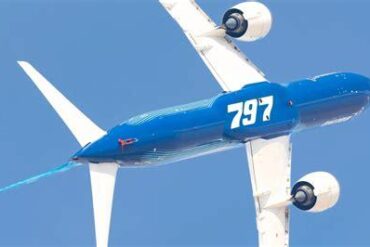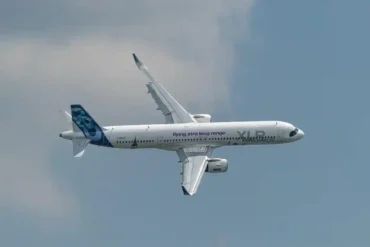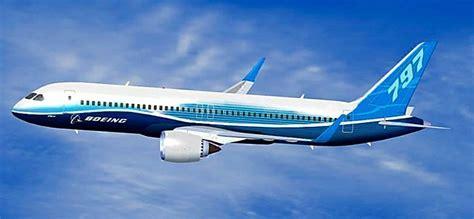
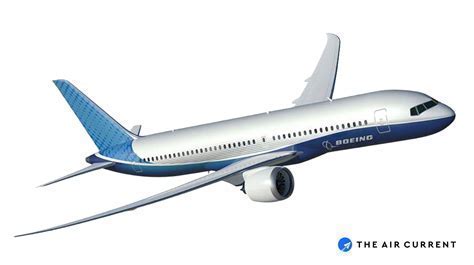
The Boeing 797, long speculated and highly anticipated, represents a crucial strategic pivot for Boeing’s commercial aircraft division. Designed to bridge the growing void between the narrowbody 737 MAX and the widebody 787 Dreamliner, the 797 is more than just a successor to the retired 757—it is Boeing’s bid to reclaim dominance in a fiercely contested mid-market segment, currently monopolized by Airbus’s A321XLR.
Born from years of internal studies and external pressures, the 797 project—often referred to by insiders as the “New Midsize Airplane” (NMA)—is poised to become the next chapter in Boeing’s storied history. From early market analyses in 2015 to more recent declarations about its manufacturing base in Washington, the path toward production has been turbulent, marked by economic downturns, engineering setbacks, and competitive disruption.
The Market Gap Left by the Boeing 757
The Boeing 757 was revered by pilots and airline executives alike for its unique combination of range and performance, but production ceased in 2004. Since then, the absence of a true mid-market aircraft has been palpable. The 737 MAX, while capable, lacks the range and comfort for transatlantic missions without significant compromise, while the 787 Dreamliner is often overkill for routes that don’t demand widebody capacity.
With passenger demand and airline route planning increasingly focused on thinner, long-range routes, Boeing began re-evaluating its lineup. Industry analysts estimate a need for 2,000 to 4,000 aircraft in this mid-market category over the next two decades, with Boeing’s own forecasts leaning toward the upper bound. That level of demand could justify the estimated $25 billion development cost of an all-new jet, especially if Boeing wants to fend off further encroachment from Airbus.
Conceptual Design and Passenger-Centric Innovation
While Boeing has not yet frozen the design, several core features of the 797 have emerged consistently over time. The aircraft is expected to carry 225 to 275 passengers and offer a range between 4,500 to 5,000 nautical miles, making it ideal for transatlantic routes and extended domestic missions.
The design originally considered a twin-aisle configuration, featuring a distinctive elliptical fuselage cross-section for reduced aerodynamic drag. Later iterations shifted toward a single-aisle format, optimizing fuel efficiency and reducing manufacturing complexity while still offering wider seats, larger overhead bins, and a quieter cabin.
Passenger comfort, long a critical metric in Boeing’s marketing narrative, will be front and center. Drawing on Dreamliner-style innovations, the 797 will likely feature lower cabin altitude, increased humidity, and next-gen sound dampening, making it a formidable competitor on routes typically plagued by narrowbody fatigue.
Material Advancements and Engine Technology
In line with Boeing’s broader shift toward advanced manufacturing, the 797 will employ composite materials in both the fuselage and wings. This not only reduces weight but also lowers maintenance costs and corrosion risk over the aircraft’s lifespan. Such material innovation is projected to slash trip costs by nearly 40% compared to the 767 it seeks to replace.
The jet is expected to be powered by 50,000 lbf-class turbofan engines, with GE Aviation, CFM International, and Pratt & Whitney all reportedly in contention. Boeing has signaled that the final go-ahead will depend on the maturity of next-generation propulsion technologies, a decision heavily influenced by the failures and public backlash surrounding the 737 MAX debacle.
Competitive Pressure from Airbus and the A321XLR
Boeing’s hesitancy has not gone unnoticed. Since Airbus launched the A321XLR in 2019, it has gained substantial traction, especially among North American and European carriers. With a comparable range and greater time-to-market advantage, the A321XLR has effectively colonized the mid-market niche Boeing helped create but failed to hold.
Notably, Icelandair, historically a Boeing customer, has opted to replace its aging 757 fleet with A321XLRs. This defection is emblematic of a broader trend: airlines are no longer waiting for Boeing’s next move. If the 797 continues to lag, the market window may close entirely, risking the loss of billions in potential revenue and a permanent erosion of Boeing’s customer base.
Timeline and Production Challenges
The development journey of the Boeing 797 can be charted as a story of ambition colliding with reality:
- 2015: Boeing acknowledges the mid-market gap and begins early feasibility studies.
- 2017: Strong interest from major airlines gives the project commercial momentum.
- 2020: COVID-19 and internal crises force Boeing to shelve development.
- 2021: Project resurrected, with emphasis on single-aisle architecture.
- 2024: Boeing signals manufacturing will be based in Washington state, hinting at re-commitment.
- 2030s: Projected entry into service, contingent on engine development and market readiness.
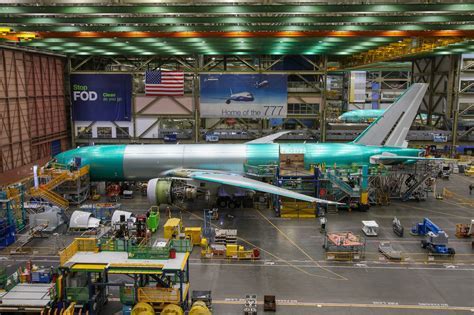
A combination of internal restructuring, MAX grounding aftereffects, and global supply chain issues has significantly delayed development. Moreover, the staggering cost and risk associated with a clean-sheet design mean Boeing is treading carefully. It is clear the company wants to avoid the mistakes of the past decade, where rushed certification processes and management dysfunction led to tragedy and reputational damage.
Strategic Implications and Long-Term Vision
From a strategic lens, the Boeing 797 is not just an aircraft—it is a litmus test for Boeing’s ability to innovate and compete post-crisis. With rival Airbus solidifying its foothold across multiple segments, Boeing cannot afford another half-measure. The launch of the 797 would signal to markets, regulators, and customers that Boeing is capable of safely delivering transformative aircraft at scale again.
But the jet’s success will depend on more than engineering brilliance. Airline partnerships, fleet strategies, and fuel price trajectories will all influence demand. A failure to time the launch correctly could result in another expensive misfire, while a well-executed rollout could restore Boeing’s competitive edge for a generation.
Conclusion: Will the Boeing 797 Take Flight?
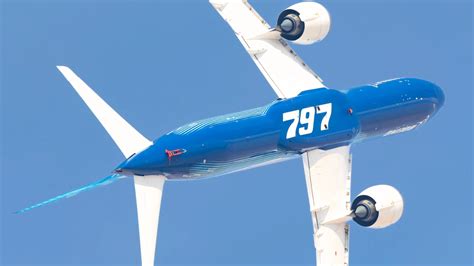
The Boeing 797, though yet unbuilt, casts a long shadow across the aviation industry. It embodies decisions deferred, opportunities weighed, and competition endured. If Boeing can align its design, certification, and manufacturing pipelines, the 797 could be the most consequential commercial jet of the next decade.
With the capacity to replace aging 757s and 767s, compete head-to-head with the A321XLR, and offer unprecedented passenger comfort in its class, the 797 stands as a bold vision of what mid-market travel could become. For now, the industry watches and waits, engines idling, for Boeing’s final decision.