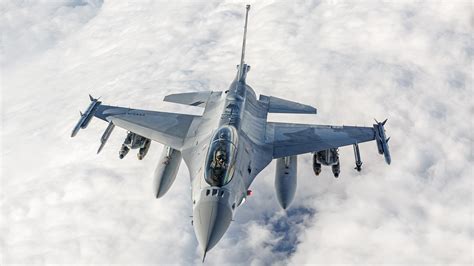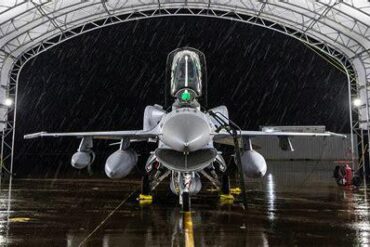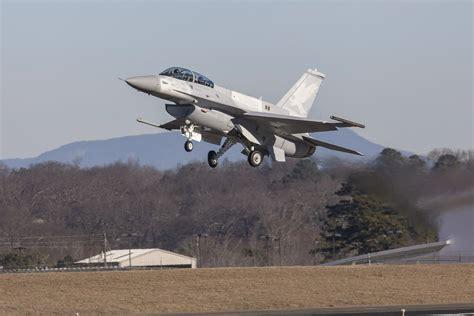
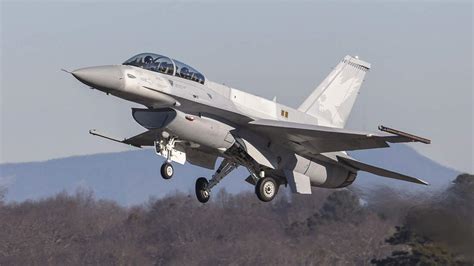
Taiwan’s long-awaited air power modernization program reached a visible milestone when the first newly built F-16 Block 70 destined for the Republic of China Air Force was spotted flying over Texas during pre-delivery testing. The appearance of the aircraft marked a significant step in an acquisition process that has faced years of delays caused by software complications, supply chain disruptions, and the global pandemic. Tail number 6831, a two-seat version of the advanced fighter, was seen undergoing evaluation flights before eventually making its journey across the Pacific.
The aircraft forms part of Taiwan’s massive $8.2 billion procurement agreement for 66 F-16 Block 70 fighters approved in 2019. The deal represents one of the largest upgrades undertaken by Taiwan’s military in decades and reflects increasing efforts to strengthen the island’s defensive capabilities amid rising tensions across the Taiwan Strait. The arrival of the first aircraft indicates that production is finally entering a phase where deliveries are beginning to materialize.
Although the sight of a Taiwanese fighter over Texas attracted considerable attention, such activity is entirely normal. Every combat aircraft manufactured for foreign operators undergoes extensive flight trials and quality verification before acceptance by the customer. These tests ensure that systems, engines, avionics, and mission equipment meet required standards before the aircraft officially joins operational service.
Lockheed Martin’s South Carolina Production Line Continues F-16 Legacy
The newest generation of the Fighting Falcon is assembled by Lockheed Martin at its sprawling Greenville, South Carolina facility. Since 2017, the site has served as the global production center for the iconic aircraft. Covering approximately 275 acres and featuring numerous hangars and support buildings, the facility manufactures F-16 variants for multiple international customers.
First entering service during the late 1970s, the F-16 rapidly evolved into one of the world’s most successful fighter aircraft. More than 3,100 examples remain in active service with over 29 nations. The aircraft’s adaptability and continuous upgrades have allowed the platform to remain relevant despite the arrival of newer fifth-generation fighters.
Foreign military aircraft flying in American airspace before delivery has a long historical precedent. During World War II, thousands of aircraft destined for Soviet forces passed through North America under the Lend-Lease program. Modern export aircraft follow a similarly rigorous process involving engineering evaluations, acceptance flights, and pilot assessments before transfer to their respective operators.
Advanced Features Make The F-16 Block 70 A Major Upgrade
Taiwan’s F-16 Block 70 fighters incorporate numerous improvements that distinguish them from earlier variants. Power comes from the General Electric F110-GE-129 engine, which delivers increased thrust and enhanced reliability. Additional conformal fuel tanks mounted along the fuselage provide improved endurance and operational range without sacrificing weapons-carrying capability.
The aircraft also benefits from extensive upgrades in avionics and mission systems. Enhanced electronic warfare capabilities increase survivability, while modernized cockpit displays provide improved situational awareness for pilots. Decades of development have been incorporated into a single package, creating what many pilots regard as the most advanced version of the legendary Viper.
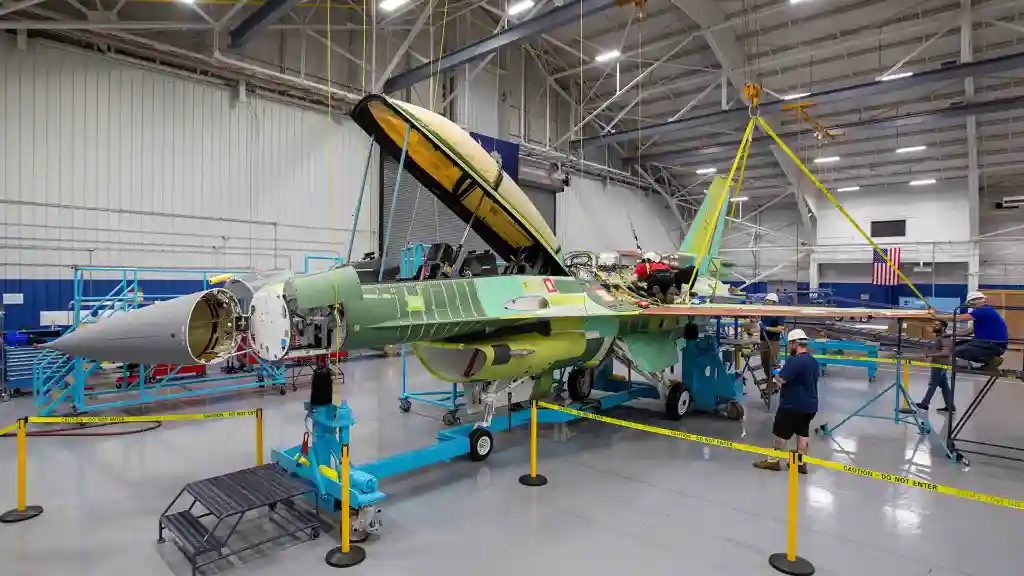
These improvements extend beyond performance alone. Structural enhancements provide a significantly longer service life, ensuring the aircraft remains operational for decades. The Block 70 configuration represents the culmination of over fifty years of continuous refinement and operational experience gathered from countless F-16 operators worldwide.
Taiwan’s Seventh Tactical Fighter Wing Will Receive The New Jets
Taiwan expects the first deliveries during the third quarter of 2026. Once transferred, the aircraft will join the Republic of China Air Force’s 7th Tactical Fighter Wing stationed at Chihhang Air Base in Taitung County. They will complement existing fighter fleets while replacing aging aircraft that have served for decades.
Although the Block 70 remains a fourth-generation platform rather than a stealth fighter, its sophisticated sensors, improved survivability, and upgraded systems ensure it remains a formidable combat asset. For Taiwan, these aircraft represent more than new hardware. They symbolize a sustained commitment to maintaining a credible defensive capability and ensuring that one of aviation’s most successful fighter designs continues serving well into the future.