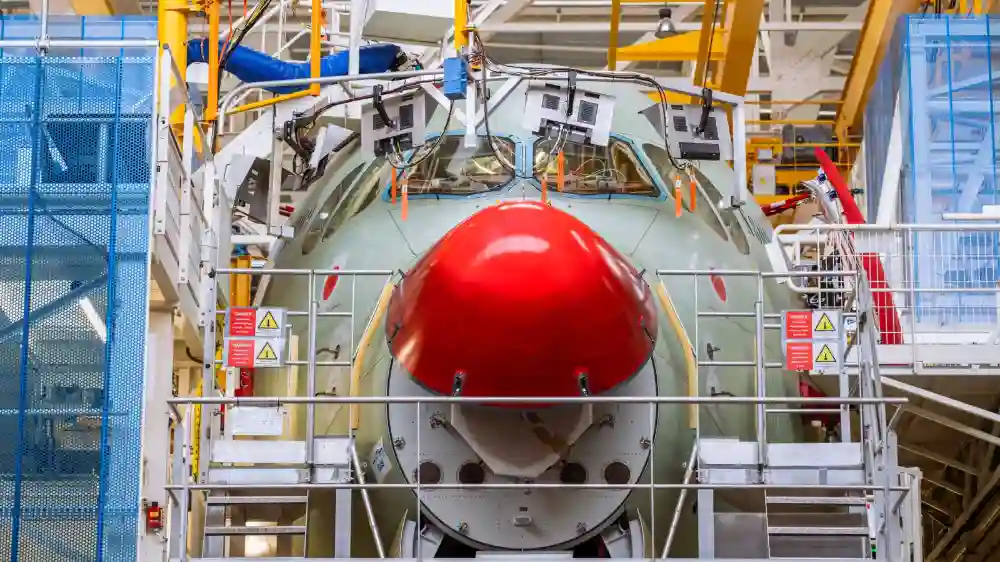
KLM Royal Dutch Airlines has reached a major milestone in its ambitious fleet renewal program as its first Airbus A350-900 moves into final assembly in Toulouse, France. The aircraft, designated MSN809, marks the beginning of a new generation of long-haul aircraft for the Dutch flag carrier and is expected to enter service in Summer 2026.
This development represents more than the arrival of a single aircraft. It signals the next phase in a €7 billion transformation plan aimed at modernizing KLM’s widebody fleet and improving efficiency across its global network. As older aircraft such as the Airbus A330 and Boeing 777-200ER gradually retire, the Airbus A350 will emerge as one of the airline’s most important long-haul platforms.
For passengers, the arrival of the A350 promises a significantly upgraded travel experience. The aircraft’s “Xtra Wide Body” design offers improved cabin comfort, reduced noise, advanced entertainment systems, and modern connectivity features. For KLM, it brings improved fuel efficiency and operational flexibility in an era of rising fuel costs and tighter environmental regulations.
Final Assembly Begins for KLM’s First Airbus A350
The Airbus A350 program follows a highly coordinated manufacturing process that spans multiple European facilities. Before arriving at Airbus’ final assembly line in Toulouse, MSN809 had already completed major structural milestones, including the installation of its carbon-fiber composite wings and landing gear.
Final assembly is where the aircraft begins to resemble the finished product passengers will eventually board. Engineers will install the flight deck systems, cabin interiors, avionics, and complex wiring networks that power the aircraft’s sophisticated operations. The aircraft will also undergo extensive systems testing before moving to the paint shop.
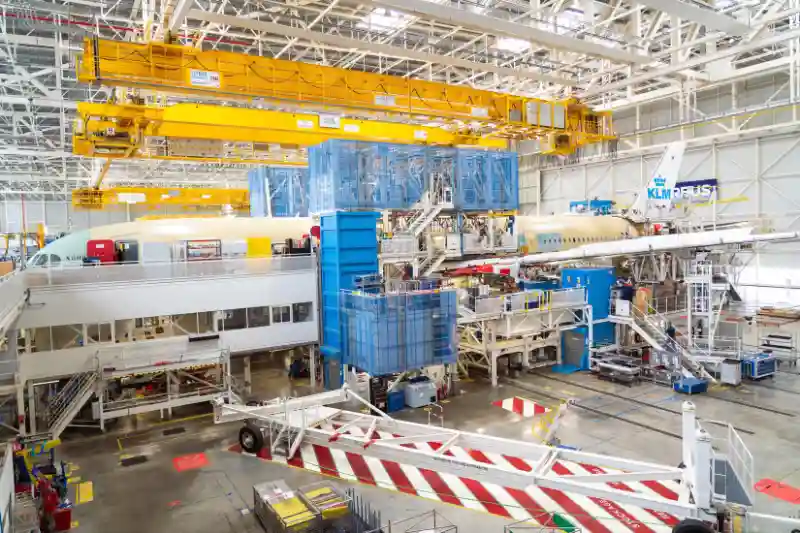
Once structural work and cabin installation are completed, the aircraft will receive KLM’s signature blue livery, a globally recognizable design that has represented the airline for decades. After painting, the aircraft will move through ground testing and flight certification before being delivered to KLM later in 2026.
MSN809 will not be alone for long. KLM expects at least three Airbus A350 aircraft deliveries during the same year, marking the beginning of a gradual but decisive transition toward newer, more efficient aircraft.
A Massive Fleet Renewal Strategy
KLM’s adoption of the Airbus A350 is part of one of the airline’s largest modernization efforts in its history. The carrier currently operates a diverse mix of aircraft across long-haul, medium-haul, and regional routes. Many of these jets, including some widebody aircraft, are approaching the later stages of their operational life cycles.
The modernization plan includes several major aircraft acquisitions:
- 22 Airbus A350-900 aircraft ordered by KLM
- Potential additional units through Air France-KLM group options
- 28 Boeing 787 Dreamliners already introduced into service
- New Airbus A321neo aircraft for short and medium-haul routes
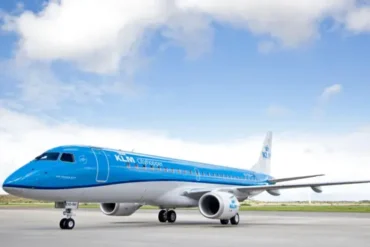
- Continued expansion of Embraer E195-E2 regional jets
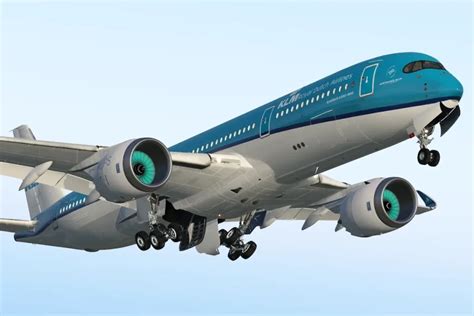
When combined with orders from Air France, the Air France-KLM group could eventually operate one of the largest Airbus A350 fleets in the world. This scale allows the airline group to streamline maintenance procedures, reduce operating costs, and improve route flexibility.
KLM is also preparing to introduce the Airbus A350F freighter, which will replace aging Boeing 747 cargo aircraft that have long served the airline’s cargo operations.
Bas Brouns, Chief Financial Officer of KLM, emphasized the scope of the transformation, explaining that the airline is undergoing a complete fleet evolution across every segment of its operations.
Why the Airbus A350 Is a Game Changer
The Airbus A350 has become one of the most technologically advanced commercial aircraft currently flying. Built using advanced carbon composite materials, the aircraft is lighter, stronger, and significantly more efficient than many earlier widebody designs.
For airlines, these innovations translate into measurable operational advantages. Compared with the Boeing 777-200ER, which the A350 will replace on many routes, the aircraft delivers:
- 25% lower fuel consumption
- 40% smaller noise footprint
- Reduced maintenance requirements
- Improved environmental performance
These improvements help airlines comply with increasingly strict airport noise regulations and reduce the financial pressure caused by fluctuating jet fuel prices. Efficiency gains also support global aviation’s broader push toward lower carbon emissions.
The aircraft also introduces benefits that passengers notice immediately. The A350’s fuselage design allows higher cabin humidity and lower pressurization levels, helping reduce fatigue during long flights. Large windows, quiet engines, and wider cabin walls further improve comfort.
Inside KLM’s New A350 Passenger Experience
KLM has designed the interior of its Airbus A350 with a strong emphasis on premium travel experiences. The aircraft will feature a 331-seat configuration divided into four cabin classes, ensuring flexibility for both premium and economy travelers.
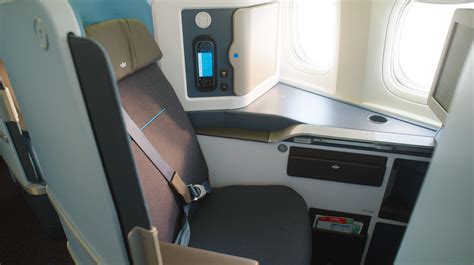
The Business Class cabin will include 34 seats arranged in a 1-2-1 layout, ensuring every passenger has direct aisle access. Each suite will feature a sliding privacy door and a fully flat bed extending nearly 6.5 feet, transforming the seat into a comfortable sleeping space for long-haul flights.
Behind the business cabin sits Premium Comfort Class, a section with 26 seats arranged in a 2-4-2 configuration. These seats offer additional legroom, deeper recline, and enhanced meal service designed to bridge the gap between business and economy travel.
The Economy Comfort section, located at the front of the main cabin, will provide 33 seats with four extra inches of legroom and double the recline of standard economy seating.
Standard Economy Class will maintain a 3-3-3 layout, maximizing efficiency while still benefiting from the A350’s wider cabin structure.
Every seat across the aircraft will feature:
- 4K UHD seatback entertainment screens
- USB-C charging ports
- High-speed onboard Wi-Fi
- Advanced electronic window dimming
These upgrades reflect KLM’s goal of delivering a digitally connected, comfortable, and modern travel environment for passengers on long-haul flights.
Preparing Pilots and Operations for the A350 Era
Introducing a new aircraft type requires extensive preparation across multiple areas of airline operations. KLM has already begun training crews using a dedicated Airbus A350-900 flight simulator installed in the Netherlands in October 2025.
This simulator allows pilots to master the aircraft’s fly-by-wire controls, cockpit systems, and automated flight management technologies long before the first aircraft enters service.
The airline is also preparing maintenance teams, updating airport infrastructure, and adjusting operational procedures to accommodate the A350’s unique requirements.
A New Chapter for KLM’s Long-Haul Network
When the first Airbus A350 enters service, it will initially replace an Airbus A330 currently operating routes between Toronto Pearson International Airport and Dar es Salaam, Tanzania. This route demonstrates the aircraft’s ability to serve long intercontinental journeys while maintaining excellent efficiency.
As more aircraft join the fleet, the A350 will gradually expand across KLM’s long-haul network, linking Europe with North America, Africa, and Asia.
The arrival of MSN809 therefore represents far more than a routine aircraft delivery. It marks the beginning of a technological leap for KLM, combining efficiency, sustainability, and passenger comfort in one aircraft. With dozens more potentially joining the fleet in the coming years, the Airbus A350 is set to become a defining symbol of the airline’s future.